Birding manu road
A Complete Guide to Birding Manu Road
Manu Road follows the eastern slopes of the Andes from the highlands near Cusco toward the Amazonian foothills, crossing a remarkable diversity of habitats along the way. Puna grasslands and high-elevation scrub give way to elfin forests, lush montane cloud forests, and warmer tropical foothills, each supporting a distinctive community of birds.
For birdwatchers, the appeal extends far beyond the scenery. The route offers opportunities to search for elusive antpittas and mountain-toucans in the upper forests, follow colorful mixed-species flocks through the cloud forest, observe the remarkable courtship displays of the Andean Cock-of-the-rock, and explore the increasingly Amazonian birdlife of the lower elevations. Established observation sites also provide rewarding opportunities for bird photography.
Drawing on Manakin Expeditions’ field experience in the region, this guide explores Manu Road’s principal birding habitats, sought-after species, productive hotspots, lodges, and itinerary options. Whether you are planning your first visit or returning with specific targets in mind, it provides the information needed to explore one of Peru’s most celebrated birding routes.
Table of Contents
Why Birding Manu Road?
What makes Manu Road particularly valuable to birdwatchers is the opportunity to explore markedly different Andean and Amazonian bird communities within a single journey. Beyond its impressive species diversity, the route combines accessible roadside birding, specialized forest habitats, established observation sites, and opportunities to search for some of southeastern Peru’s most sought-after birds.
An Extraordinary Elevational Gradient
Beginning in the high Andes at elevations exceeding 3,500 meters (11,500 feet), Manu Road descends through puna grasslands, elfin forests, montane cloud forests, and the warmer forests of the Amazonian foothills.
This elevational gradient is central to the birding experience. Species composition changes considerably along the descent, with high-Andean specialists giving way to cloud forest birds and, eventually, increasingly Amazonian species. Exploring multiple elevations allows birders to encounter a much broader range of bird families and ecological specialists than they would at any single location.
Exceptional Bird Diversity and Iconic Species
The wider Manu region has recorded more than 1,000 bird species, reflecting its extraordinary range of habitats. While this total encompasses an area much larger than Manu Road itself, the road provides access to an impressive selection of its Andean and foothill birdlife.
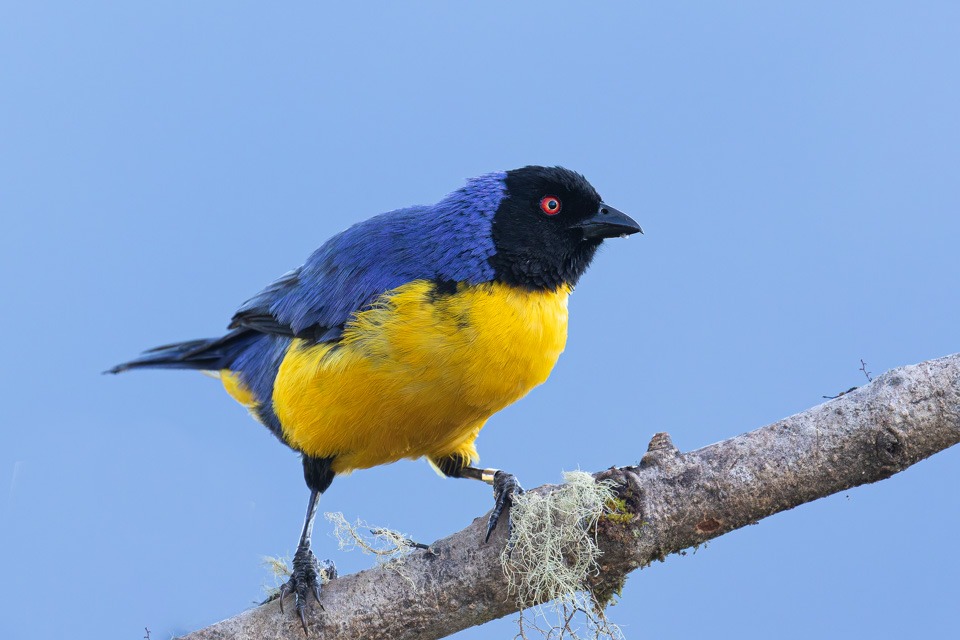
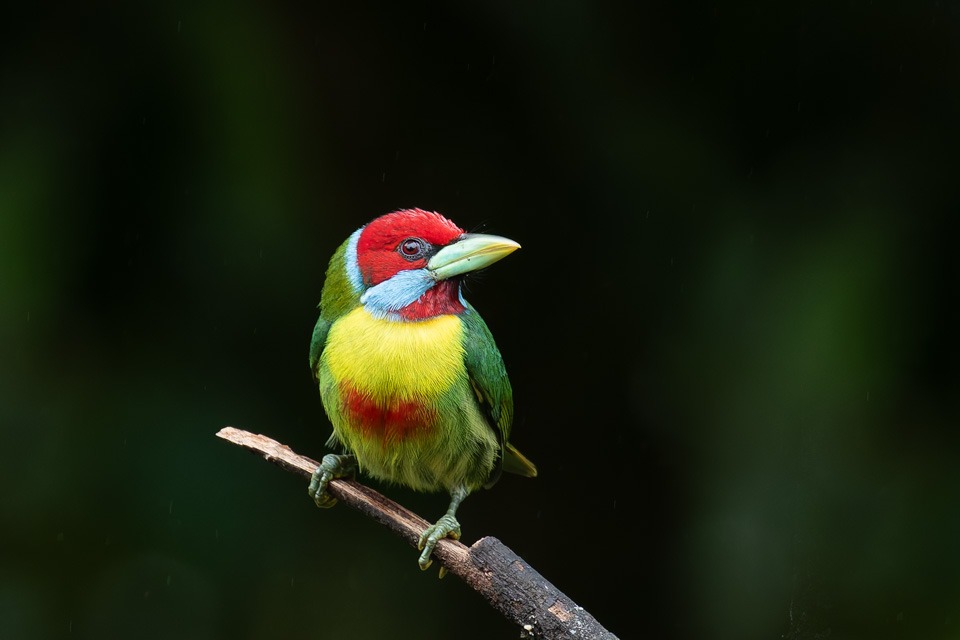
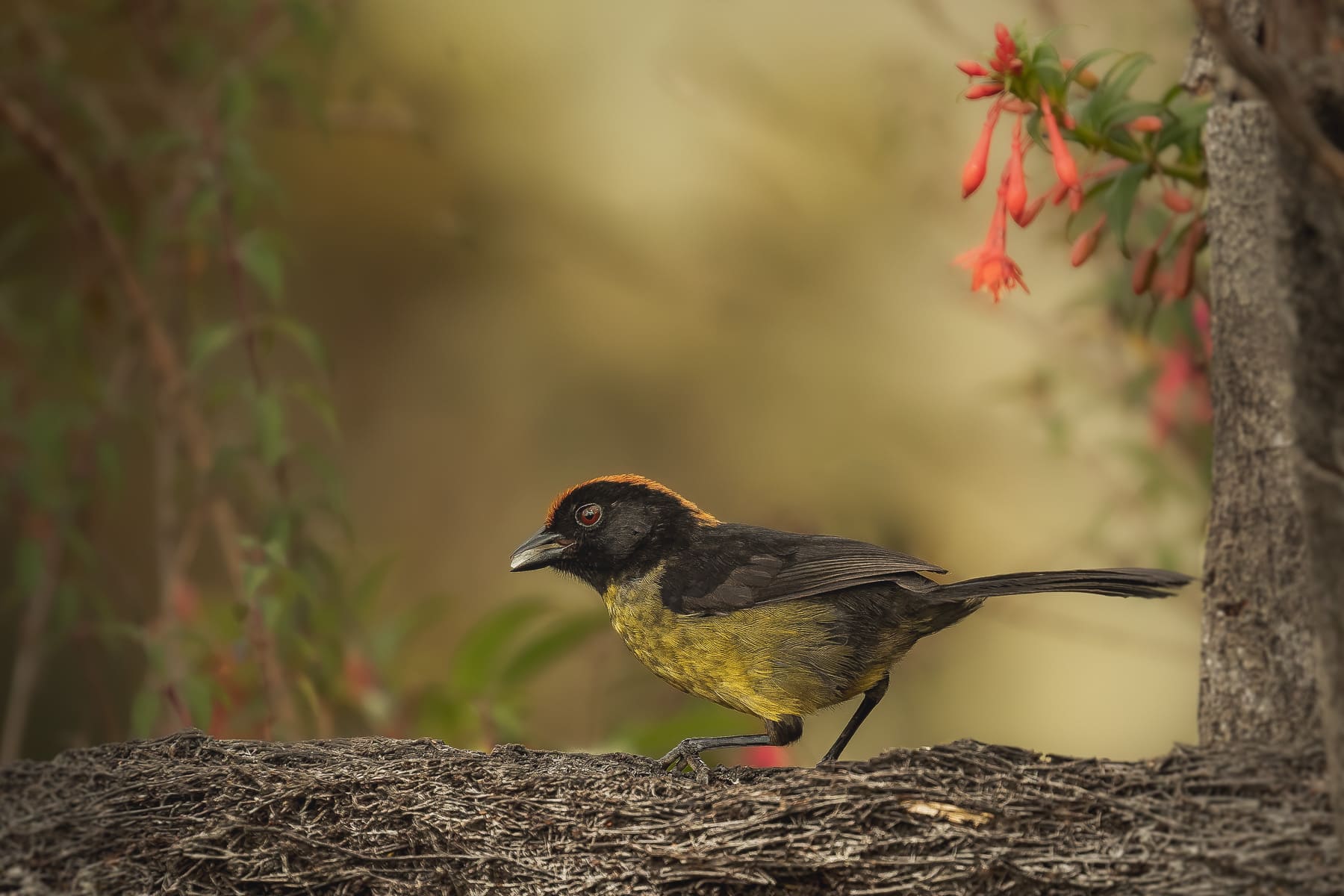
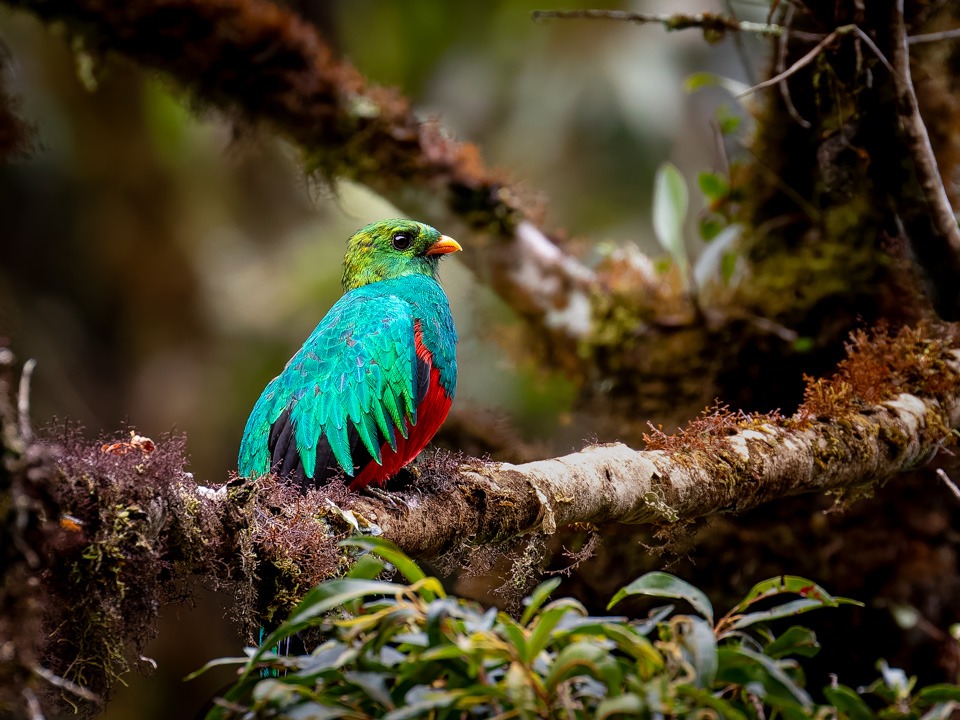
Among the most sought-after species are the Andean Cock-of-the-rock, Gray-breasted Mountain-Toucan, Golden-headed Quetzal, and Red-and-white Antpitta. Other notable targets include Black-and-chestnut Eagle, Hooded Mountain Tanager, Versicolored Barbet, and numerous specialized flycatchers, furnariids, and understory birds.
The species encountered on any particular journey depend on the elevations visited, time spent in each habitat, weather conditions, and seasonal bird activity.
Tanagers, Hummingbirds & Mixed-Species Flocks
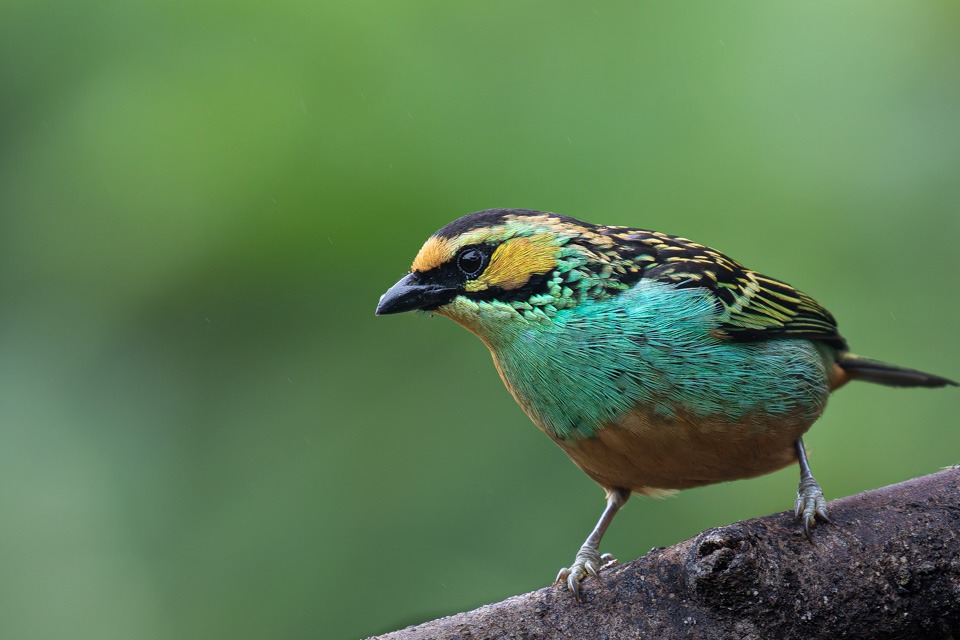
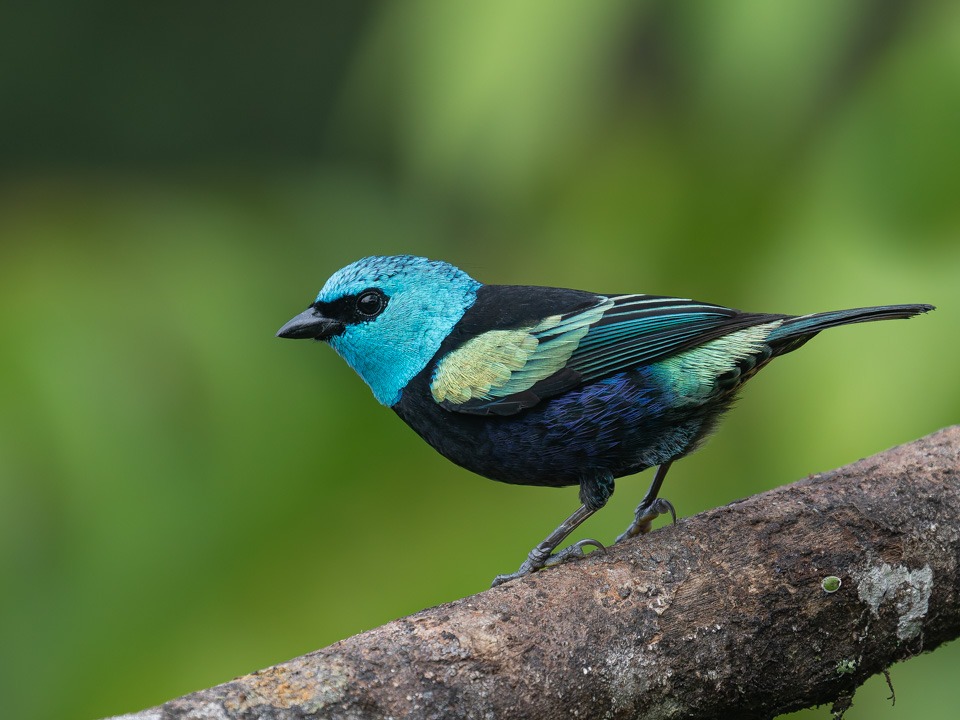
The cloud forests of Manu Road are particularly rewarding for birders who enjoy observing mixed-species flocks. Paradise, Golden, Saffron-crowned, and Flame-faced Tanagers are among the colorful species that may be encountered, often alongside foliage-gleaners, woodcreepers, flycatchers, and other forest birds.
Following these flocks can be both exciting and challenging, as birds move through different forest layers and require careful observation and identification.
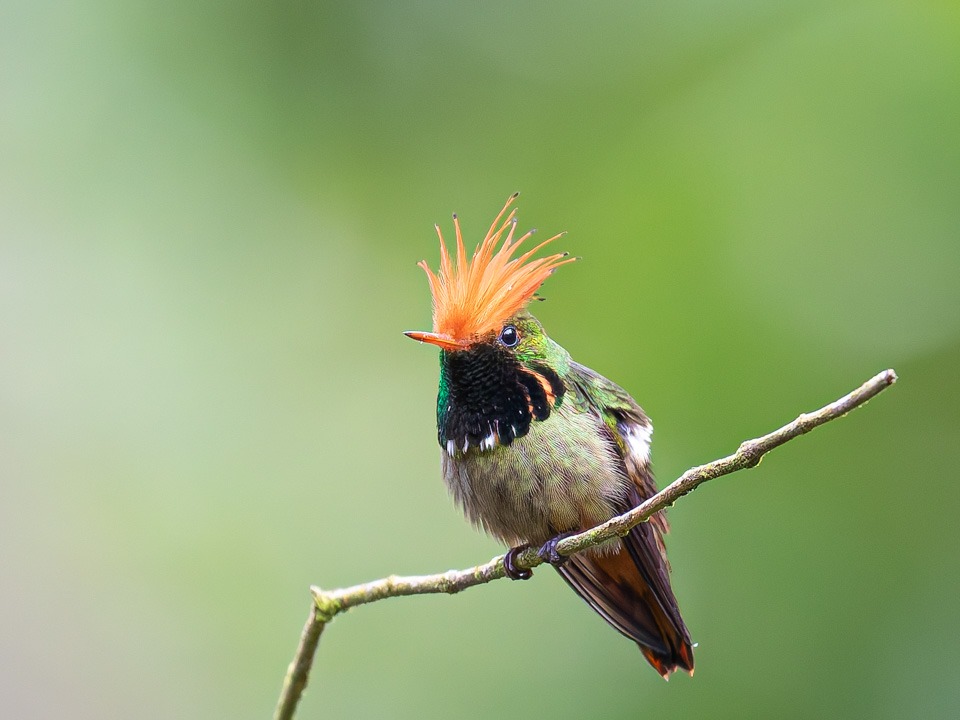
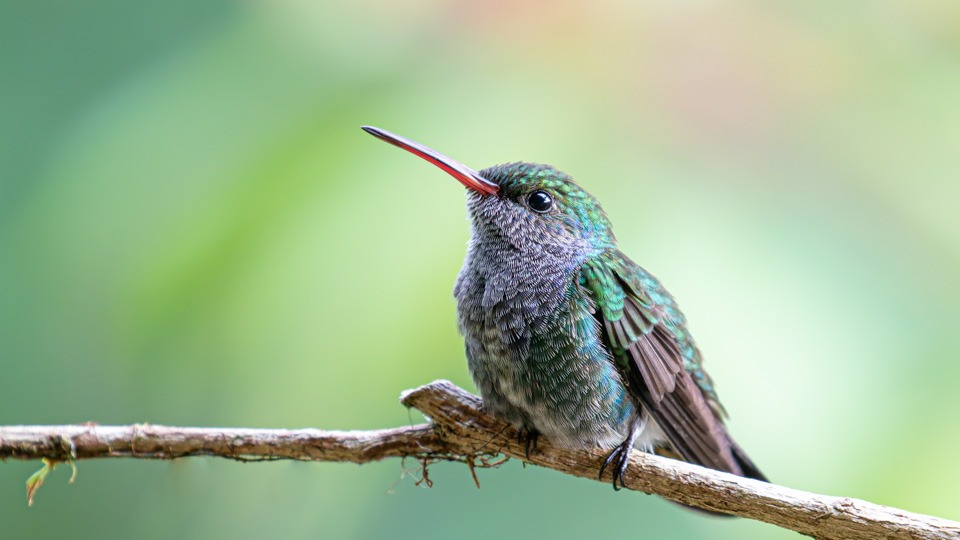
Hummingbirds provide another major attraction. Flowering vegetation, forest edges, and established feeding stations offer opportunities to study a remarkable variety of species, including the Long-tailed Sylph, Gould’s Inca, and Violet-throated Starfrontlet, depending on elevation and locality.
Bird Photography Opportunities
Manu Road offers varied opportunities for bird photography, from hummingbirds visiting flowering plants and established feeders to colorful tanagers and birds displaying at traditional sites.
The Andean Cock-of-the-rock leks are among the route’s best-known photographic attractions, offering opportunities to observe the species’ distinctive courtship behavior. Hummingbird gardens and selected feeding stations can provide additional opportunities for close observation and photography.
Forest photography can be more demanding, particularly under low light and in dense vegetation. Spending sufficient time at productive locations, rather than continually moving between sites, can make an important difference for photographers seeking particular species or behaviors.
The Experience of Birding Manu Road
Although much of Manu Road can be explored from the roadside and established trails, successful birding often requires patience, careful listening, and flexibility. Weather, elevation, forest conditions, and bird activity all influence what can be found on a given day.
The route is particularly appealing to birders interested in difficult targets, localized Andean species, and the challenge of identifying birds within active forest flocks. It also offers the opportunity to combine intensive birdwatching with a close appreciation of the landscapes and ecological transitions of the tropical Andes.
For those wishing to explore farther, journeys beyond the road-accessible foothills can continue by boat into the Amazonian lowlands of the wider Manu region, introducing additional habitats and bird communities beyond the classic Manu Road route.
Birding Habitats and Ecosystems Along Manu Road
The birding route from Cusco into Manu crosses a remarkable succession of environments, from dry inter-Andean valleys, wetlands, and high-elevation grasslands to humid montane forests and Amazonian foothills. As elevation, rainfall, and vegetation change, so do the birds that inhabit each landscape.
Understanding these habitats is essential when planning a birding itinerary. Some species occur across several elevations, while others depend on specific forest types, vegetation structures, or localized conditions. The following sections describe the principal habitats along the route, their characteristic birds, and the places where they can be explored.

01
Andean Highlands, Dry Valleys & Puna Habitats
The journey from Cusco toward Acjanaco crosses a mosaic of dry valleys, freshwater wetlands, puna grasslands, and high-Andean shrublands before reaching the humid forests of the eastern slope. These open environments support a distinctive bird community, including several Peruvian endemics and high-elevation specialists.
Although often visited at the beginning or end of a Manu Road itinerary, these habitats deserve attention in their own right. Differences in vegetation, water availability, and elevation create opportunities to observe birds that are largely absent from the cloud forests farther east.
1.1. Inter-Andean Dry Valleys & Andean Scrublands
The dry inter-Andean valleys around Huambutio, Huacarpay, and Paucartambo are characterized by rocky hillsides, scattered shrubs, seasonal vegetation, and agricultural edges. Despite their relatively open appearance, these landscapes support several localized species associated with native scrub and flowering plants.
The Bearded Mountaineer, a distinctive Peruvian endemic hummingbird, is among the main targets in areas with suitable flowering vegetation. The endemic Rusty-fronted Canastero inhabits dry scrub and is often detected first by its song. Other birds occupy rocky slopes, scattered bushes, and open country.
Birding here is particularly productive when attention is given to small patches of suitable habitat. Flowering shrubs, rocky outcrops, and remaining native vegetation can concentrate species that might otherwise be overlooked.
Key Bird Species
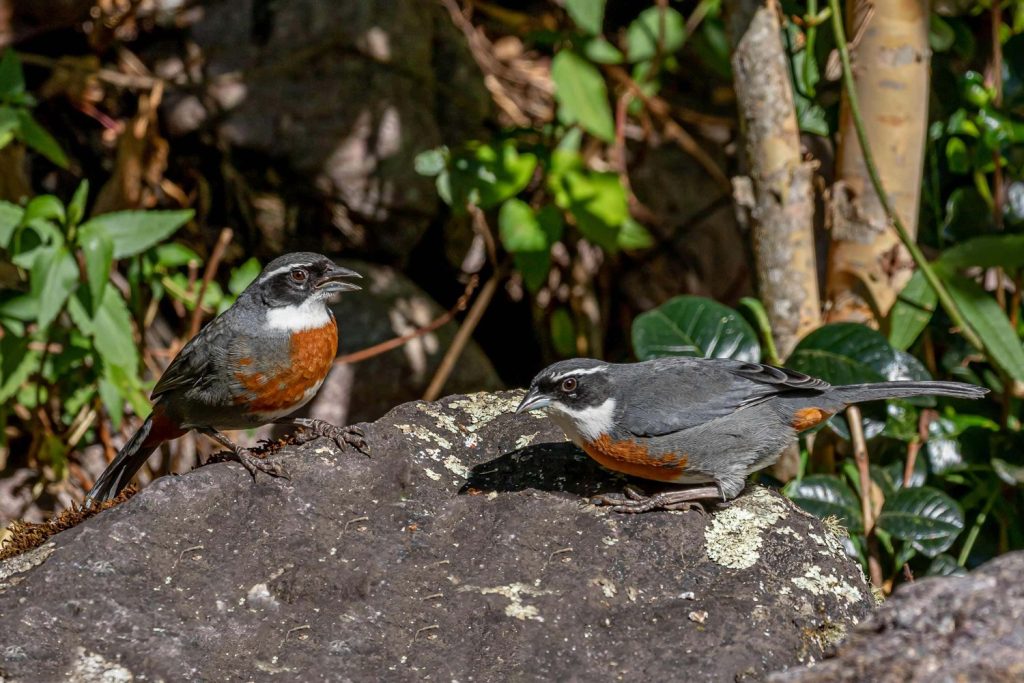
Bearded Mountaineer, Rusty-fronted Canastero, Chestnut-breasted Mountain Finch, Giant Hummingbird, Black-tailed Trainbearer, Green-tailed Trainbearer, Golden-billed Saltator, Peruvian Sierra Finch, Andean Flicker, and Streak-fronted Thornbird.
Main Birding Hotspots
Huambutio and the Surrounding Dry Valleys
Dry slopes, flowering vegetation, and rocky landscapes provide opportunities for endemic hummingbirds, canasteros, and inter-Andean scrubland birds.
Huacarpay Hillsides
Beyond the wetlands, scrubby and rocky slopes offer opportunities for Bearded Mountaineer, Rusty-fronted Canastero, and other highland specialists.
Cusco–Paucartambo Road
Agricultural margins, dry slopes, and patches of native vegetation offer additional birding stops on the way toward Manu.
1.2. High-Andean Lakes, Marshes & Reedbeds
High-Andean wetlands provide an important contrast to the surrounding dry valleys. Open water, shallow marshes, dense reedbeds, and seasonally flooded areas support waterbirds and wetland specialists that are rarely encountered in the forested sections of Manu Road.
Huacarpay Wetland, part of the Lucre–Huacarpay wetland complex southeast of Cusco, is the best-known birding locality in this habitat. Dense reeds shelter species such as the colorful Many-colored Rush Tyrant and the more secretive Wren-like Rushbird, while open water and muddy margins attract ducks, grebes, coots, rails, and other aquatic birds.
Water levels and seasonal conditions influence both bird activity and accessibility. The surrounding agricultural fields and dry slopes also provide opportunities to observe raptors, seedeaters, and additional highland species during the same visit.
Key Bird Species
Many-colored Rush Tyrant, Wren-like Rushbird, Plumbeous Rail, Slate-colored Coot, Andean Duck, Puna Teal, Yellow-billed Pintail, Yellow-billed Teal, White-tufted Grebe, Andean Negrito, Yellow-winged Blackbird, and Cinereous Harrier.
Main Birding Hotspots
Huacarpay Wetland
A traditional first stop on Manu Road itineraries, valuable for reedbed specialists, waterfowl, wetland birds, and surrounding highland species.
Lucre–Huacarpay Wetland Complex
Additional lagoons, channels, and marshy areas complement birding at the main lake.
Seasonal Highland Pools and Marshes
Smaller and seasonally flooded wetlands can add aquatic species when rainfall and water levels are favorable.
1.3. Puna Grasslands & High-Andean Shrublands
Beyond Paucartambo, the road climbs through increasingly exposed high-Andean landscapes toward Acjanaco Pass. Native bunchgrasses, low shrubs, rocky slopes, and dense vegetation near the treeline create a range of habitats shaped by cold temperatures, strong winds, and marked daily temperature changes.
These environments support specialized birds adapted to open country and dense high-elevation vegetation. The Puna Tapaculo is often detected by its distinctive vocalizations, while the Peruvian endemic Creamy-crested Spinetail favors suitable scrub. Puna Thistletail, highland finches, and several open-country birds may also be encountered.
Around Acjanaco, the transition from puna to humid montane vegetation is especially important. Bird communities change over relatively short distances, making careful observation of vegetation and elevation particularly useful when searching for specific targets.
Key Bird Species
Puna Tapaculo, Creamy-crested Spinetail, Puna Thistletail, Andean Flicker, Mountain Caracara, Peruvian Sierra Finch, Chestnut-breasted Mountain Finch, Andean Tinamou, Puna Pipit, Great Sapphirewing, and Brown-backed Chat-Tyrant.
Main Birding Hotspots
Acjanaco Pass
A major high-elevation birding stop with open puna, montane scrub, and nearby treeline habitat.
Paucartambo–Acjanaco Highlands
Grasslands, rocky slopes, and shrublands support a changing assemblage of high-Andean birds.
Upper Grasslands Near the Treeline
Dense shrubs and grasses can be productive for tapaculos, spinetails, thistletails, and other specialized birds.
1.4. High-Andean Woodlands & Polylepis Forest Patches
Scattered native woodlands add another dimension to birding in the high Andes. In parts of the wider Cusco region, these include Polylepis forests, locally known as queñuales, whose twisted trunks, peeling bark, and dense branches provide specialized feeding and nesting habitats.
Birds associated with these woodlands often differ considerably from those of the surrounding puna grasslands. The Giant Conebill, for example, is closely linked to Polylepis trees, where it searches bark and branches for food. Other high-Andean woodland species depend on the availability, condition, and extent of native tree cover.
Extensive Polylepis forest is not a regular feature of the classic Manu Road itinerary. Birders interested in these specialists should consider an additional excursion to suitable woodlands elsewhere in the Cusco highlands.
Key Bird Species
Giant Conebill, Andean Tit-Spinetail, White-browed Conebill, Tit-like Dacnis, and other high-Andean woodland specialists, depending on locality and vegetation condition.
Main Birding Hotspots
High-Andean Woodland Fragments in the Cusco Region
Remaining native woodland patches provide opportunities for species absent from surrounding grasslands.
Specialized Polylepis Forest Excursions
Optional excursions to established stands elsewhere in the Cusco highlands can complement a Manu Road itinerary for target-oriented birders.
02
Montane Forests & Cloud Forest Ecosystems
Beyond Acjanaco, Manu Road descends through a succession of humid montane forests that form the core of the route’s birding experience. Persistent cloud cover, high rainfall, moss-covered trees, and abundant epiphytes characterize much of this landscape, although forest structure changes considerably with elevation.
From the stunted vegetation near the treeline to the taller forests around Wayqecha, Pillahuata, Rocotal, and San Pedro, each elevational zone supports a different combination of birds. Understanding these distinctions is particularly important for finding localized species, following mixed-species flocks, and identifying productive birding locations.
2.1. Treeline Habitats & Elfin Forest
Near Acjanaco and the upper reaches of Wayqecha, open puna gives way to dense shrubs, montane bamboo, and patches of elfin forest. Persistent moisture, wind exposure, and cool temperatures produce low, twisted trees heavily covered with mosses, lichens, and other epiphytes.
These forests form a complex mosaic rather than a continuous belt of vegetation. Dense understory and Chusquea bamboo provide habitat for secretive birds, while forest edges and flowering plants attract hummingbirds, mountain tanagers, and other high-elevation species.
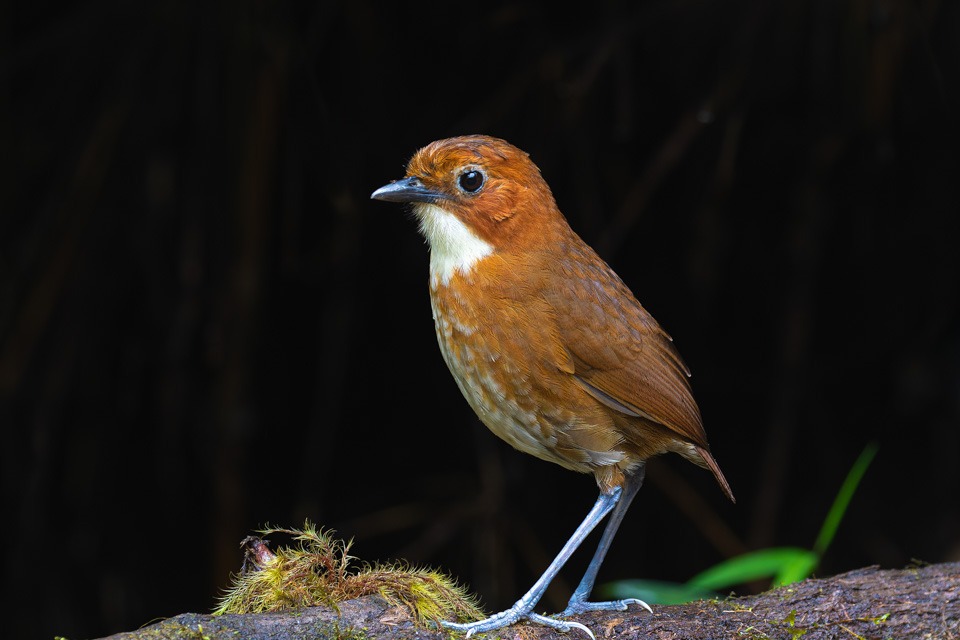
The Gray-breasted Mountain-Toucan is one of the most conspicuous targets, whereas species such as the Red-and-white Antpitta and Urubamba Antpitta require more patient searching. Vocalizations are especially useful for detecting birds within the dense vegetation.
Key Bird Species
Gray-breasted Mountain-Toucan, Red-and-white Antpitta, Urubamba Antpitta, Marcapata Spinetail, Puna Thistletail, Amethyst-throated Sunangel, Rufous-capped Thornbill, Hooded Mountain Tanager, Scarlet-bellied Mountain Tanager, and Golden-collared Tanager.
Main Birding Hotspots
Acjanaco Pass and Upper Forest Boundary
The open puna–forest transition supports highland specialists and birds of dense montane scrub.
Esperanza — Upper Montane and Elfin Forest
Mossy forest, bamboo patches, and dense understory create habitat for antpittas, mountain-toucans, and localized furnariids.
Upper Wayqecha Biological Station
Higher trails and forest edges provide access to a mosaic of treeline vegetation, elfin forest, and upper cloud forest.
2.2. Upper Montane Cloud Forest
Below the treeline, the upper montane cloud forest develops a taller and more complex canopy. Moss-covered trunks, bromeliads, orchids, tree ferns, and dense understory vegetation characterize much of the forest around Wayqecha Biological Station and Pillahuata.
This elevational zone is particularly important for localized Andean birds. The Inca Flycatcher, Red-and-white Antpitta, and several specialized furnariids occur in suitable forest, while montane bamboo provides additional habitat for understory species.
Mixed-species flocks are a major attraction, often bringing together mountain tanagers, flycatchers, foliage-gleaners, and other insectivorous birds. Careful listening and slow observation are essential, particularly when birds remain concealed within dense vegetation or move rapidly through the canopy.
Key Bird Species
Red-and-white Antpitta, Urubamba Antpitta, Gray-breasted Mountain-Toucan, Inca Flycatcher, Marcapata Spinetail, Inca Wren, Golden-collared Tanager, Scarlet-bellied Mountain Tanager, Hooded Mountain Tanager, Masked Fruiteater, Band-tailed Fruiteater, and Amethyst-throated Sunangel.
Main Birding Hotspots
Wayqecha Biological Station
Trails, observation facilities, and forest edges provide opportunities for antpittas, montane tanagers, and high-elevation mixed flocks.
Pillahuata Cloud Forest
Roadside and forest-edge birding at several elevations can yield upper montane species and secretive understory birds.
Wayqecha–Pillahuata Roadside Forest
Slow birding through changing forest structure can reveal quetzals, flycatchers, tanagers, and specialized insectivores.
2.3. Mid-Elevation Cloud Forest
As the road descends toward Rocotal and San Pedro, the forest becomes taller, warmer, and increasingly diverse. Large canopy trees, epiphytes, fruiting vegetation, and a well-developed understory provide habitat for an impressive range of cloud forest birds.
This is one of the best-known sections of Manu Road, particularly for the Andean Cock-of-the-rock. Traditional leks around San Pedro offer opportunities to observe males performing their elaborate courtship displays. Mature forest and fruiting trees also support Golden-headed Quetzal, Crested Quetzal, toucanets, and barbets.
Mixed-species flocks are especially rewarding at these elevations. Tanagers, woodcreepers, foliage-gleaners, and flycatchers move through different forest layers, often requiring birders to follow a flock carefully to identify its members. Flowering plants and established hummingbird feeders provide additional observation and photography opportunities.
Key Bird Species
Andean Cock-of-the-rock, Golden-headed Quetzal, Crested Quetzal, Blue-banded Toucanet, Versicolored Barbet, Paradise Tanager, Golden Tanager, Yellow-throated Tanager, Orange-eared Tanager, Saffron-crowned Tanager, Black-and-chestnut Eagle, Rufous-booted Racket-tail, Violet-fronted Brilliant, and Many-spotted Hummingbird.
Main Birding Hotspots
Rocotal Cloud Forest
Productive roadside cloud forest for mixed flocks, tanagers, flycatchers, and montane specialists.
San Pedro and the Andean Cock-of-the-rock Lek
Traditional display areas and surrounding forest provide opportunities for cock-of-the-rock, quetzals, toucanets, and forest flocks.
Cock-of-the-Rock Lodge
Trails, hummingbird feeders, and nearby forest provide excellent birding and bird-photography opportunities.
Cloud Forest Above and Below San Pedro
Changing elevations and forest structure support different mixed flocks and species with narrow elevational preferences.
2.4. Lower Montane Forest
Below San Pedro, the forest gradually takes on a more tropical character. Warmer temperatures, taller vegetation, palms, vines, and large-leaved understory plants become increasingly prominent along the descent toward Chontachaca, Patria, and the upper Pilcopata Valley.
The transition is gradual, and many species overlap with those of the cloud forest above and the foothills below. Nevertheless, this zone supports several particularly interesting targets, including the Peruvian endemic Cerulean-capped Manakin and Peruvian Piedtail. The Amazonian Umbrellabird is another notable possibility in suitable forest, although encounters are unpredictable.
Lower montane birding is especially valuable for exploring these changes in species composition. Careful attention to elevation, forest structure, and fruiting vegetation can reveal birds that are uncommon or absent farther upslope.
Key Bird Species
Cerulean-capped Manakin, Peruvian Piedtail, Amazonian Umbrellabird, Black-backed Tody-Flycatcher, Lanceolated Monklet, Versicolored Barbet, Andean Cock-of-the-rock, Green Hermit, Many-spotted Hummingbird, Golden-headed Quetzal, and lower montane forest tanagers and insectivores.
Main Birding Hotspots
Lower San Pedro Forests
Descending forested slopes provide opportunities for lower montane manakins, hummingbirds, and other transitional birds.
Chontachaca and the Lower Cloud Forest Transition
A useful zone for observing changes from cloud forest to warmer premontane vegetation.
Manu Endemic Station and Surrounding Forest
A hummingbird and forest observation area in the lower montane–foothill transition, especially relevant for endemic targets.
Patria and the Upper Pilcopata Valley
Forest patches and warmer vegetation introduce increasingly Amazonian birds on the approach to the lower valley.
03
Amazonian Foothills & Specialized Forest Habitats
The lower Manu Road reaches the humid Amazonian foothills around Pilcopata, Manu Biological Station, and Atalaya. Here, warmer temperatures and increasingly tropical vegetation support birds characteristic of the southwestern Amazon, alongside species associated with the lower slopes of the Andes.
Two habitats are especially important for birders: premontane forest and Guadua bamboo. Although they frequently occur close together, their bird communities differ substantially, making both valuable components of a comprehensive foothill itinerary.
3.1. Amazonian Foothill & Premontane Forest
Premontane forests at the base of the eastern Andes contain tall tropical trees, palms, vines, and a dense understory. Their structure provides habitat for birds occupying different forest layers, from canopy-dwelling fruit-eaters to secretive insectivores near the ground.
Manu Biological Station, formerly Villa Carmen, offers access to a varied landscape of forest, bamboo, streams, and secondary vegetation. This diversity creates opportunities to search for tropical manakins, woodpeckers, toucans, antbirds, and numerous other forest species.
Localized targets include Black-backed Tody-Flycatcher and Fine-barred Piculet, while Scarlet-hooded Barbet and Blue-headed Macaw are notable possibilities in suitable habitats. Flowering gardens and forest edges also attract a diverse hummingbird community. Large forest birds such as curassows and guans may occur, but encounters are often unpredictable and depend on habitat quality and disturbance.
Key Bird Species
Black-backed Tody-Flycatcher, Fine-barred Piculet, Scarlet-hooded Barbet, Blue-headed Macaw, Razor-billed Curassow, Blue-throated Piping-Guan, Spix’s Guan, Chestnut-eared Aracari, Black-fronted Nunbird, Rufous-crested Coquette, Gould’s Jewelfront, Fiery-capped Manakin, Blue-crowned Manakin, Amazonian Umbrellabird, and tropical forest antbirds.
Main Birding Hotspots
Manu Biological Station / Manu Biolodge — Formerly Villa Carmen
An important base with extensive trails and several forest types for endemics, antbirds, hummingbirds, and tropical forest species.
Pilcopata and Surrounding Foothill Forests
Humid forest, secondary woodland, and river margins support a broad mixture of Amazonian species.
Pico de Hoz and Nearby Forest
Hummingbird observation areas and adjoining vegetation can be productive for Rufous-crested Coquette and additional foothill birds.
Inkamazonia Hummingbird Garden
An established observation site near Pilcopata, especially valuable for bird photographers.
Atalaya and the Lower Foothill Transition
Forested edges and river habitats introduce increasingly lowland-influenced birds before onward travel by boat.
3.2. Bamboo Thickets & Guadua Forests
Native Guadua bamboo, locally known as pacal, forms extensive patches in parts of the Amazonian foothills. Its dense culms, tangled branches, and accumulated dead vegetation create specialized conditions for birds that are uncommon or absent from neighboring forest.
Several sought-after species are closely associated with these habitats, including Manu Antbird, Bamboo Antshrike, Goeldi’s Antbird, and Rufous-headed Woodpecker. Their behavior and preference for dense vegetation can make them difficult to observe, even when they are detected regularly by voice.
Guadua bamboo should be distinguished from the Chusquea bamboo found at higher elevations in montane forests. The two support different bird communities. Bamboo stands also undergo cycles of growth, flowering, die-off, and regeneration, which can influence local bird abundance and the productivity of particular birding sites.
Around Manu Biological Station and Pilcopata, careful exploration of mature bamboo stands and adjoining forest edges can be particularly rewarding for target-oriented birders.
Key Bird Species
Manu Antbird, Bamboo Antshrike, Rufous-headed Woodpecker, Goeldi’s Antbird, White-lined Antbird, Chestnut-tailed Antbird, Bamboo Foliage-gleaner, Cabanis’s Spinetail, Red-billed Scythebill, White-cheeked Tody-Flycatcher, and other bamboo-associated specialists.
Main Birding Hotspots
Manu Biological Station — Guadua Bamboo Trails
One of the most important lower Manu Road sites for bamboo specialists, with stands connected to other tropical forest habitats.
Bamboo Stands Around Pilcopata
Dense patches in the lower Kosñipata Valley can be productive when mature bamboo and suitable access are present.
Lower Manu Road Forest and Bamboo Edges
Forest–bamboo transitions and roadside patches may offer opportunities to detect birds by voice.
Additional Southwestern Amazonian Bamboo Habitats
Longer lowland expeditions can visit more extensive stands beyond the road-accessible foothills; these should be treated as extensions.
04
Additional Birding Habitats Along Manu Road
Not all important birding habitats along Manu Road are defined primarily by elevation. Rivers, streams, freshwater wetlands, forest edges, and regenerating vegetation occur across different parts of the route, supporting additional bird communities.
These environments complement the main forest and highland habitats. They are particularly valuable for aquatic specialists, birds associated with open vegetation, and species that benefit from natural forest edges or different stages of vegetation recovery.
4.1. Riverine Forests, Streams & Riverbanks
Streams and rivers create distinctive birding environments throughout the Manu Road journey. In the Andes, steep gradients produce rocky channels and fast-flowing water, while lower elevations bring wider riverbanks, forested margins, and increasingly tropical waterways.
Torrent Duck and White-capped Dipper are characteristic birds of mountain streams, where they are adapted to feeding in powerful currents. Forested watercourses may also provide habitat for Sunbittern and Fasciated Tiger-Heron, although both can be difficult to locate.
Farther downslope, kingfishers, herons, flycatchers, and other river-associated birds become more prominent. Bridges, exposed rocks, and accessible riverbanks can offer useful observation points, particularly where dense forest limits visibility elsewhere.
Key Bird Species
Torrent Duck, White-capped Dipper, Fasciated Tiger-Heron, Sunbittern, Amazon Kingfisher, Ringed Kingfisher, Green Kingfisher, Capped Heron, Black Phoebe, Spotted Sandpiper, and riverine forest birds.
Main Birding Hotspots
Paucartambo River and Mountain Streams
Rocky channels and fast-flowing water are especially valuable for Torrent Duck and other Andean river specialists.
Kosñipata River and Forested Mountain Streams
Forested streams and bridges provide opportunities for dippers, herons, and birds of rocky watercourses.
Piñi Piñi and Pilcopata Rivers
Foothill river margins combine flowing water, forest, and tropical vegetation.
Alto Madre de Dios River — Atalaya
A broad lowland-influenced river environment and the departure point for many river-based Manu extensions.
4.2. Lowland Lakes, Oxbow Lagoons & Wetlands
Freshwater wetlands in the Amazonian foothills support bird communities very different from those of the high-Andean lakes near Cusco. Quiet lagoons, marshy depressions, backwaters, and forested wetland margins provide habitat for waterbirds and species associated with dense aquatic vegetation.
Cocha Machuwasi, near Pilcopata, is one of the best-known accessible wetland sites in the lower Manu Road region. The Hoatzin is a particularly memorable target, while jacanas, kingfishers, herons, and other aquatic species may be observed around suitable vegetation and open water.
More extensive oxbow lakes occur in the Amazonian lowlands farther beyond the road, where access generally requires additional river travel. These should be distinguished from the smaller wetland sites that can be included in a conventional Manu Road itinerary.
Water levels, vegetation cover, and seasonal conditions influence the birds present and the opportunities for observation and photography.
Key Bird Species
Hoatzin, Horned Screamer, Wattled Jacana, Rufescent Tiger-Heron, Capped Heron, Muscovy Duck, Black-capped Donacobius, Greater Ani, Smooth-billed Ani, Amazon Kingfisher, Green Kingfisher, Ringed Kingfisher, and other tropical wetland birds.
Main Birding Hotspots
Cocha Machuwasi
One of the best-known tropical wetland birding localities near Pilcopata, with still water and vegetation suitable for Hoatzin and additional aquatic species.
Small Lagoons and Wetlands Around Pilcopata
Seasonal ponds and depressions can attract waterbirds when habitat and water levels are favorable.
Wetland and Riverine Habitats Near Atalaya
Quiet backwaters and seasonally flooded riverside areas complement birding in adjacent forest.
Oxbow Lakes of the Wider Manu Lowlands
More extensive Amazonian cochas generally require onward river travel beyond the road-accessible section and should be presented as a separate extension.
4.3. Secondary Forests, Forest Edges & Regenerating Habitats
Secondary forests, regenerating vegetation, and forest edges provide productive birding opportunities along the lower Manu Road, particularly around Pilcopata and the Kosñipata Valley. These habitats range from dense shrubs and young woodland to more developed secondary forest, often adjoining mature tropical vegetation.
Fruiting trees, flowering plants, and open forest margins attract tanagers, hummingbirds, flycatchers, and other relatively conspicuous birds. Their greater visibility can make these areas especially rewarding for observation and photography.
The species present depend on vegetation structure, the stage of regeneration, and connectivity with nearby forest. Although secondary habitats can support considerable bird diversity, they do not replace mature forest for many specialized and disturbance-sensitive species.
Key Bird Species
Paradise Tanager, Silver-beaked Tanager, Blue-gray Tanager, Palm Tanager, Swallow Tanager, Rufous-crested Coquette, Fork-tailed Woodnymph, Golden-tailed Sapphire, Gould’s Jewelfront, Tropical Kingbird, Social Flycatcher, Great Kiskadee, and other forest-edge species.
Main Birding Hotspots
Manu Biological Station — Secondary and Regenerating Areas
Vegetation in different recovery stages makes it possible to compare secondary habitat with mature forest and bamboo.
Pilcopata and Surrounding Forest Edges
Regenerating woodland, agricultural margins, and forest fragments can be productive for hummingbirds and fruit-eating birds.
Pico de Hoz and Inkamazonia Hummingbird Gardens
Established garden environments attract hummingbirds and other birds associated with flowers, edges, and adjacent forest.
Forest Edges Along the Lower Manu Road
Roadside openings and early regrowth offer observation opportunities where native vegetation remains nearby.
Riverine Regeneration and Natural Forest Gaps
Young vegetation after floods, treefalls, and erosion creates additional niches for birds of open and recovering habitats.
Iconic and Target Birds of Manu Road
Manu Road attracts birdwatchers for much more than its overall species diversity. Some birds are celebrated for their striking appearance or behavior, while others are particularly sought after because of their restricted distributions, specialized habitat requirements, or difficulty of observation.
This section highlights four groups of birds that are especially relevant when planning a visit: iconic species, Peruvian endemics and range-restricted birds, Andean cloud forest specialties, and Amazonian foothill and bamboo specialists. Each group presents representative targets and the principal areas where birders can search for them.
These selections are not an exhaustive checklist. The likelihood of encountering individual species depends on habitat, elevation, weather, seasonal activity, and the time devoted to searching suitable locations.
01
Iconic Birds of Manu Road
Some of Manu Road's most memorable birds are not necessarily its rarest. Their appearance, behavior, or distinctive calls have made them closely associated with birdwatching in the tropical Andes.
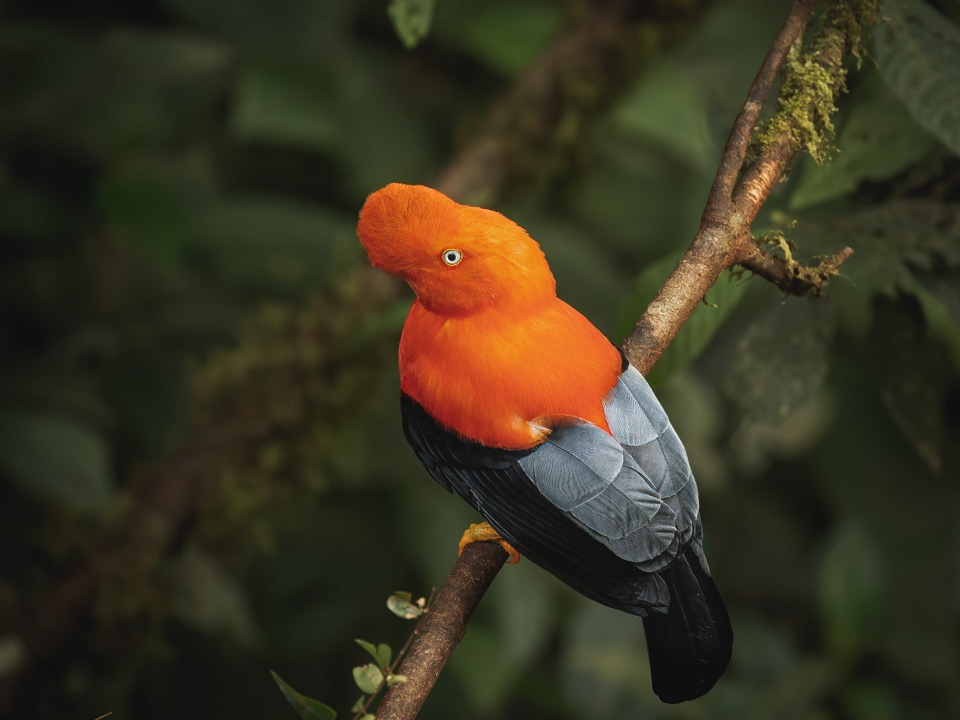
The Andean Cock-of-the-rock is perhaps the best-known example. At traditional leks around San Pedro, males gather to perform their elaborate courtship displays, providing opportunities to observe one of the most remarkable behaviors of any Neotropical bird. Higher in the mountains, the Gray-breasted Mountain-Toucan is an unmistakable presence in the cloud forest, where its calls often reveal its location before the bird comes into view.
The Golden-headed and Crested Quetzals, Blue-banded Toucanet, and Versicolored Barbet are additional highlights of mature montane forest. Fruiting trees can provide particularly rewarding encounters, while colorful tanagers frequently attract attention within active mixed-species flocks.
Other iconic birds are considerably less predictable. Black-and-chestnut Eagle may occasionally be observed soaring above forested valleys, while Amazonian Umbrellabird and Blue-headed Macaw are notable possibilities in suitable lower-elevation habitats. These species require patience and should be considered opportunities rather than expected sightings.
Key Bird Species
Andean Cock-of-the-rock, Gray-breasted Mountain-Toucan, Golden-headed Quetzal, Crested Quetzal, Blue-banded Toucanet, Versicolored Barbet, Paradise Tanager, Black-and-chestnut Eagle, Amazonian Umbrellabird, and Blue-headed Macaw.
Main Birding Hotspots
San Pedro & the Cock-of-the-rock Lek
The classic place to search for displaying Andean Cock-of-the-rock and other mid-elevation forest birds.
Wayqecha & Pillahuata
Upper cloud forest for mountain-toucans, quetzals, mountain tanagers, and mixed flocks.
Cock-of-the-Rock Lodge & Rocotal
Productive forest edges, trails, feeders, and fruiting trees for colorful cloud forest species.
Manu Biolodge / Formerly Villa Carmen
Foothill forest where tropical fruit-eaters, parrots, and other Amazon-influenced birds become increasingly prominent.
02
Endemic and Range-Restricted Birds
For dedicated birders, the opportunity to search for Peruvian endemics is one of Manu Road's strongest attractions. These species occur in different habitats, from the dry valleys around Cusco to the humid forests of the eastern Andes, making careful itinerary planning especially important.
The Bearded Mountaineer and Rusty-fronted Canastero are characteristic endemic targets of the dry Andean environments near Cusco. Farther along the route, the Red-and-white Antpitta and Urubamba Antpitta are among the most sought-after forest birds. Both are secretive understory species for which knowledge of vocalizations and precise habitat preferences can be essential.
Other notable Peruvian endemics include Inca Flycatcher and Marcapata Spinetail in montane habitats, as well as Cerulean-capped Manakin and Peruvian Piedtail at lower elevations. The Black-backed Tody-Flycatcher is another localized endemic target associated with dense foothill vegetation.
Not all geographically restricted birds are confined to Peru. The Fine-barred Piculet, for example, also occurs in neighboring Brazil. Distinguishing national endemics from regional specialties provides a more accurate basis for constructing a target list.
Because these birds occupy different ecological conditions, a successful endemic-focused itinerary depends on appropriate habitat coverage, patient observation, and sufficient time at productive locations.
Key Bird Species
Bearded Mountaineer, Rusty-fronted Canastero, Red-and-white Antpitta, Urubamba Antpitta, Inca Flycatcher, Marcapata Spinetail, Cerulean-capped Manakin, Peruvian Piedtail, Black-backed Tody-Flycatcher, and Fine-barred Piculet.
Main Birding Hotspots
Huacarpay & the Cusco Dry Valleys
An excellent opening area for Bearded Mountaineer, Rusty-fronted Canastero, and other highland specialties.
Acjanaco, Esperanza & Wayqecha
Upper montane forest, dense shrubs, and bamboo for specialized antpittas, spinetails, and other localized species.
Pillahuata to San Pedro
Cloud forest searches for Inca Flycatcher and a range of localized forest species.
Lower San Pedro, Pilcopata & Manu Biolodge
Lower montane and foothill habitats for Cerulean-capped Manakin, Peruvian Piedtail, and other localized targets.
03
Cloud Forest & Andean Specialties
The montane forests of Manu Road support a remarkable variety of birds adapted to the cool, humid conditions of the eastern Andes. For experienced birders, these forests offer a combination of conspicuous canopy species, active mixed-species flocks, and difficult understory targets.
Gray-breasted Mountain-Toucan, Hooded Mountain Tanager, Scarlet-bellied Mountain Tanager, and Golden-collared Tanager are among the characteristic birds of the upper elevations. In dense vegetation, antpittas, tapaculos, and montane wrens present a different challenge, frequently requiring patient listening before they can be located.
At middle elevations, Golden-headed Quetzal, Crested Quetzal, Blue-banded Toucanet, and Versicolored Barbet are rewarding forest targets. Mixed-species flocks can be particularly productive, bringing together tanagers, foliage-gleaners, woodcreepers, and flycatchers that forage at different heights.
Hummingbirds add another dimension, with species such as Long-tailed Sylph and Amethyst-throated Sunangel occurring in suitable montane habitats. Flowering vegetation and established observation sites can provide opportunities for closer study.
The principal challenge in cloud forest birding is not simply finding birds, but locating the right species within a complex forest environment. Familiarity with vocalizations, careful observation of mixed flocks, and time spent at appropriate elevations are especially valuable.
Key Bird Species
Gray-breasted Mountain-Toucan, Red-and-white Antpitta, Urubamba Antpitta, Golden-headed Quetzal, Crested Quetzal, Blue-banded Toucanet, Versicolored Barbet, Hooded Mountain Tanager, Scarlet-bellied Mountain Tanager, Golden-collared Tanager, Long-tailed Sylph, and Amethyst-throated Sunangel.
Main Birding Hotspots
Acjanaco Pass & Treeline
High elevation transitions for mountain tanagers, forest-edge species, and localized upper Andean birds.
Wayqecha Biological Station
Upper cloud forest trails and road sections for antpittas, mountain-toucans, and mixed flocks.
Pillahuata & Rocotal
Excellent intermediate-elevation forest birding, especially for moving mixed flocks and specialized insectivores.
San Pedro & Cock-of-the-Rock Lodge
Mid-elevation forest for quetzals, toucanets, barbets, tanagers, and hummingbirds.
04
Amazonian Foothill & Bamboo Specialists
The Amazonian foothills introduce an increasingly tropical bird community, including specialized antbirds, manakins, woodpeckers, barbets, and other forest species. Among the most interesting targets are birds associated with Guadua bamboo, a habitat that supports several distinctive southwestern Amazonian specialists.
Manu Antbird, Bamboo Antshrike, and Rufous-headed Woodpecker are particularly notable bamboo-associated species. Their reliance on dense vegetation, combined with the difficulty of observing birds inside mature bamboo stands, makes vocal identification and careful searching especially important.
Outside the bamboo, forest trails and edges offer opportunities for Black-backed Tody-Flycatcher, Fine-barred Piculet, and Scarlet-hooded Barbet. Fruiting trees may attract aracaris and other canopy birds, while established hummingbird gardens provide opportunities to observe species such as Rufous-crested Coquette.
The forests around Pilcopata and Manu Biological Station are important for exploring these habitats within the road-accessible birding circuit. However, the presence and condition of suitable bamboo stands can vary, and productive birding often requires time at specific sites.
Expeditions continuing by boat beyond Atalaya can access additional lowland habitats and species. These are valuable extensions, but they should be distinguished from the classic Manu Road itinerary.
Key Bird Species
Manu Antbird, Bamboo Antshrike, Rufous-headed Woodpecker, Black-backed Tody-Flycatcher, Fine-barred Piculet, Scarlet-hooded Barbet, Rufous-crested Coquette, Blue-headed Macaw, Chestnut-eared Aracari, and Amazonian Umbrellabird.
Main Birding Hotspots
Manu Biolodge / Formerly Villa Carmen
A principal foothill base with forest trails, bamboo patches, and a broad variety of tropical forest birds.
Guadua Stands around Pilcopata
Targeted bamboo birding for specialized antbirds, woodpeckers, and other secretive species.
Pico de Hoz & Inkamazonia
Hummingbird observation gardens and surrounding foothill vegetation, especially useful for photography.
Atalaya & the Alto Madre de Dios Gateway
Lower foothill and river-edge birding, with access to boat-based extensions into the Manu lowlands.
Top 10 Target Birds of Manu Road
These ten birds represent some of Manu Road’s most distinctive birding targets, from Peruvian endemics of the high Andes to specialized cloud forest and Amazonian bamboo species. Their inclusion reflects their ornithological interest rather than a guarantee of sightings.
Andean Cock-of-the-rock (Rupicola peruvianus) — Peru’s national bird, famous for its elaborate courtship displays. Traditional leks around San Pedro offer some of the route’s best opportunities to observe males displaying.
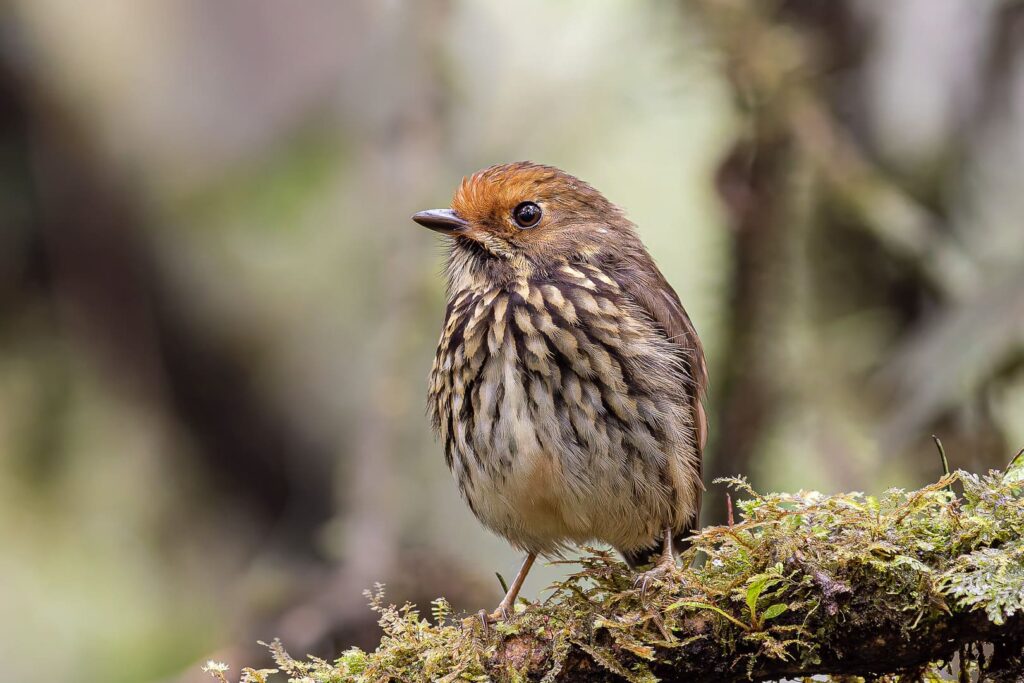
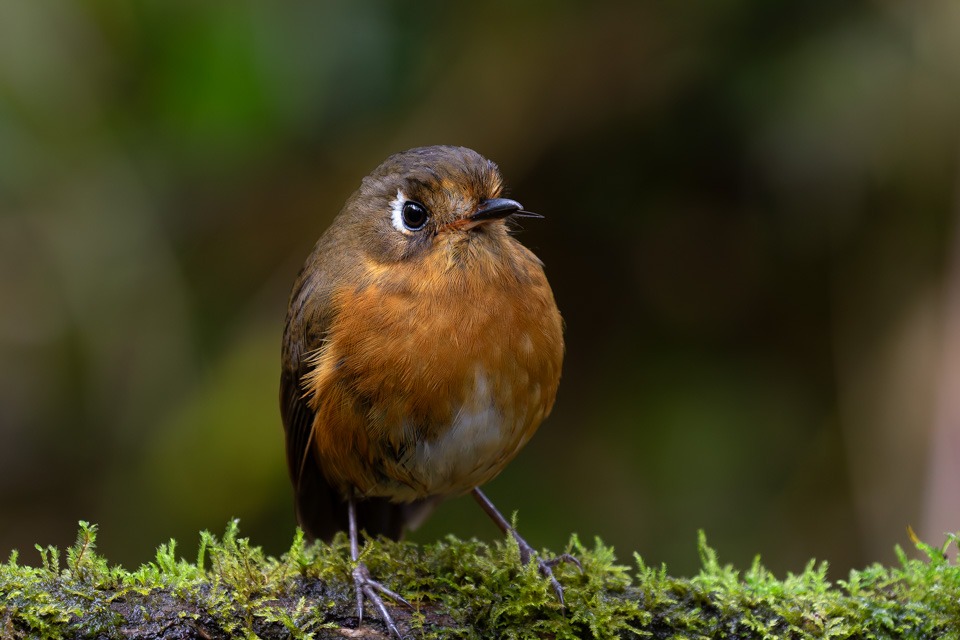
Red-and-white Antpitta (Grallaria erythroleuca) — A Peruvian endemic of humid upper montane forests, particularly around Wayqecha and Pillahuata. Often detected by its distinctive vocalizations, this secretive understory bird can be challenging to observe.
Gray-breasted Mountain-Toucan (Andigena hypoglauca) — A characteristic bird of upper montane forests, recognizable by its multicolored bill and distinctive calls. The forests around Acjanaco and Wayqecha provide opportunities to search for this Andean specialty.
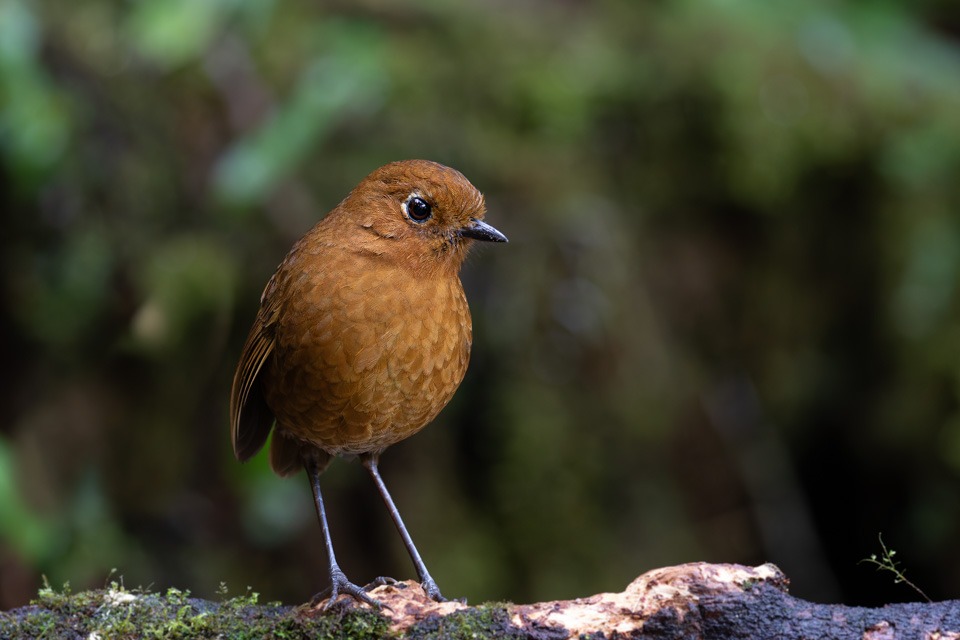
Urubamba Antpitta (Grallaria occabambae) — A localized Peruvian endemic associated with dense upper montane vegetation. This elusive species is a sought-after target around Acjanaco and the upper cloud forests, where recognizing its voice is particularly useful.
Cerulean-capped Manakin (Lepidothrix coeruleocapilla) — A Peruvian endemic of humid lower montane forest. Males are distinctive for their black plumage and brilliant blue crown and back. Suitable forest around the lower San Pedro–Chontachaca sector offers opportunities to search for this localized species.
Bearded Mountaineer (Oreonympha nobilis) — A distinctive Peruvian endemic hummingbird of dry Andean valleys and shrublands. Flowering vegetation around Huambutio and Huacarpay provides opportunities to observe this remarkable highland specialty.
Inca Flycatcher (Leptopogon taczanowskii) — A Peruvian endemic of humid montane forest, often encountered with mixed-species flocks. Careful observation and familiarity with its vocalizations are useful when searching the forests around Wayqecha and Pillahuata.
Peruvian Piedtail (Phlogophilus harterti) — A localized Peruvian endemic hummingbird associated with the understory of humid lower montane forests. Its distinctive black-and-white tail is an important identification feature. Suitable forest and flowering vegetation at lower elevations offer opportunities for observation.
Rufous-headed Woodpecker (Celeus spectabilis) — A distinctive woodpecker strongly associated with Guadua bamboo. Searching mature bamboo stands around the lower Kosñipata Valley and Manu Biological Station can provide opportunities to encounter this specialized southwestern Amazonian bird.
Manu Antbird (Cercomacra manu) — A secretive southwestern Amazonian antbird closely associated with dense Guadua bamboo. Often detected by voice, it is an important target in suitable bamboo habitats around Pilcopata and Manu Biological Station.
Top Birding Hotspots Along Manu Road
Manu Road offers a remarkable collection of birding locations, from the wetlands and dry Andean valleys near Cusco to the upper cloud forests, mid-elevation birding sites, and Amazonian foothills around Pilcopata. Each location provides access to particular habitats and bird communities, making the choice of birding stops especially important when planning a target-oriented itinerary.
The following directory brings together 17 birding hotspots along the route, including productive roadside sectors, forest trails, hummingbird gardens, observation sites, and established birding lodges. Explore the locations using the interactive map and filters, review their principal birding highlights, and consult the available eBird links for recorded species and recent observations.
Explore the 17 Manu Road Birding Hotspots
Numbers 01–17 match the hotspot accordions on this page. Click a pin to explore it, or choose a location from the directory. Nearby markers may be grouped together; click a group to zoom in. Forest sectors and broad areas use representative reference points, not precise trail entrances. This is a location guide, not a navigation route.
Browse all 17 numbered hotspots
Top Birding Hotspots Along Manu Road
Manu Road offers a remarkable collection of birding locations, from the wetlands and dry Andean valleys near Cusco to the upper cloud forests, mid-elevation birding sites, and Amazonian foothills around Pilcopata. Each location provides access to particular habitats and bird communities, making the choice of birding stops especially important when planning a target-oriented itinerary.
The following directory brings together 17 birding hotspots along the route, including productive roadside sectors, forest trails, hummingbird gardens, observation sites, and established birding lodges. Explore the locations using the interactive map and filters, review their principal birding highlights, and consult the available eBird links for recorded species and recent observations.
Manakin Expeditions · Cusco & Manu
Explore the 17 Manu Road Birding Hotspots
Showing 17 of 17 hotspots
Numbers 01–17 correspond to the directory below. Markers indicate reference locations or sectors, not necessarily exact entrances or trailheads. Some points are approximate. This map is for orientation, not navigation.
01Huacarpay Wetlands & Dry Andean Slopes
An excellent introduction to Manu Road birding near Cusco, Huacarpay combines high-Andean wetlands, reedbeds, rocky hillsides, and dry inter-Andean scrub. The contrast between open water and dry slopes makes it especially productive for waterbirds and regional specialties. Birders can search for Bearded Mountaineer and Rusty-fronted Canastero in the surrounding vegetation, while Many-colored Rush Tyrant, Wren-like Rushbird, and Plumbeous Rail are among the characteristic wetland targets.
02Sacred Garden — Bearded Mountaineer & Mountain Finch
Sacred Garden is a specialized observation site in the Cusco highlands, particularly valuable for two sought-after birds: the endemic Bearded Mountaineer and the Chestnut-breasted Mountain Finch. Its observation areas provide opportunities for close views and photography, complementing searches in the surrounding dry Andean scrublands.
Located within the wider Cusco birding circuit, this site can be incorporated into a Manu Road itinerary for birders interested in highland specialties before beginning the descent toward the cloud forests.
03Acjanaco Pass & Puna Grasslands
Acjanaco marks the spectacular transition from the high Andean puna into the humid eastern slopes of Manu. Open grasslands, montane scrub, and the upper forest boundary create opportunities for very different birds within a short distance. Depending on weather and visibility, targets may include Gray-breasted Mountain-Toucan, Hooded Mountain Tanager, Scarlet-bellied Mountain Tanager, Amethyst-throated Sunangel, and secretive high-elevation understory species.
The changing landscape makes this one of the most memorable ecological stops on the route.
04Esperanza Elfin Forest
The upper forest around Esperanza is a particularly rewarding area for birders seeking specialists of the treeline and humid high Andes. Stunted, moss-covered woodland, dense shrubs, and patches of montane bamboo provide cover for difficult forest birds. Important targets include Red-and-white Antpitta, Urubamba Antpitta, Marcapata Spinetail, and Gray-breasted Mountain-Toucan, depending on the precise elevation and habitat.
Patient listening and slow birding are especially valuable in this often misty environment.
05Wayqecha Biological Station
Wayqecha is a leading upper montane cloud forest destination along Manu Road, with trails through humid, mossy woodland and rich epiphyte-covered vegetation. Its elevated setting is particularly attractive for forest specialists, mixed-species flocks, and hummingbirds. Birders may search for Red-and-white Antpitta, Gray-breasted Mountain-Toucan, Inca Flycatcher, Golden-headed Quetzal, and Hooded Mountain Tanager.
The station provides an excellent base for exploring the distinctive bird communities of the upper cloud forest.
06Sword-billed Hummingbird Garden
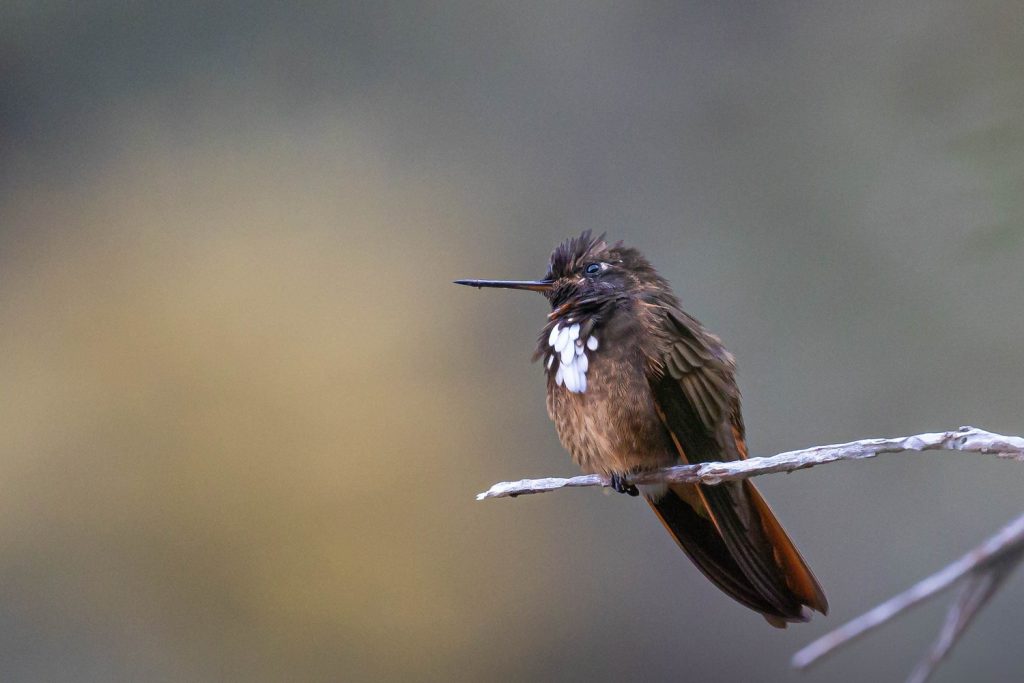
This specialized observation site in the upper montane forest is particularly interesting for the Sword-billed Hummingbird, whose exceptionally long bill is adapted to feeding from deep flowers. The surrounding vegetation and nearby observation areas may also offer opportunities to search for the elusive Undulated Antpitta.
The combination of hummingbird observation and difficult forest targets makes this a worthwhile stop for birders and photographers, although sightings depend on current bird activity and site conditions.
07Pillahuata Cloud Forest
Pillahuata is one of the classic roadside birding sectors between Wayqecha and the lower cloud forests. Dense montane vegetation, forest edges, and changes in elevation make it excellent for working mixed-species flocks and listening for understory specialists. Possible targets include Gray-breasted Mountain-Toucan, Golden-headed Quetzal, Inca Flycatcher, Red-and-white Antpitta, and colorful mountain tanagers. Frequent roadside stops can be as rewarding as longer forest walks when flocks are active.
08Rocotal Cloud Forest
Rocotal lies within a productive stretch of humid montane forest where bird activity often concentrates along roadside vegetation and forest edges. The combination of tall trees, epiphytes, and sheltered valleys supports mixed flocks, frugivores, and diverse hummingbirds. Among the birds to watch for are Golden-headed Quetzal, Blue-banded Toucanet, Versicolored Barbet, Golden Tanager, and Saffron-crowned Tanager.
It is particularly rewarding for birders who enjoy scanning canopy flocks as they move through the forest.
09San Pedro & Andean Cock-of-the-rock Lek
San Pedro is one of the most celebrated cloud forest birding sectors on Manu Road, best known for the extraordinary courtship displays of the Andean Cock-of-the-rock. The surrounding mid-elevation forest is equally rewarding, with opportunities for Golden-headed Quetzal, Versicolored Barbet, Blue-banded Toucanet, Paradise Tanager, and numerous hummingbirds. Visiting an active lek can be a highlight of the entire trip, while nearby roadside forests offer excellent birding beyond the famous display.
10Cock-of-the-Rock Lodge
This well-known lodge is a strategic base for exploring the mid-elevation cloud forests of the San Pedro area. Forest trails, gardens, feeders, and nearby roadside habitats provide opportunities for both dedicated birding and photography. Targets may include Andean Cock-of-the-rock, Wire-crested Thorntail, Violet-fronted Brilliant, Booted Racket-tail, Versicolored Barbet, and colorful tanagers. Its location also makes it especially useful for repeated searches during the most active hours of the day.
11Manu Endemic Station
Manu Endemic Station provides access to hummingbird observation areas and surrounding lower montane vegetation, where species associated with the transition toward the Amazonian foothills can be encountered.
The Peruvian Piedtail is among the main targets, alongside other hummingbirds and localized eastern-Andean forest species. Observation conditions vary with flowering activity and bird movements, making this a useful stop for birders and photographers interested in lower-elevation specialties.
12Chontachaca Lower Montane Forest
The descent through Chontachaca reveals a warmer, more tropical forest community than the one found around Wayqecha and San Pedro. Tall vegetation, forest edges, and humid lower slopes are worth exploring for localized birds such as Cerulean-capped Manakin, Peruvian Piedtail, and Black-backed Tody-Flycatcher, depending on the site and elevation.
The changing composition of tanagers, hummingbirds, and forest insectivores makes this section particularly interesting for birders tracking species across the Manu elevational gradient.
13Manu Biological Station (Formerly Villa Carmen)
Near Pilcopata, Manu Biological Station provides access to a mosaic of Amazonian foothill forest, Guadua bamboo, secondary growth, and riverine vegetation. This habitat diversity makes it especially valuable for difficult low-elevation species. Birders may seek Manu Antbird, Bamboo Antshrike, Fine-barred Piculet, Black-backed Tody-Flycatcher, Blue-headed Macaw, and numerous manakins and antbirds.
Exploring different trails is essential because many of the most specialized birds are strongly tied to particular vegetation types.
14Pico de Hoz Hummingbird Garden
Pico de Hoz is a rewarding stop in the lower Manu Road region for observing hummingbirds and other birds attracted to flowering tropical vegetation. Observation areas can provide especially attractive photographic opportunities, with targets such as Rufous-crested Coquette, Gould’s Jewelfront, and other foothill hummingbirds. The surrounding forest and open viewpoints add variety beyond the feeders. It is an excellent complement to the more demanding trail birding of nearby bamboo and foothill forests.
15Inkamazonia Hummingbird Garden
Inkamazonia is a popular hummingbird observation site in the Pilcopata area, particularly appealing to bird photographers seeking clear views of tropical species. Feeders and flowering vegetation can attract a rotating selection of birds, including Rufous-crested Coquette, Golden-tailed Sapphire, Fork-tailed Woodnymph, and other colorful foothill hummingbirds.
Because activity varies with flowering conditions and season, patient observation is often rewarded with different species and behaviors throughout the visit.
16Cocha Machuwasi
Cocha Machuwasi, near Villa Salvación in the wider Manu foothills, provides opportunities to observe birds associated with quiet tropical waters, floating vegetation, and wetland margins. The Hoatzin is a principal target, while Wattled Jacana, Rufescent Tiger-Heron, Black-capped Donacobius, and several kingfishers may also be encountered.
Unlike the dense forest environments that dominate much of Manu Road, the open water and lakeside vegetation can provide prolonged views of aquatic species and rewarding opportunities for bird photography. A visit requires travel beyond the usual Pilcopata-area stops.
17Atalaya & Alto Madre de Dios River
Atalaya marks the transition from the road-accessible Amazonian foothills to the river-based environments of the Alto Madre de Dios. Riverbanks, secondary vegetation, and forested margins provide opportunities for species such as Ringed Kingfisher, Amazon Kingfisher, Capped Heron, and parrots or macaws flying over the surrounding forest.
Atalaya is also a principal departure point for boat journeys toward more remote Amazonian lodges. These river-based destinations are extensions beyond the conventional Manu Road birding circuit and require separate travel arrangements.
No hotspots match your search. Try a different species or select All hotspots.
Choosing the Right Manu Road Birding Route
Choosing a Manu Road itinerary is primarily a question of how much time you can devote to different elevations and which birds or photographic opportunities matter most to you. A seven-day journey offers broad habitat coverage, while shorter visits concentrate on selected cloud forest targets. Photography-focused trips benefit from a slower pace, and lowland extensions require additional travel beyond the road itself.
The four options below outline their main strengths, typical duration, representative targets, and practical trade-offs. They are planning frameworks rather than fixed schedules; individual stops and observation sites depend on access, road conditions, and bird activity.
01Classic Manu Road Birding Route — The Complete Elevational Journey
The classic seven-day journey is designed for birders who want to experience the full range of habitats accessible along Manu Road, from the dry valleys and wetlands near Cusco to the puna, upper cloud forests, San Pedro, and the Amazonian foothills. Its main advantage is breadth: each elevation offers bird communities that are difficult to cover in a shorter visit.
Typical stops include Huacarpay, Acjanaco, Wayqecha, Pillahuata, San Pedro, Cock-of-the-Rock Lodge, and the forests and Guadua bamboo around Manu Biological Station (formerly Villa Carmen). This combination suits first-time visitors as well as experienced birders pursuing endemics, antpittas, mixed-species flocks, and bamboo specialists.
Seven days provide a practical balance between travel and field time. An eighth day in the lower foothills is worth considering for visitors who want a more thorough search for bamboo birds or additional opportunities in tropical forest. Weather, road conditions, and the particular targets of the group will determine how much time is spent at each elevation.
Bearded Mountaineer, Rusty-fronted Canastero, Urubamba Antpitta, Red-and-white Antpitta, Gray-breasted Mountain-Toucan, Andean Cock-of-the-rock, Golden-headed Quetzal, Inca Flycatcher, Peruvian Piedtail, Cerulean-capped Manakin, Manu Antbird, and Rufous-headed Woodpecker.
Planning consideration: Main trade-off: wide habitat coverage leaves less time for repeated searches at any one site.
Explore the 7-day Manu Road itinerary02Short Manu Road Birding Route — Upper & Mid-Elevation Specialties
A four-day itinerary focuses on the high- and mid-elevation forests, particularly Acjanaco, Wayqecha, Pillahuata, and San Pedro. Rather than trying to reproduce the full seven-day route, it gives priority to montane targets and allows more focused birding in a smaller geographic area.
The upper forests are important for Urubamba and Red-and-white Antpittas, Inca Flycatcher, Marcapata Spinetail, Gray-breasted Mountain-Toucan, and distinctive mountain tanagers. Around San Pedro, the Andean Cock-of-the-rock lek, quetzals, toucanets, barbets, and mixed-species flocks offer a different selection of birds at lower elevations.
This route is well suited to travelers with limited time or a target list concentrated in the cloud forest. Its main limitation is reduced access to the lower foothills and Guadua bamboo, where several specialized antbirds, woodpeckers, and other Amazonian species occur. Any further descent should be treated as an opportunity rather than an assumed part of the itinerary.
Urubamba Antpitta, Red-and-white Antpitta, Leymebamba Antpitta, Marcapata Spinetail, Inca Flycatcher, Gray-breasted Mountain-Toucan, Hooded Mountain Tanager, Scarlet-bellied Mountain Tanager, Golden-headed Quetzal, Crested Quetzal, Blue-banded Toucanet, and Andean Cock-of-the-rock.
Planning consideration: Main trade-off: less foothill and bamboo birding in exchange for a more concentrated montane itinerary.
Explore the 4-day Manu Road itinerary03Manu Road Bird Photography Route — Feeders, Forests & Wetlands
An eight-day photography itinerary prioritizes time with individual birds over the number of locations visited. The route can combine hummingbird gardens, selected antpitta observation sites, fruiting and feeding areas, the Andean Cock-of-the-rock lek, and natural-light photography in forest habitats. Allowing time for repeated sessions is particularly valuable when light, bird activity, or weather is unfavorable.
At higher elevations, photographic targets may include Sword-billed Hummingbird, Cuzco Starfrontlet, Long-tailed Sylph, and several antpittas, depending on the locations and observation sites available. The middle cloud forest offers opportunities for quetzals, tanagers, Wire-crested Thorntail, Rufous-booted Racket-tail, and displaying Andean Cock-of-the-rock. Farther down the road, hummingbird gardens near Pilcopata can provide access to Rufous-crested Coquette, Gould's Jewelfront, and other foothill species.
Forest photography is less predictable than photographing birds at established observation sites, but it offers opportunities for natural behavior and varied backgrounds. Wetland photography, including species such as Hoatzin and kingfishers, can be considered as an additional component when suitable sites, travel time, and access permit; it is not assumed to be part of every road-based itinerary.
Sword-billed Hummingbird, Cuzco Starfrontlet, Rufous-booted Racket-tail, Wire-crested Thorntail, Rufous-crested Coquette, Gould's Jewelfront, Urubamba Antpitta, Red-and-white Antpitta, Undulated Antpitta, Andean Cock-of-the-rock, Paradise Tanager, and Hoatzin (with an appropriate wetland extension).
Planning consideration: Main trade-off: fewer locations may be covered because productive photographic sessions take time.
Explore the 8-day photography itinerary04Manu Road & Amazon Lowlands — Pantiacolla and Blanquillo Extension
Travelers who want to add the Amazonian lowlands can combine the classic Manu Road itinerary with river-based visits to Pantiacolla Lodge and Tambo Blanquillo Lodge. The two sections offer complementary birding: the road covers Andean and foothill habitats, while the river journey introduces extensive lowland rainforest, different forest bird communities, and specialized Amazonian observation sites.
A possible arrangement includes one night at Pantiacolla and two nights at Blanquillo. Pantiacolla provides access to lowland forest trails and species such as antbirds, manakins, woodcreepers, and toucans. Blanquillo is particularly associated with a macaw clay lick, canopy observation, rainforest trails, and oxbow-lake habitats, where macaws, parrots, Hoatzin, and other lowland species may be sought.
The extension begins with boat travel beyond the road-accessible foothills, typically from the Atalaya area. Lodge nights alone do not determine the total itinerary duration: river transfers, operating conditions, access permissions where applicable, and the return route must all be included in the final schedule. This combination is best planned as a customized expedition.
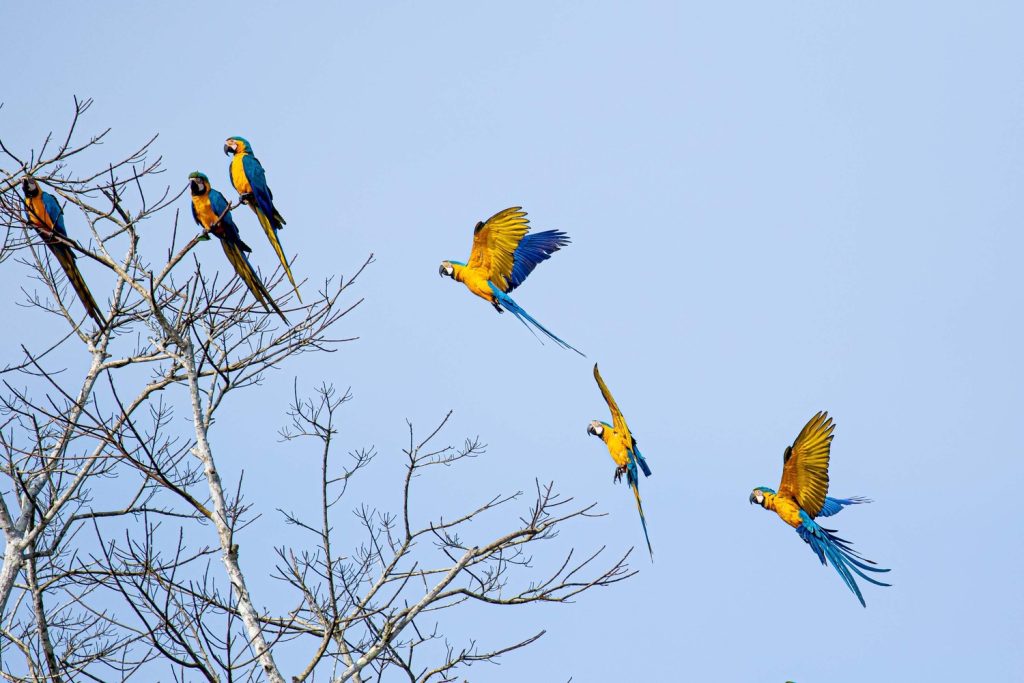
Red-and-green Macaw, Scarlet Macaw, Blue-and-yellow Macaw, Hoatzin, Amazonian antbirds, manakins, jacamars, aracaris, forest woodcreepers, and lowland canopy species.
Planning consideration: Main trade-off: greater lowland diversity requires substantially more travel and river-based logistics.
Enquire about a customized lowland extensionBest Birding Lodges Along Manu Road
Choosing where to stay along Manu Road is primarily about access to the right habitat at the right time of day. A lodge in the upper cloud forest serves very different birding priorities from one in San Pedro or the Amazonian foothills, and staying near productive sites can reduce travel time and allow more flexibility for early-morning birding and photography.
This directory groups 13 lodges and camps into main Manu Road bases, complementary roadside accommodation, and lowland extensions reached by river. The birding highlights are representative possibilities rather than guaranteed sightings; facilities, site access, and transport arrangements should be confirmed when planning a trip.
MANU ROAD & AMAZON LOWLANDS
Explore 13 lodges across the Andean cloud forest, Amazonian foothills and lowland river extensions.
Location accuracy: Numbered points 06, 07, 08 and 12 are reference locations for a sector, reserve or birding grounds, not confirmed lodge entrances. All markers are informative and should not be used as sole navigation instructions. River-only lodges are not accessible directly from Manu Road.
Main Birding Lodges Along Manu Road
Four principal bases covering the upper cloud forest, San Pedro and the Amazonian foothills.
Wayqecha Biological Station
Upper montane cloud forest · approximately 3,000 m
Wayqecha provides an overnight base in the upper montane forest, where birding often depends on precise elevation and time spent listening in dense understory. Its trails and nearby roadside habitats give access to mossy forest, montane bamboo and the transition toward elfin woodland.
Staying here allows early and late visits to habitats that can be difficult to cover thoroughly from a lodge farther downslope. It is particularly useful for birders concentrating on antpittas, mixed-species flocks and other upper-elevation Andean specialties.
Representative birding highlights
Red-and-white Antpitta · Urubamba Antpitta · Gray-breasted Mountain-Toucan · Inca Flycatcher · Golden-collared Tanager
Cock-of-the-Rock Lodge
Mid-elevation cloud forest · San Pedro
Cock-of-the-Rock Lodge occupies a strategic position in the San Pedro cloud forest, close to well-known Andean Cock-of-the-rock display grounds. Its grounds, nearby road sections and surrounding forest offer opportunities to observe hummingbirds, quetzals, toucanets, tanagers and mixed-species flocks.
Its main advantage is access: birders can spend more time at productive middle elevations without repeated long transfers. Feeders and garden areas can also be useful for observation and photography, while forest birding requires patience and favorable conditions.
Representative birding highlights
Andean Cock-of-the-rock · Golden-headed Quetzal · Versicolored Barbet · Blue-banded Toucanet · Wire-crested Thorntail
Manu Paradise Lodge
Mid-elevation cloud forest · San Pedro sector
Manu Paradise Lodge offers another accommodation option in the San Pedro sector, with access to the surrounding cloud forest and the same general middle-elevation birding circuit. It can serve as a base for visits to nearby roadside locations and the Andean Cock-of-the-rock lek.
The principal birding value lies in the location rather than in any single guaranteed sighting. Fruiting and flowering vegetation may attract quetzals, tanagers, toucanets and hummingbirds, while forest flocks and understory birds vary with daily conditions.
Representative birding highlights
Andean Cock-of-the-rock · Golden-headed Quetzal · Crested Quetzal · Paradise Tanager · Orange-eared Tanager
Manu Biolodge (Formerly Villa Carmen)
Amazonian foothills · near Pilcopata
Manu Biolodge, formerly known as Villa Carmen Biological Station, is an important foothill base for exploring premontane forest, Guadua bamboo, secondary vegetation and riverine habitats. Its network of trails provides access to birds that are largely absent from the higher cloud forest.
The property is particularly useful for birders searching for bamboo-associated antbirds, woodpeckers and other low-elevation specialties. Different habitats can be explored from a single base, while nearby observation sites offer additional opportunities for hummingbird photography.
Representative birding highlights
Manu Antbird · Bamboo Antshrike · Rufous-headed Woodpecker · Fine-barred Piculet · Black-backed Tody-Flycatcher
Other Lodges Along the Manu Road
Complementary overnight options and smaller birding-oriented properties along the road corridor.
Manu Endemic Lodge & Reserve
Birding-focused property · lower montane transition
Manu Endemic Lodge & Reserve is a birding-oriented property in the lower montane–foothill transition. Its observation areas and hummingbird feeding stations are of particular interest to photographers and visitors targeting species associated with this elevation.
Peruvian Piedtail is an important target, although visits depend on current bird activity and the availability of observation areas. Accommodation, access and any specialized sessions should be confirmed before arrival.
Representative birding highlights
Peruvian Piedtail · hummingbirds of the lower montane transition
Confirm current facilities and observation arrangements
Guadalupe Lodge
Amazonian foothills · forest, bamboo and riverine habitats
Guadalupe Lodge offers a foothill accommodation alternative in a landscape that includes riverine vegetation, bamboo patches, palms and regenerating forest. The surrounding habitat mosaic can be useful for birds associated with lower elevations and dense tropical vegetation.
For dedicated birders, the value of a stay depends on access to suitable trails and nearby bamboo stands. These arrangements are worth checking in advance rather than assuming the same specialized facilities offered by established birding lodges.
Representative birding highlights
Manu Antbird · Bamboo Antshrike · White-cheeked Tody-Flycatcher · Rufous-headed Woodpecker
Bamboo Lodge (Bamboo Manu Eco Lodge)
Lower Manu Road · forest-edge accommodation
Bamboo Lodge is an overnight option in the lower Manu Road corridor, useful for breaking the journey between cloud forest and the warmer Pilcopata–Atalaya sector. Nearby secondary vegetation and forest edges may provide birding opportunities around other scheduled stops.
Its name should not be taken to mean that the property itself guarantees access to extensive, mature Guadua bamboo. For bamboo specialists, the exact observation sites and access arrangements need to be planned separately.
Representative birding highlights
Forest-edge tanagers · flycatchers · tropical hummingbirds · nearby foothill species
Pico de Hoz Lodge & Hummingbird Garden
Small-scale accommodation · lower foothills
Pico de Hoz is known for its hummingbird garden and bird observation areas near Pilcopata. In addition to daytime visits, Manakin's current listing describes two guest rooms, allowing small parties to spend more time observing birds around the property.
For photographers, extended time at feeders and observation areas can provide greater flexibility with light and bird activity. Any specialized hide sessions, room availability and access arrangements should be confirmed beforehand.
Representative birding highlights
Rufous-crested Coquette · Gould's Jewelfront · tropical hummingbirds · foothill observation-site species
Two guest rooms stated in current listing; confirm availability
Amazon Lowland Lodges & Camps Beyond Manu Road
River-accessible extensions and protected-area accommodation; not roadside stops.
Pantiacolla Lodge
Amazonian lowland forest · reached by boat
Pantiacolla Lodge is reached by river transport beyond the road-accessible foothills. Its setting provides access to lowland forest and riverine habitats, introducing a bird community different from the upper and middle Manu Road forests.
Birding focuses on forest interior species, mixed flocks and riverside birds, with possibilities for antbirds, manakins, woodcreepers, jacamars and toucans. The amount of field time available depends on boat transfers and the itinerary's overnight arrangements.
Representative birding highlights
Lowland antbirds · manakins · jacamars · toucans · riverine birds
River access required
Campamento Aguaje
Manu National Park · Cocha Salvador sector
Campamento Aguaje is a basic camp associated with the Cocha Salvador area of Manu National Park. Its main attraction is proximity to protected lowland forest and lake habitats rather than the amenities or specialized facilities of a conventional birding lodge.
Birding and wildlife observation depend on the permitted park itinerary and access to nearby forest, waterways and lakes. This is best suited to travelers comfortable with simple accommodation who prioritize the surrounding environment.
Representative birding highlights
Hoatzin · Amazonian waterbirds · riverine species · lowland forest birds
Basic camp; park access arrangements required
Casa Matsiguenka
Manu National Park · Reserved Zone
Casa Matsiguenka is a community-run lodge associated with Matsiguenka communities in Manu National Park's Reserved Zone. Its location makes it a base for exploring surrounding lowland rainforest, waterways and major oxbow-lake habitats within an authorized park itinerary.
The attraction for birders is access to the surrounding ecosystems rather than dedicated feeders or purpose-built photographic stations. It suits travelers combining birdwatching with wider wildlife and cultural experiences in the protected area.
Representative birding highlights
Hoatzin · lake-associated birds · forest antbirds · toucans · Amazonian wildlife
Community-run accommodation
Tambo Blanquillo Lodge
Amazonian lowlands · macaw clay lick and canopy observation
Tambo Blanquillo is a river-accessible lowland extension, particularly valued for birding around a macaw clay lick, forest trails, canopy-level observation areas and nearby wetland habitats. It offers experiences substantially different from those of the Andean cloud forest lodges.
Macaws and other parrots are major targets, while lowland forest, elevated viewpoints and lake visits broaden opportunities for canopy and wetland species. Transport and observation plans must be organized as part of a separate river-based itinerary.
Representative birding highlights
Red-and-green Macaw · other macaws and parrots · canopy birds · Hoatzin · lowland forest specialists
River access required
Manu Wildlife Center
Amazonian lowlands · specialist rainforest birding lodge
Manu Wildlife Center is a well-established name in Amazonian birdwatching. Its current operator website describes forest trails, a canopy observation platform and access to wildlife-viewing areas, including clay licks, in the Manu Biosphere Reserve.
The lodge is a potential option for birders seeking intensive lowland forest observation beyond the road-accessible Manu corridor. As with any remote property, specific services, transfer logistics, trail access and the facilities available on the planned dates should be reconfirmed before booking.
Representative birding highlights
Forest antbirds · canopy species · macaws and parrots · large lowland forest birds
Confirm current arrangements directly with the operator
Bird species are representative possibilities, not guaranteed sightings. Lodge access, feeding stations, trails, permits and river transport can change; confirm current arrangements when planning. River-only destinations are separate extensions beyond Manu Road.
Manu Road Birding Trip Reports
Our Manu Road trip reports provide firsthand records of birding journeys across the eastern Andes and Amazonian foothills. They document the locations visited, species encountered, and notable observations made during actual expeditions, offering a practical perspective on what birders may experience along the route.
Explore our recent seven-day Manu Road reports alongside an earlier expedition extending into the Amazonian lowlands. These accounts provide useful references for planning a birding itinerary, comparing seasonal observations, and identifying productive habitats, while recognizing that bird activity and sightings vary between trips.
Manu Road Birding Trip Report — August 2026
A complete journey from Cusco's high Andes to Amazonian foothills, featuring Red-and-white and Urubamba Antpittas, Andean Cock-of-the-rock, Peruvian Piedtail, and Manu Antbird.
Manu Road Birding Trip Report — July 2026
Seven days across the Andean–Amazonian gradient, with upper cloud-forest antpittas, Sword-billed Hummingbird, exciting mixed flocks, and rich foothill birding.
Birding in Manu National Park — October 2018
An extended journey beyond Manu Road into Amazonian lowlands, with cloud-forest specialties, canopy birds, macaws, antbirds, and wildlife along the river.
Related Articles on Manu Road Birding
Continue exploring the Manu Road birding route through related articles, field reports, lodge guides, and species-focused content. These resources help birders go deeper into the habitats, target birds, lodges, and route combinations that make Manu Road one of the most rewarding birding corridors in Peru.