Per person ?In the event that only 2 or 3 participants confirm, a small additional charge of 10% over the total cost will be applied to guarantee the departure.
- May 25th–Jun 4th, 2027
- Jul 6th–16th, 2027
- Aug 17th–27th, 2027
This 11-day Birding and Culture tour in Peru offers the best of both worlds: top-tier birdwatching and immersive cultural exploration. From the sacred temples of the Inca to the untouched trails of the Manu Biosphere Reserve, this experience blends history and biodiversity across a wide range of breathtaking habitats.
You’ll travel from the high Andean peaks to the lush cloud forests and lowland jungle—encountering dozens of endemic birds while discovering legendary sites like Cusco, Machu Picchu, the Sacred Valley, and the spectacular Manu Road.
This is primarily a birding tour with a strong cultural component—perfect for birders of all levels who also want expert interpretation at Peru’s most iconic archaeological sites.
This route offers access to some of the most sought-after Andean and Amazonian species, including many endemics:
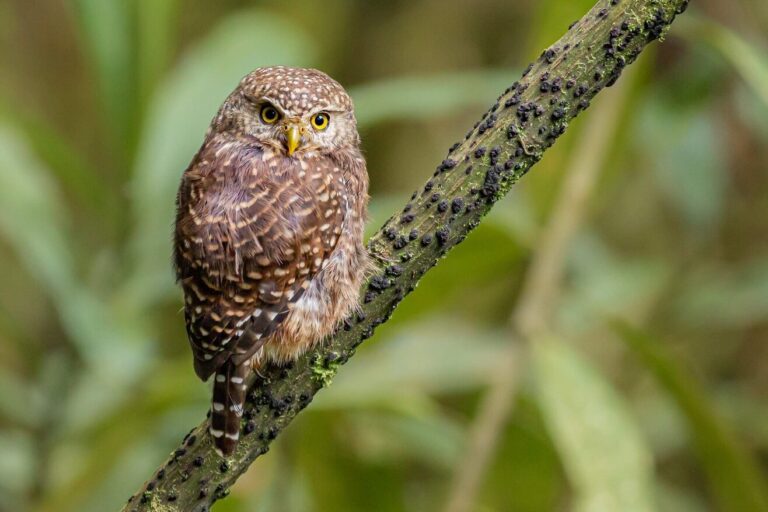
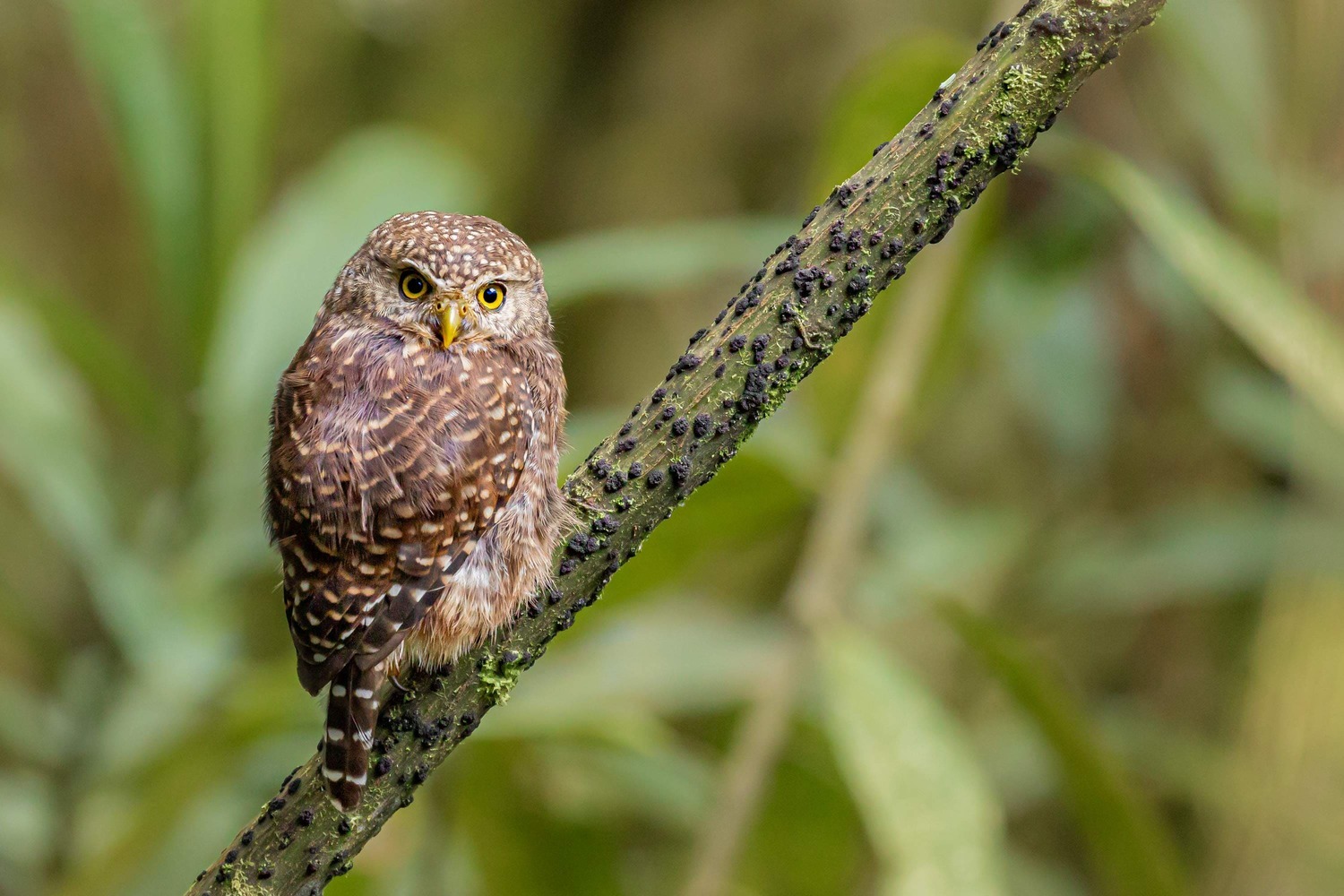
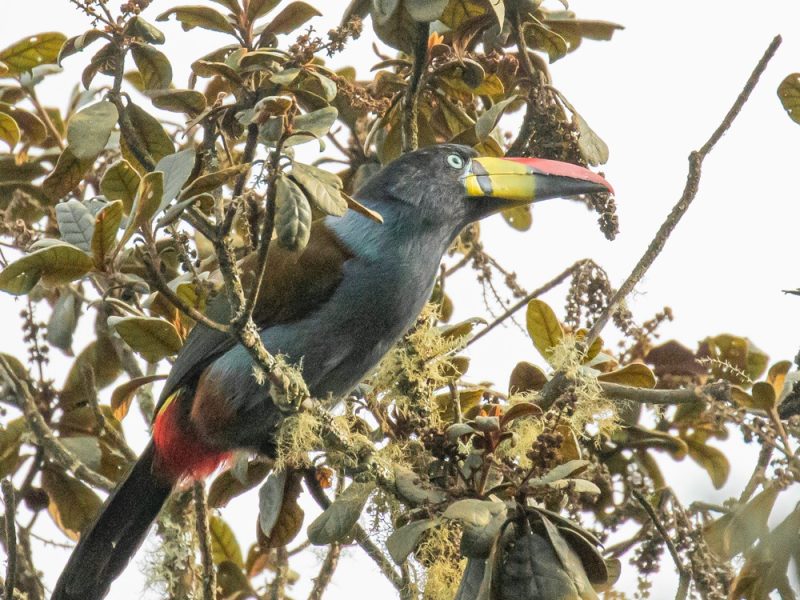
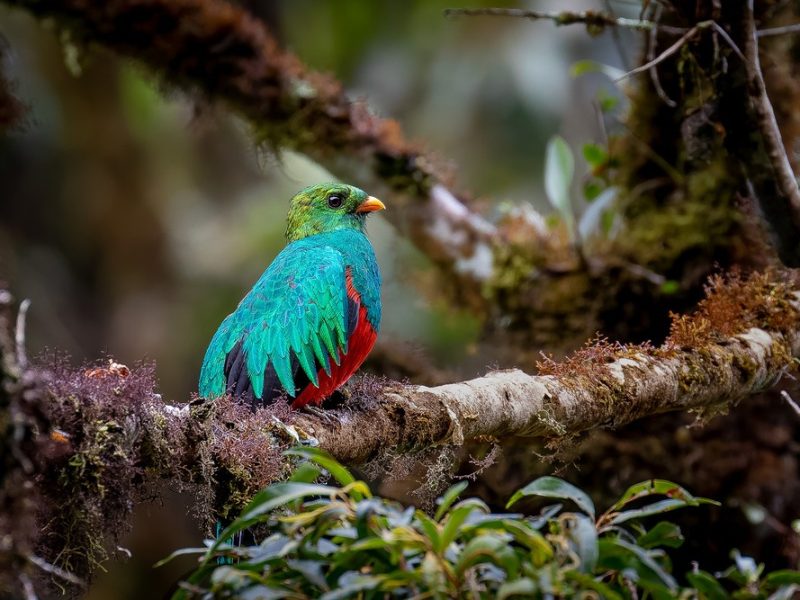
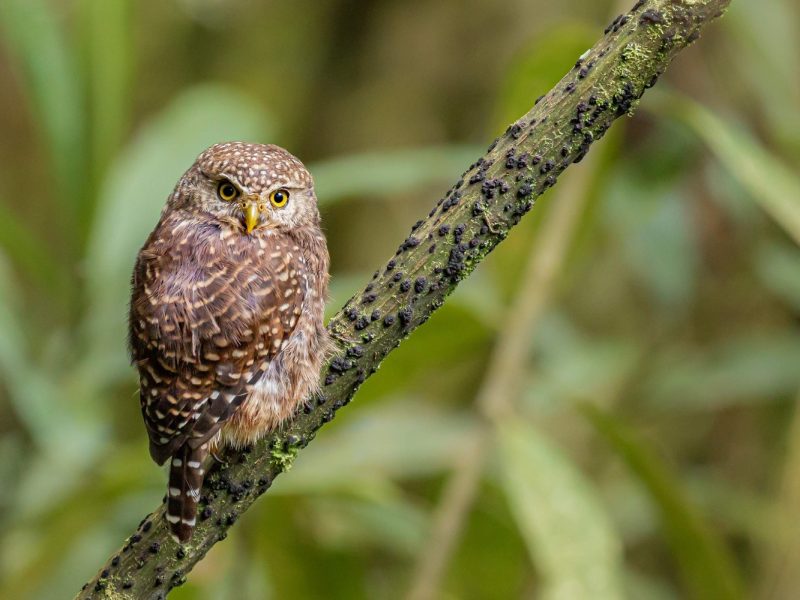
Bearded Mountaineer, Inca Wren, Creamy-crested Spinetail, Marcapata Spinetail, Chestnut-breasted Mountain-Finch, Urubamba Antpitta, Cuzco Brushfinch, Parodi’s Hemispingus, Puna Thistletail, Golden-collared Tanager, Diademed Tapaculo, Yungas Pygmy-Owl, Grass-green Tanager, White-browed Conebill, Masked Fruiteater, Rufous-capped Thornbill, Sierran Elaenia, Andean Cock-of-the-rock, Golden-headed Quetzal, Amazonian Umbrellabird, Barred Fruiteater, Plushcap, Torrent Duck, and many more.
This tour takes you through a diverse series of landscapes—from ancient cities to remote reserves:
Stay in a combination of 3-star superior hotels and beautiful birding lodges located in key ecological zones. Travel is conducted in private transport with expert Peruvian birding guides who also provide cultural interpretation at Inca heritage sites.
This Birding and Culture tour in Peru is designed to be affordable, accessible, and rich in both biodiversity and cultural heritage. With an optimal mix of species diversity, scenic landscapes, and iconic archaeology, it’s one of the best-value trips for birders seeking comfort, quality, and discovery.
Whether it’s your first time in Peru or you’re returning for more lifers, this itinerary offers a unique and unforgettable journey into the heart of Incan and natural history.
| DAY | ACTIVITIES | LODGING |
| 1 | Cusco to Manu Road | Wayquecha Lodge |
| 2 | Upper Manu Road | Cock-of-the -rock Lodge |
| 3 | Cloud forest – Manu Road | Cock-of-the -rock Lodge |
| 4 | Cloud forest – Manu Road | Manu Biolodge |
| 5 | Foothills – Manu Road | Manu Biolodge |
| 6 | Foothills – Manu Road | Wayquecha Lodge |
| 7 | Elfin forest to Cusco | Cusco (3* hotel) |
| 8 | Birding in Cusco: Saqsayhuaman + Pisaq + Ensifera hummingbird garden | Urubamba (3* hotel) |
| 9 | Machupicchu | Urubamba (3* hotel) |
| 10 | Abra Malaga | Urubamba (3* hotel) |
| 11 | Ollantaytambo + Birding andean Lakes to Cusco | – |
We begin our journey early in the morning, departing from Cusco around 6 am towards the renowned Huacarpay Wetlands, a high Andean lake complex recognized by UNESCO as a RAMSAR site for its ecological importance.
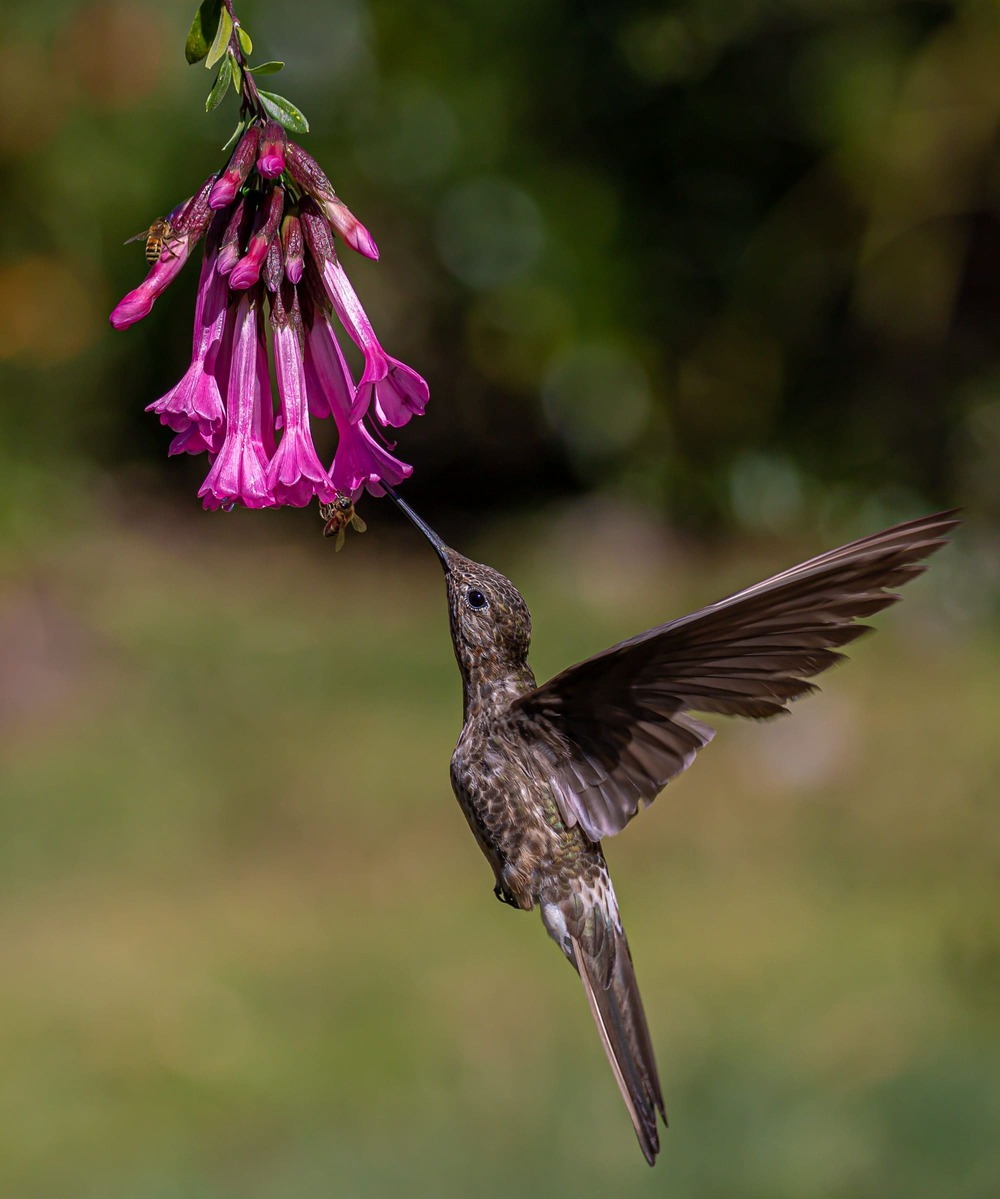
This wetland is home to a rich diversity of species, including waterfowl, endemics, and hummingbirds. Possible sightings include: Rusty-fronted Canastero (E), Bearded Mountaineer (E), Puna Tinamou, Yellow-billed Pintail, Puna Teal, Andean Lapwing, Plumbeous Rail, White-tufted Grebe, Puna Ibis, Giant Hummingbird, Many-colored Rush-Tyrant, and Andean Flicker.
In addition, Huacarpay serves as a seasonal stopover for both austral and boreal migratory birds, making it a dynamic and productive site year-round.
From there, we’ll begin our ascent along one of the most spectacular birding routes in South America, climbing into the pristine elfin forest, which marks the entrance to Manu National Park, perched at the top of the cloud forest on the western slope of the Andes.
Here, we’ll be searching for an impressive list of specialties, including:
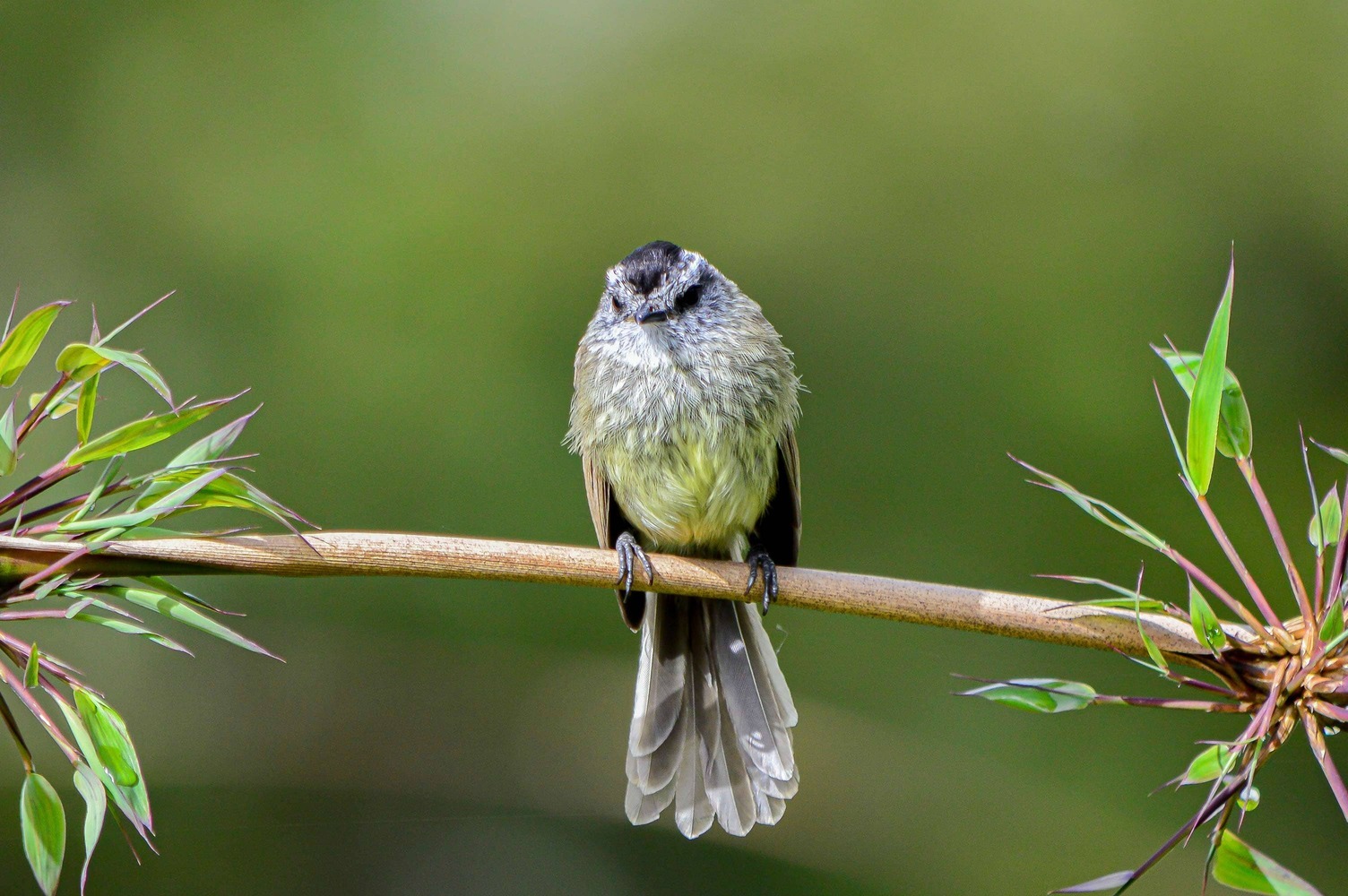
Mountain Caracara, Variable Hawk, Creamy-crested Spinetail (E), Grass-green Tanager, Golden-collared Tanager, Scribble-tailed Canastero, Red-and-white Antpitta (E), Urubamba Antpitta (E), Marcapata Spinetail (E), Taczanowski’s Tinamou, Puna Tapaculo, Moustached Flowerpiercer, Black-faced Brushfinch, among others.
Night may offer Scissor-tailed Nightjar and White-throated Screech-owl.
Night at Wayqecha Biological Station
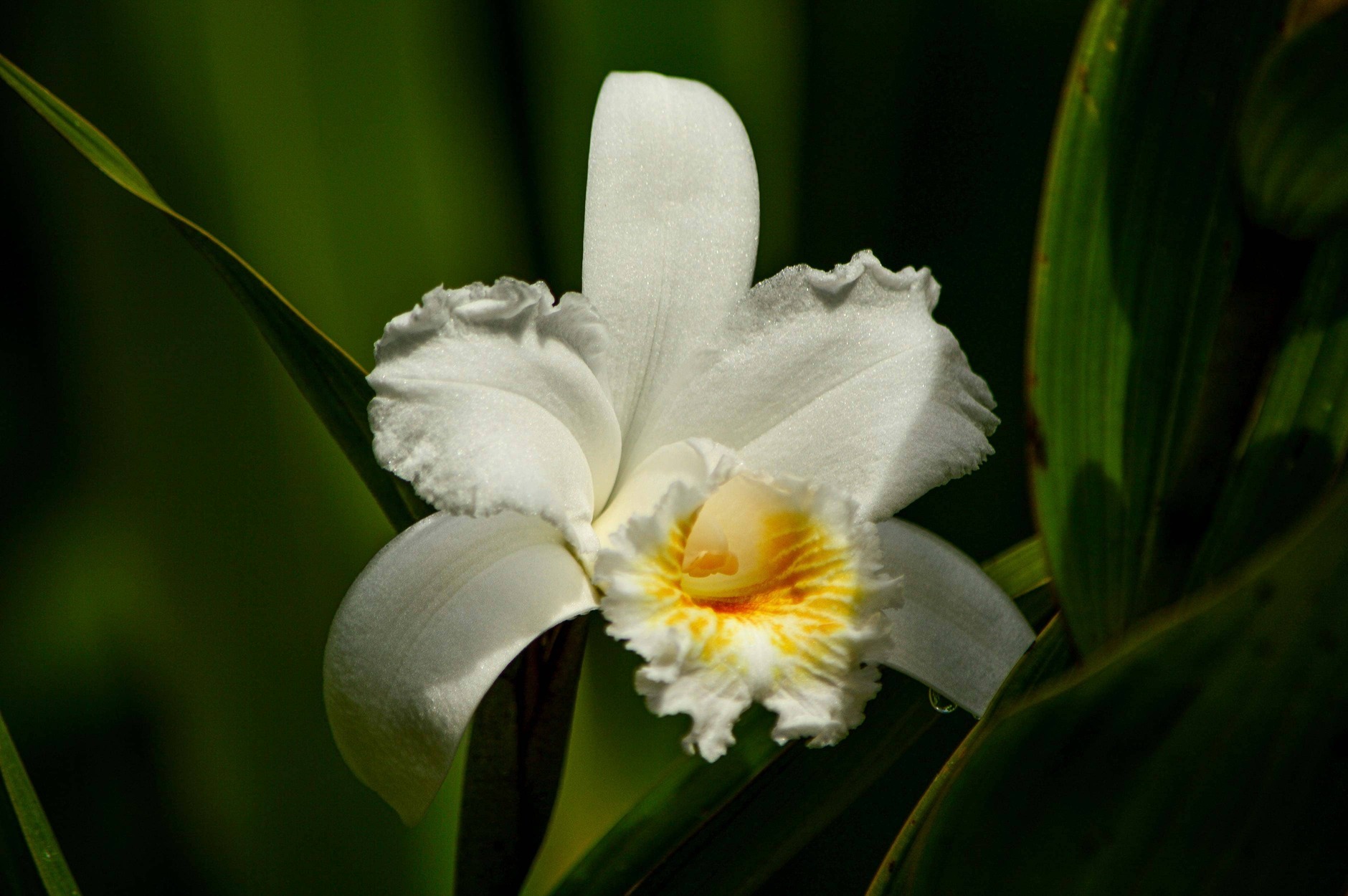
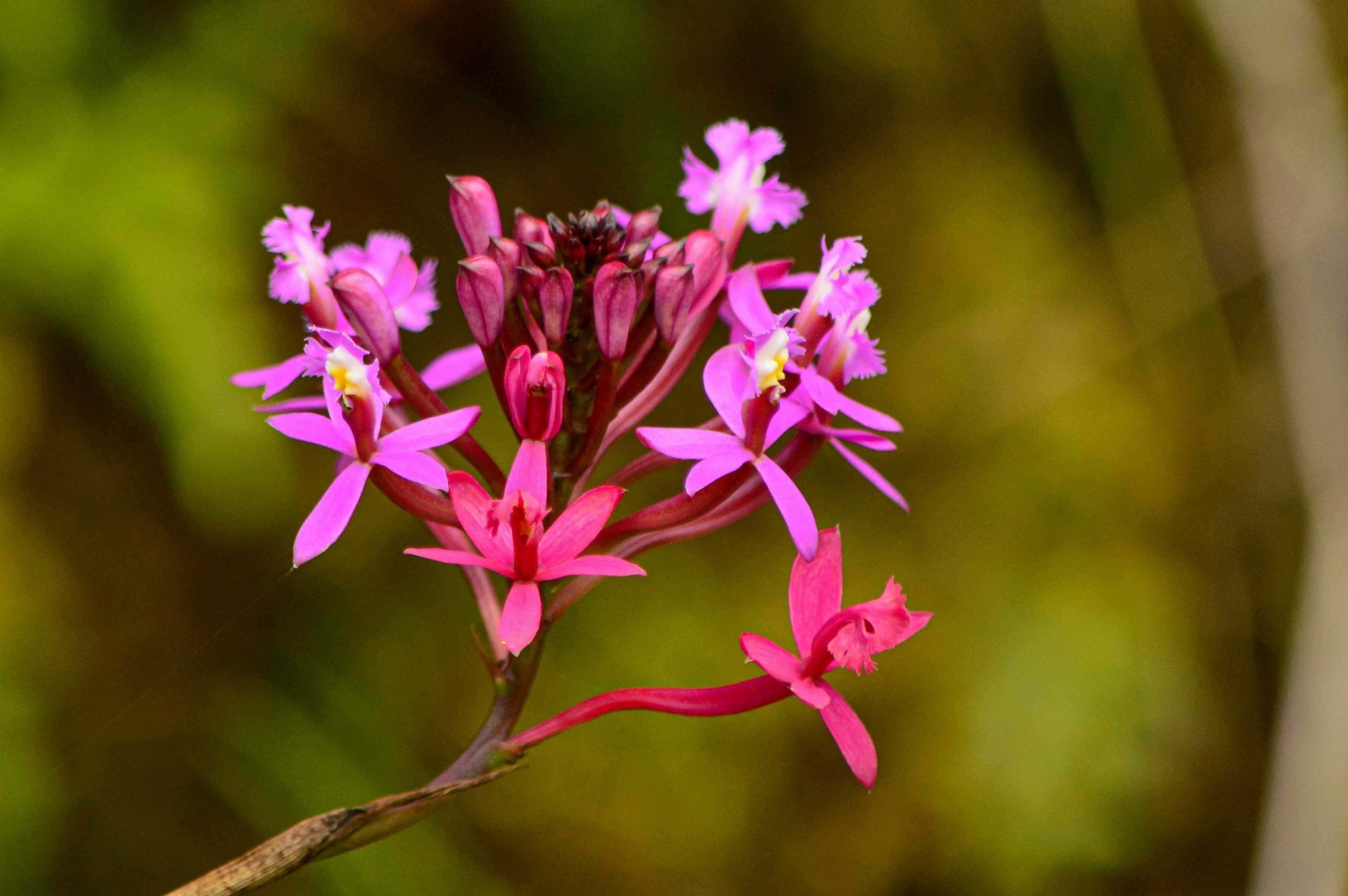
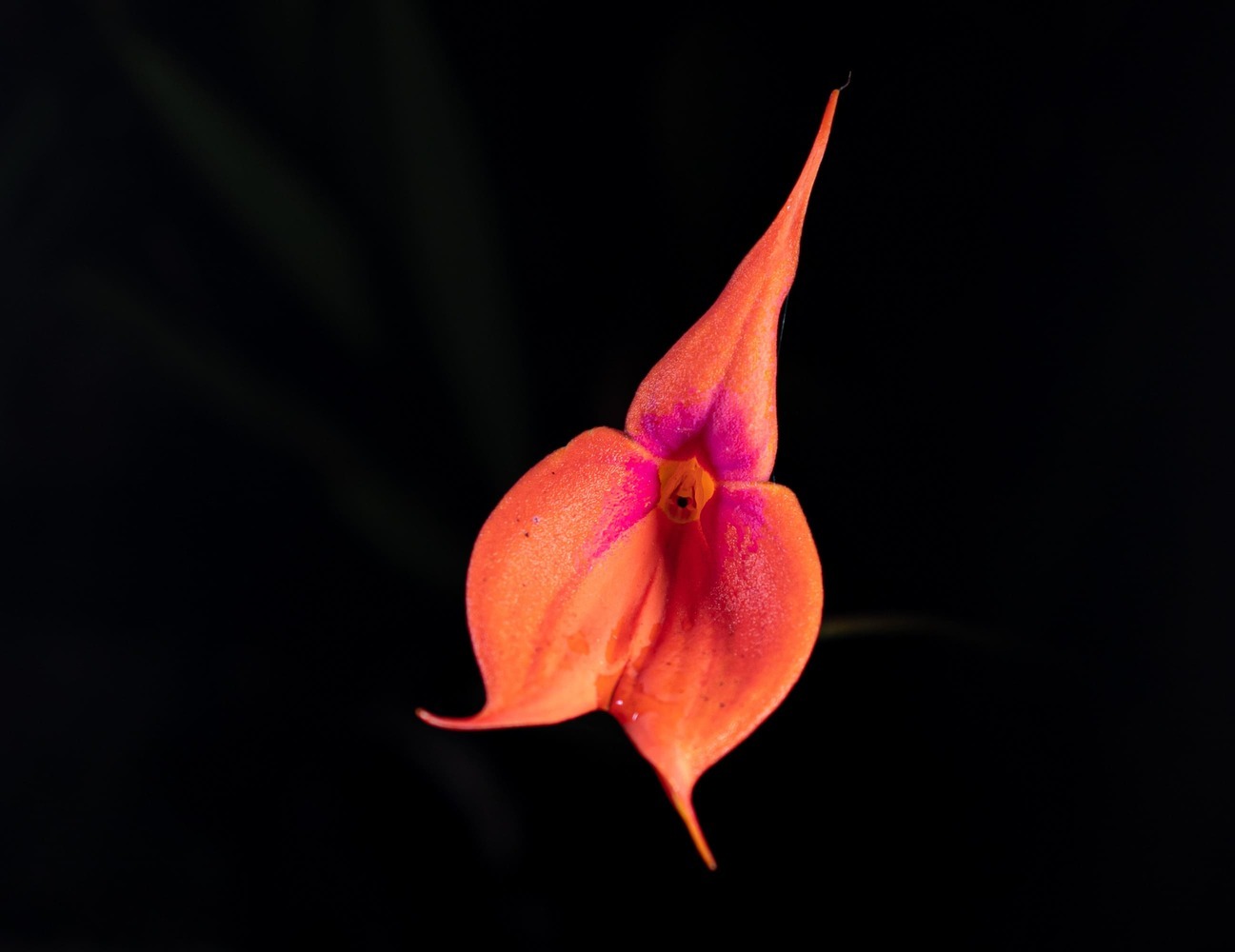
Wayqecha Biological Station is nestled in the mystical elfin forest at 3,000 meters elevation—an ecosystem that remains one of the least understood and most delicate in the tropical Andes. Chilly, humid, and often shrouded in clouds, this habitat offers a unique birding experience, enriched by the presence of orchids, rare mammals, and a high level of endemism.
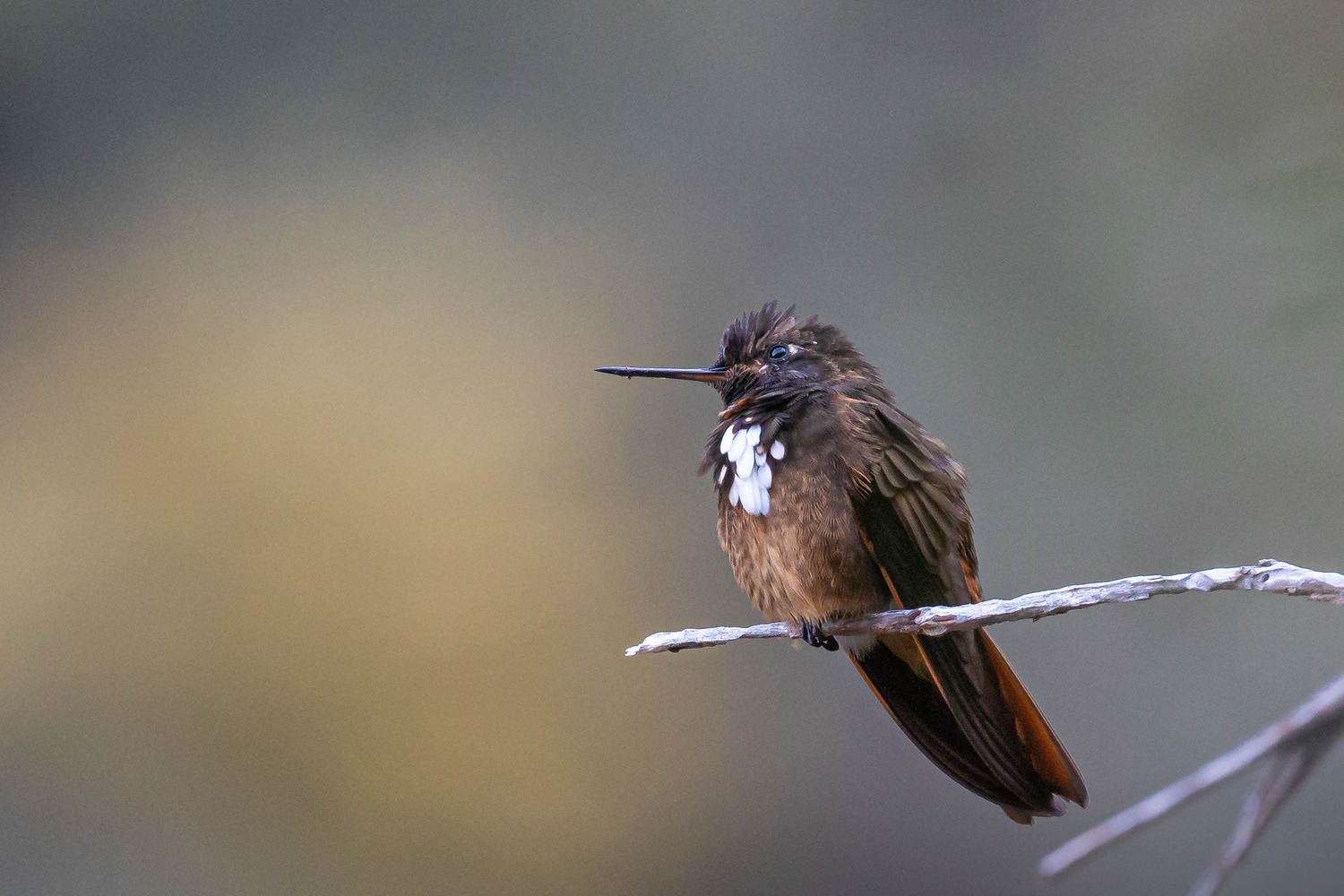
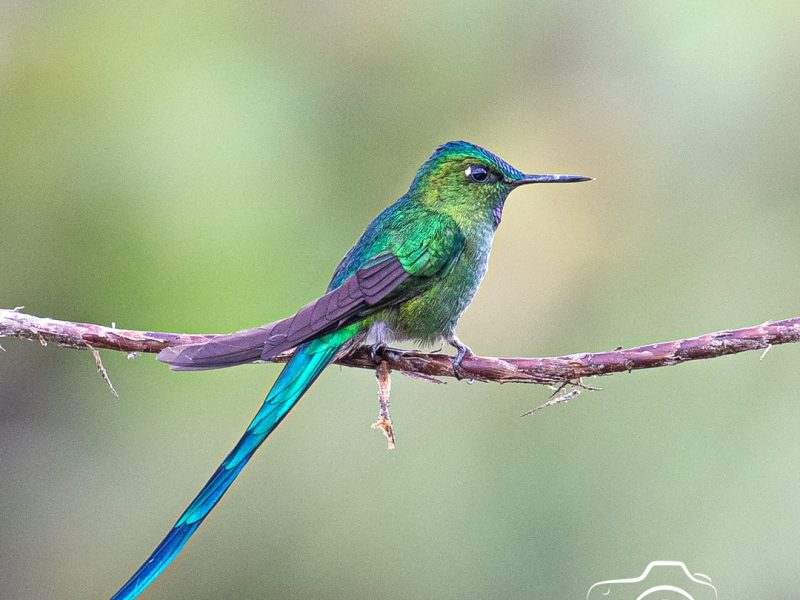
The lodge’s garden regularly attracts beautiful hummingbirds such as:
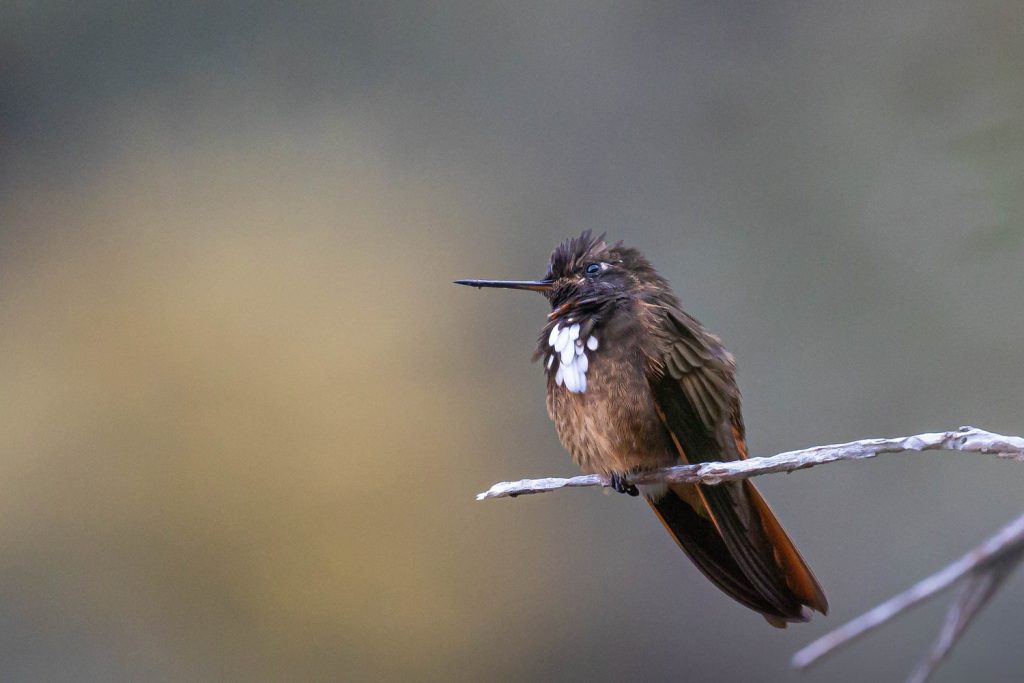
Long-tailed Sylph, Scaled Metaltail, Tyrian Metaltail, Shining Sunbeam, and Cuzco Starfrontlet (E).
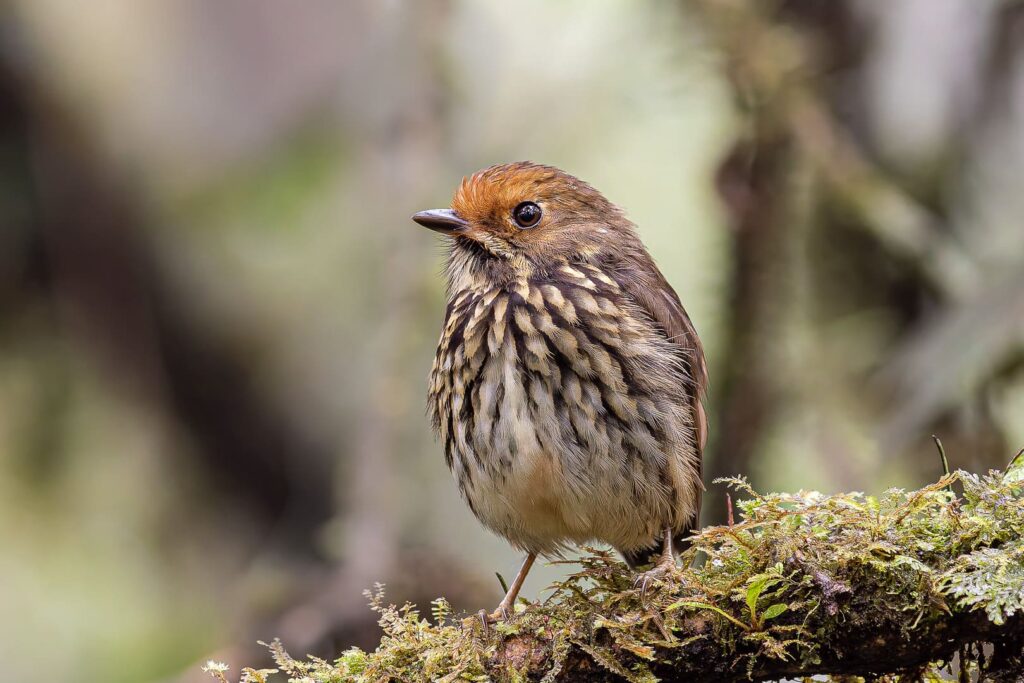
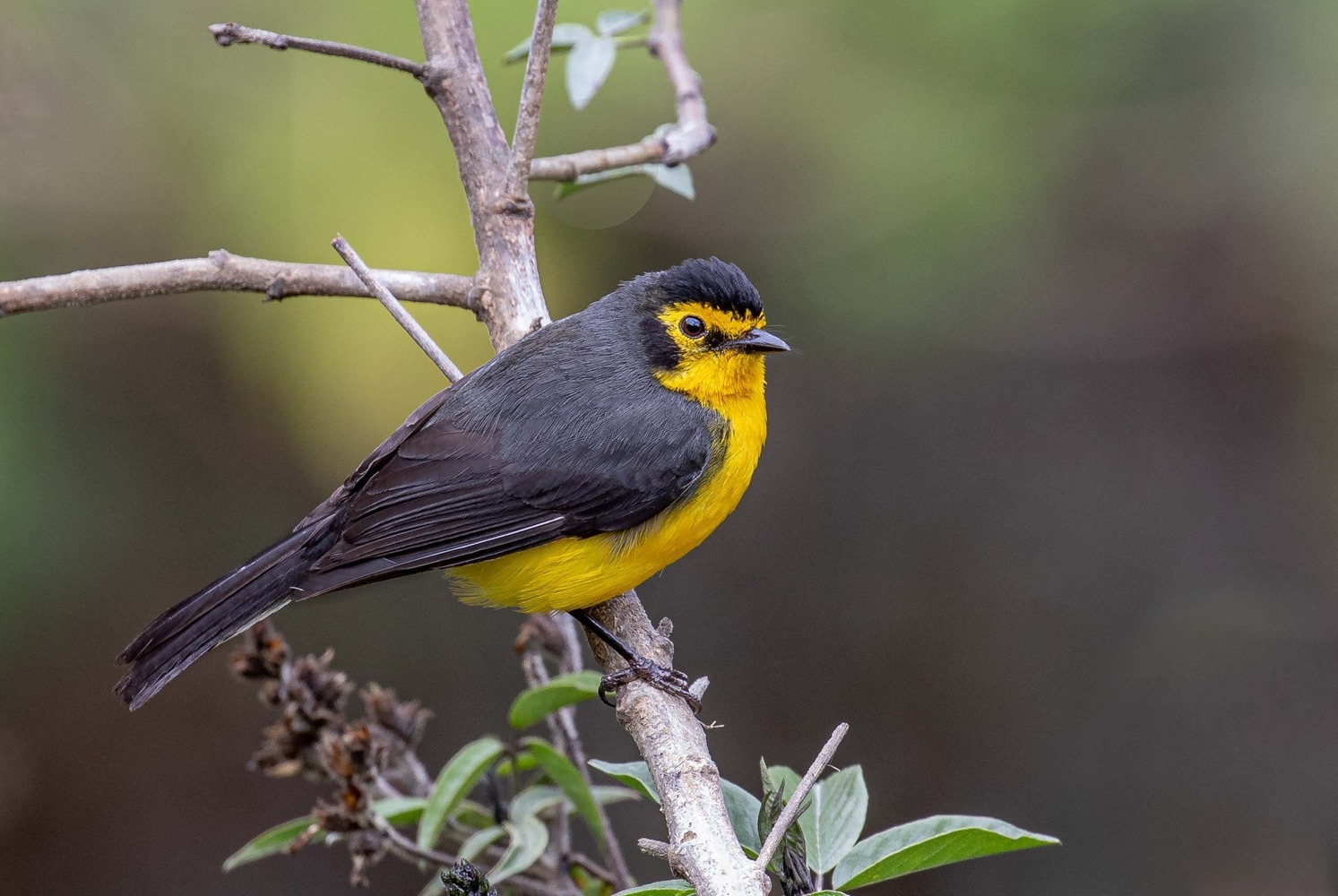
Notable bird species often observed in the area include: Hooded Tinamou, Stripe-faced Wood-Quail, Solitary Eagle, Black-and-chestnut Eagle, Masked Trogon, Crimson-mantled Woodpecker, Puna Thistletail, Marcapata Spinetail (E), Band-tailed Fruiteater, Rufous-backed Treehunter, Red-and-white Antpitta (E), Leymebamba Antpitta, Trilling Tapaculo, White-throated Tyrannulet, White-banded Tyrannulet, among others.
This area is also home to iconic mammals such as the Spectacled Bear and the Culpeo (Andean fox), occasionally seen.
Night at Cock-of-the-Rock Lodge – Cloud Forest Zone
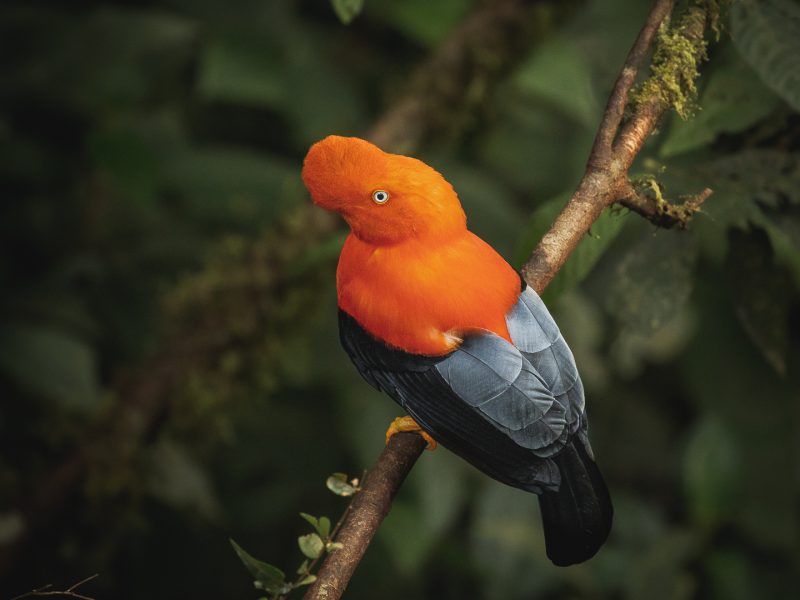
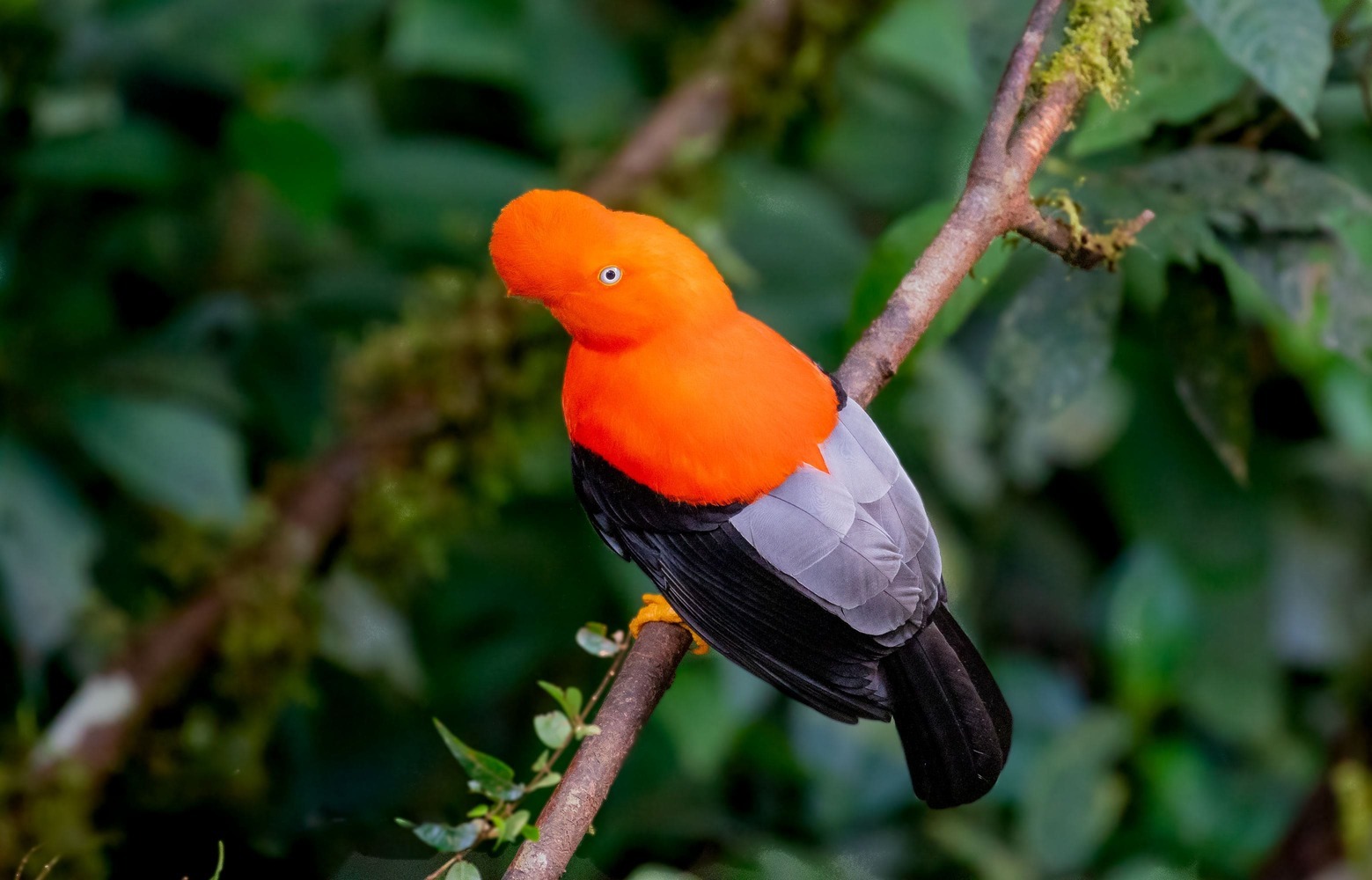
Located at 1,500 meters elevation, San Pedro lies in the heart of the Cloud Forest—warmer, greener, and more comfortable than the higher elevations of Wayqecha. This lush and vibrant habitat offers incredible biodiversity and one of the most unforgettable wildlife spectacles in the region: the Andean Cock-of-the-rock lek.
At dawn, you’ll witness a stunning performance as several vivid red-orange males gather at a traditional display site (lek) to compete for the attention of duller-colored females. A viewing platform is strategically placed for safe and close observation of this natural show.
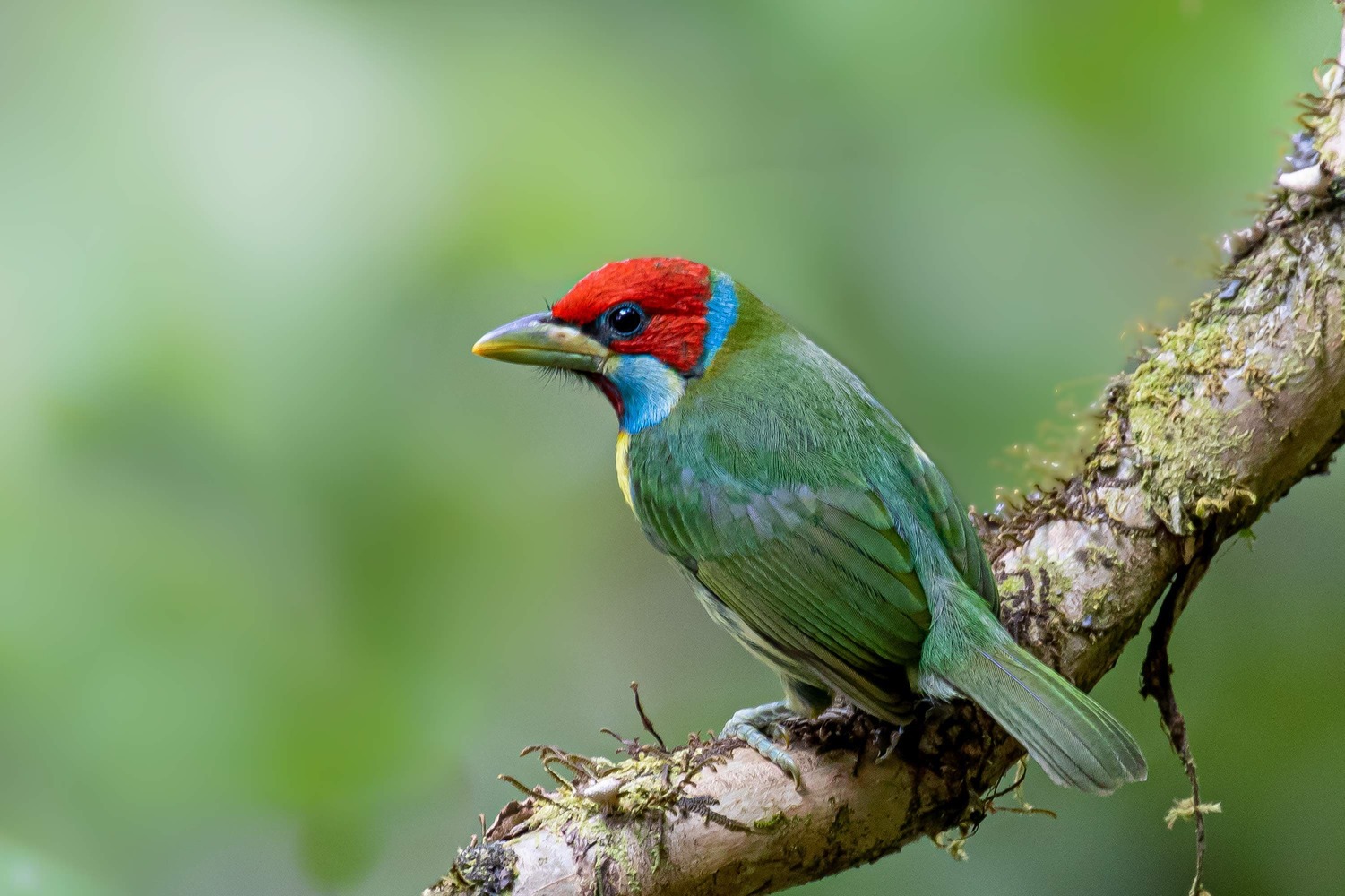
Other cloud forest specialties in the area include: Peruvian Piedtail (E), Cerulean-capped Manakin (E), Brown Tinamou, Rufous-breasted Wood-Quail, Rufescent Screech-Owl, Buff-thighed Puffleg, Rufous-booted Racket-tail, Violet-fronted Brilliant, Speckled Hummingbird, Blue-banded Toucanet, Highland Motmot, Blue-moustached Barbet, White-backed Fire-eye, Stripe-chested Antwren, White-crowned Tapaculo, Maroon-belted Chat-Tyrant, Fulvous-breasted Flatbill, Cinnamon-faced Tyrannulet, Crested Quetzal, Scale-crested Pygmy-Tyrant, Yellow-rumped Antwren, Yellow-breasted Warbling Antbird, Yungas Manakin, , Inca Jay, White-capped Dipper, Andean Solitaire, Two-banded Warbler, Russet-backed Oropendola, along with a large variety of colorful tanagers and mixed flocks.
In addition to birds, mammals such as the Andean Woolly Monkey and Shock-headed Capuchin Monkey can also be seen in this remote region of Manu.
Night at Cock-of-the-Rock Lodge
In the afternoon, we arrive at Manu Biolodge (formerly Villa Carmen), located at 500 m elevation and bordering Manu National Park. This 3,000-hectare private reserve is a hotspot for bamboo specialists, foothill endemics, and Amazonian wildlife.
We’ll explore trails and bamboo patches in search of key species such as:
Rufous-headed Woodpecker, Manu Antbird, Rufous-vented Ground-Cuckoo, White-lined Antbird, White-cheeked Tody-Flycatcher, Bamboo Foliage-Gleaner, Fine-barred Piculet, Scarlet-hooded Barbet, Foothill Antwren, and more.
Lodge trails often yield: Military Macaw, Great Potoo, Rufous-capped Nunlet, Ornate Flycatcher, Fiery-capped Manakin, Yellow-breasted Warbling-Antbird, and Band-tailed Manakin.
Nearby wetlands and rivers may offer:
Hoatzin, Gray-cowled Wood-Rail, Riparian Antbird and Black-billed Seed-Finch.
Hummingbird feeders attract:
Koepcke’s Hermit (E), Rufous-crested Coquette, Pale-tailed Barbthroat, Golden-tailed Sapphire, Sapphire-spangled Emerald, and more.
Additional visitors include King Vulture and Rufous-sided Crake.
Mammals like Night Monkey, Urubamba Titi Monkey, and Spider Monkey are possible.
Nocturnal birding is excellent, with Black-banded Owl, Striped Owl, Tropical Screech-Owl, Tawny-bellied Screech-owl and Common Potoo nearby.
Nights at Manu Biolodge (ex-Villa Carmen)
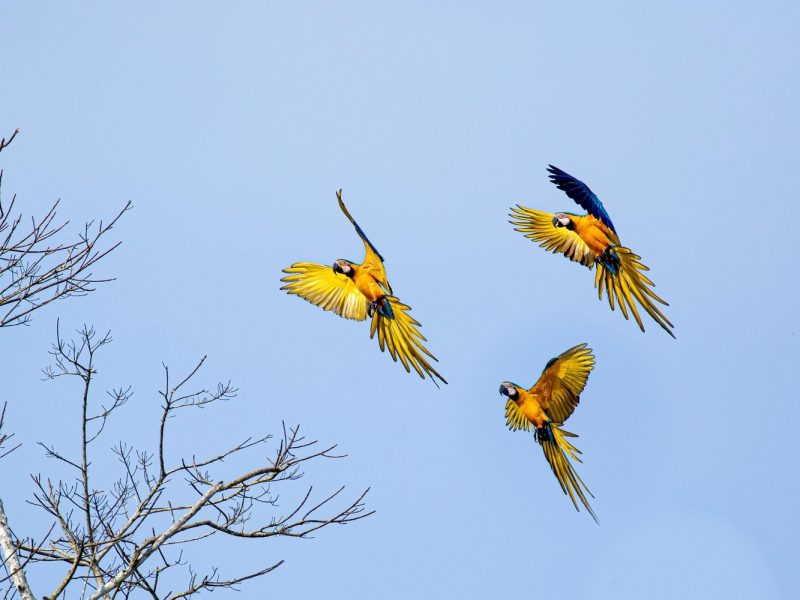
We’ll begin our final morning at Manu Biolodge, birding near the lodge where feeders offer close encounters with species like: Black-capped Tinamou, Little Tinamou, Undulated Tinamou, and Amazonian Antpitta.
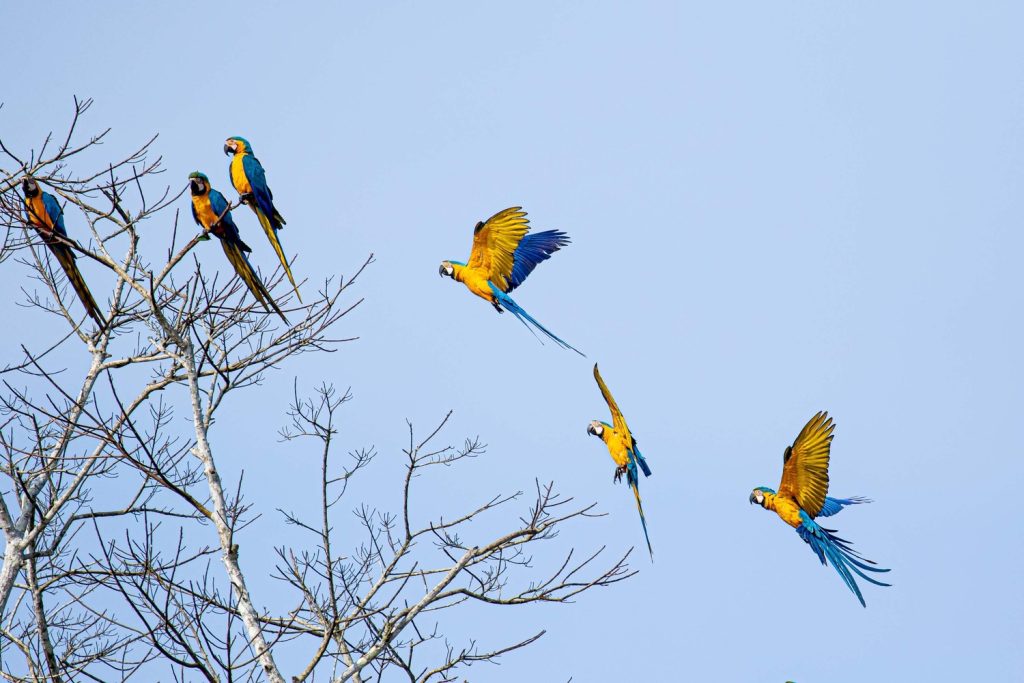
Other key sightings around the lodge may include: Black-backed Tody-Flycatcher (E), White Hawk, Blue-headed Macaw, Military Macaw, Rufous-capped Nunlet, White-lined Antbird, Sooty Antbird, Bamboo Antshrike, Foothill Antwren, Johanne’s Tody-Flycatcher, Mottle-backed Elaenia, , Rusty-belted Tapaculo, and Cuzco Warbler.
After lunch, we’ll begin our journey back up the Andean slope, making birding stops along the way. These may reward us with better views or previously missed.
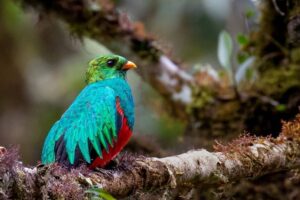
Inca Flycatcher (E), Urubamba Antpitta (E), Cerulean-capped Manakin (E), Yungas Manakin, Crimson-crested Woodpecker, White-backed Fire-eye, Slaty Gnateater, Buff-tailed Sicklebill, , Ochraceous-breasted Flycatcher, Black-throated Tody-Tyrant, Golden-headed Quetzal, Crested Quetzal, and White-collared Jay.
Night at Wayqecha Lodge – Cloud Forest Zone
After an early breakfast and some final trail birding at Wayqecha, we’ll begin our gradual ascent back toward Cusco, making strategic stops along the way for any missed highland species.
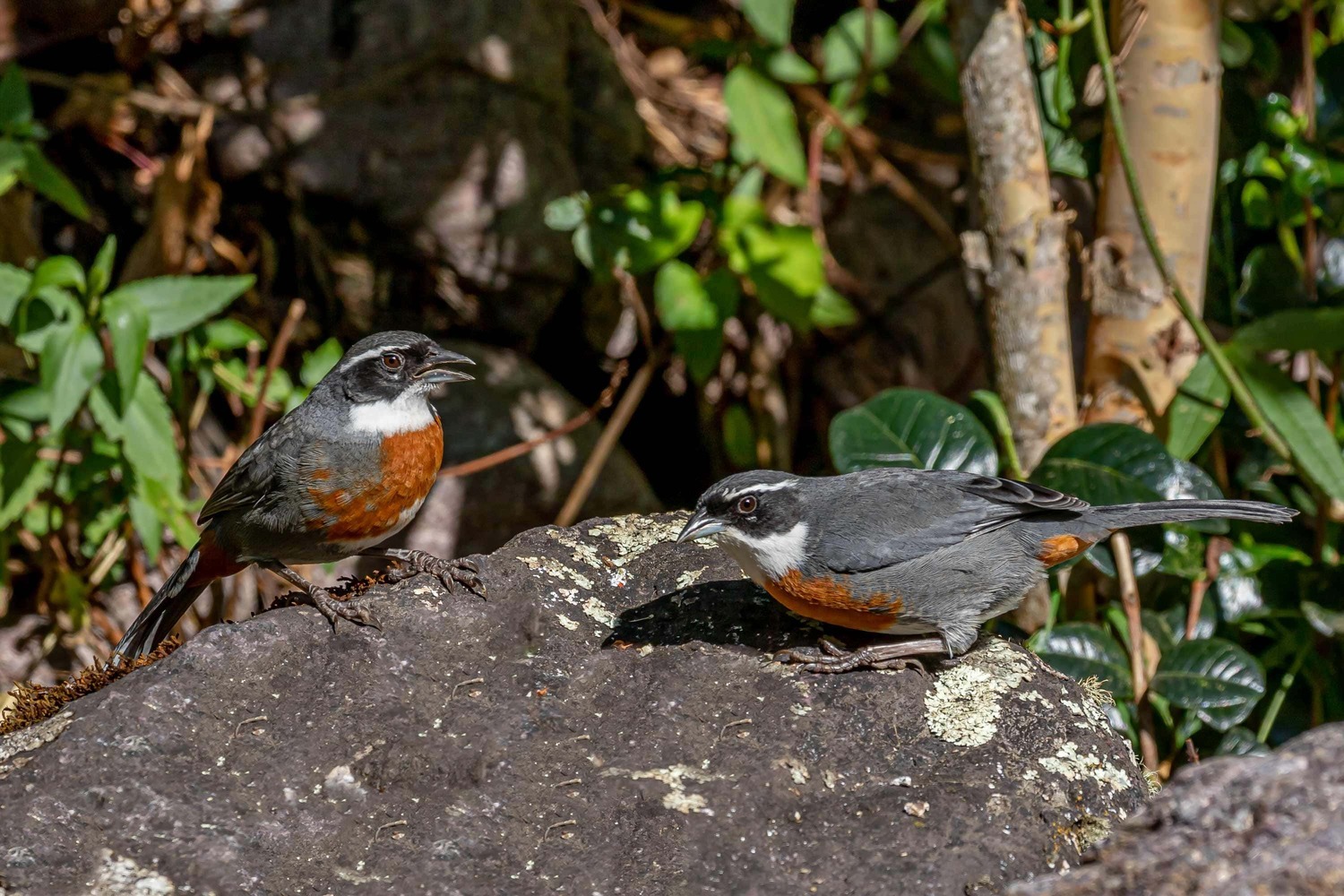
Target birds for the day include: Superciliaried (Urubamba) Hemispingus, Pale-legged Warbler, Black-faced Brush-Finch, Dusky-green Oropendola, Mountain Cacique, Golden-collared Tanager, Puna Thistletail, Trilling tapaculo, Barred Fruiteater, Yungas Pygmy-owl, Black-throated Tody-tyrant.
We aim to arrive to Cusco by mid-afternoon, giving you time to rest.
Night at Casa Andina Catedral (3* superior hotel) – Cusco
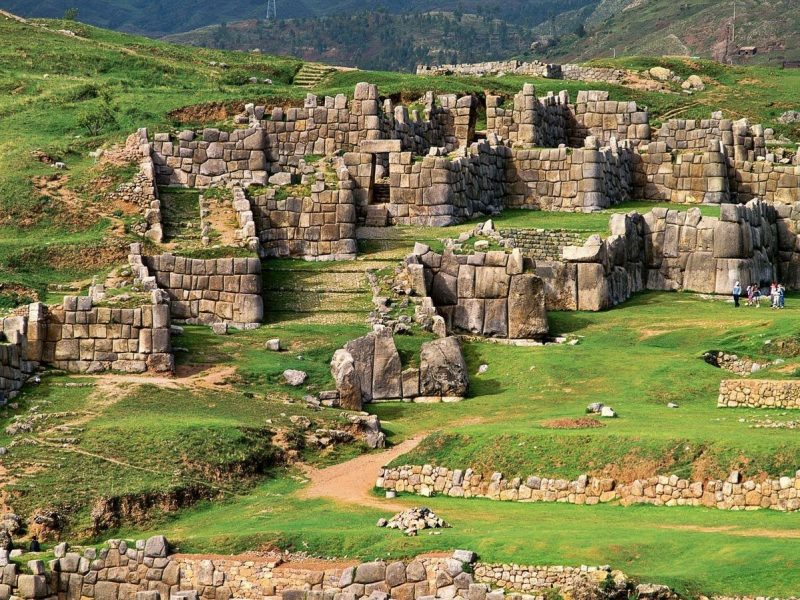
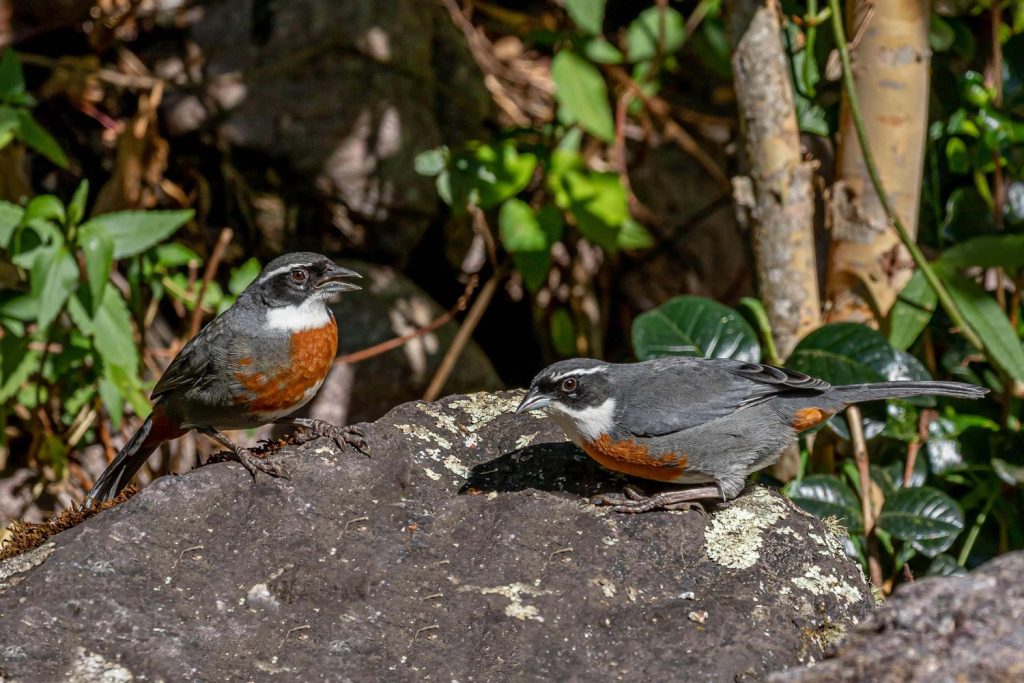
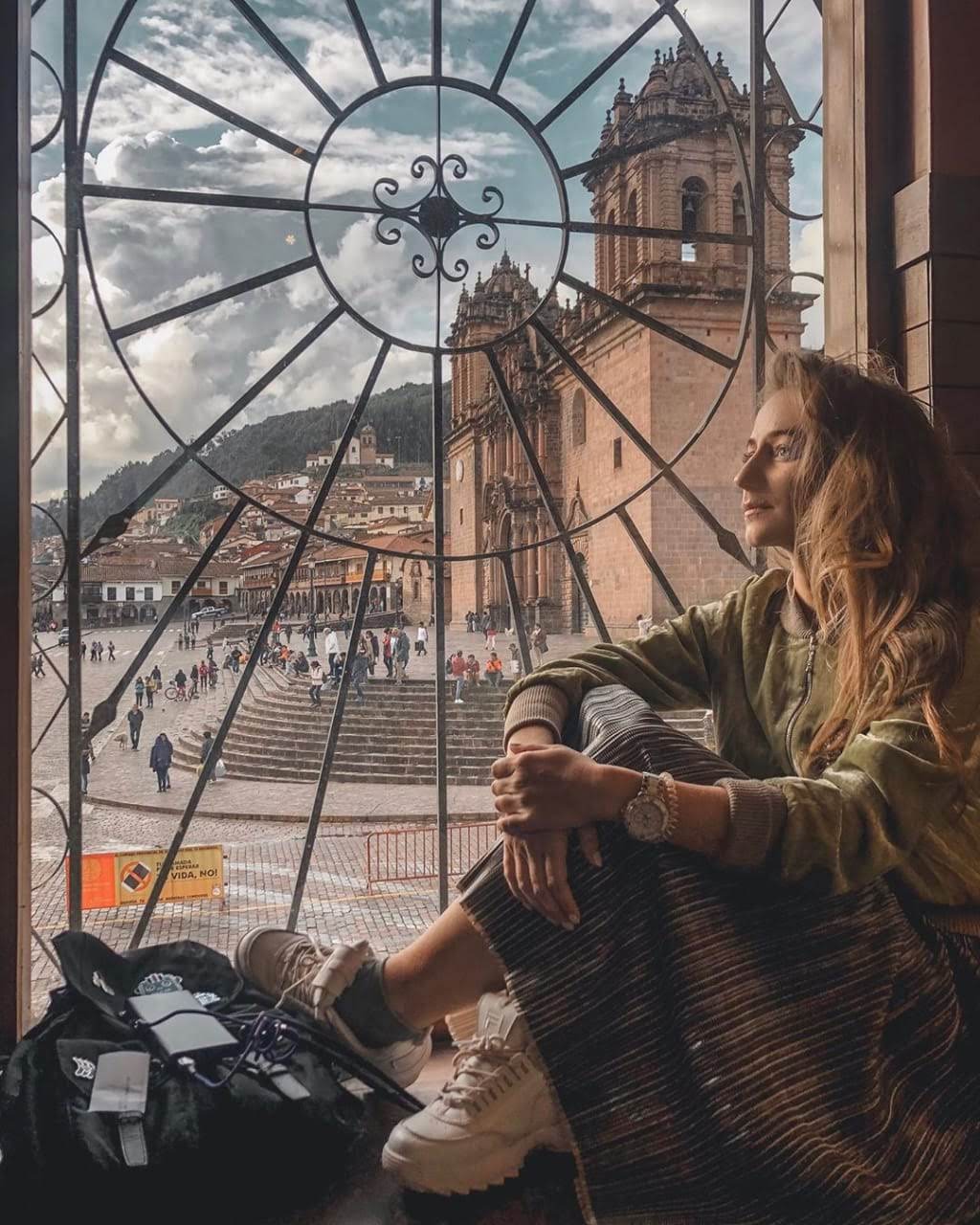
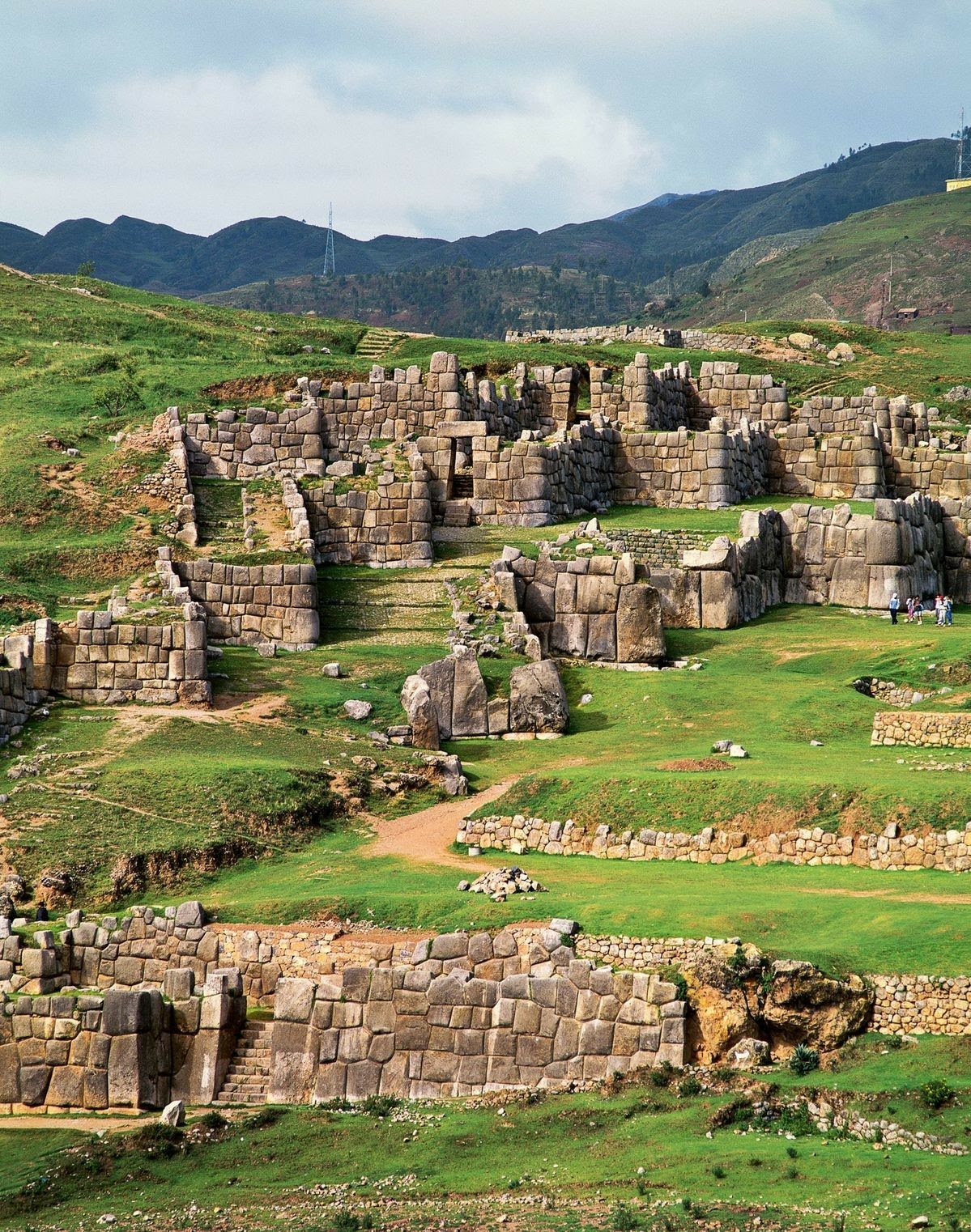
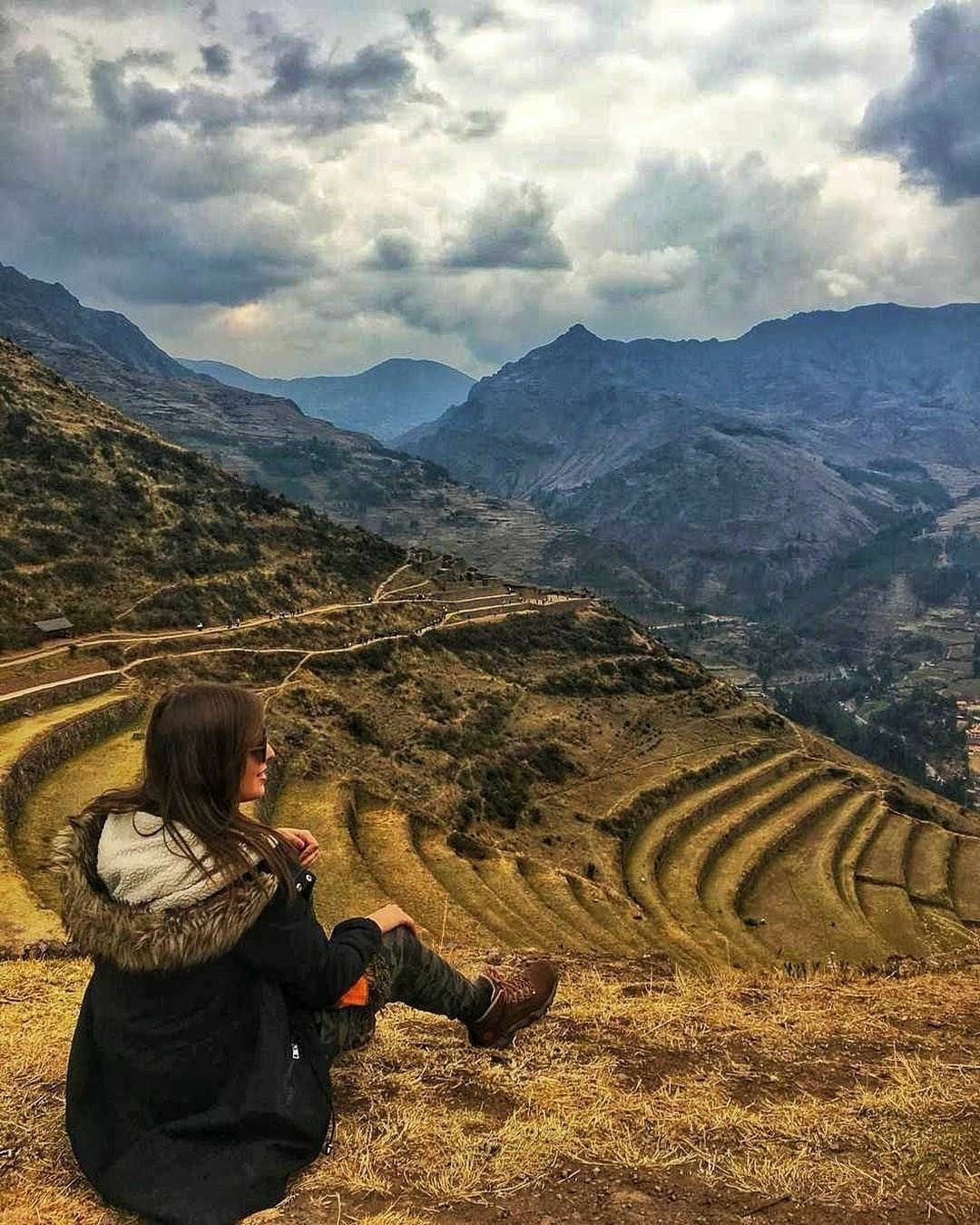
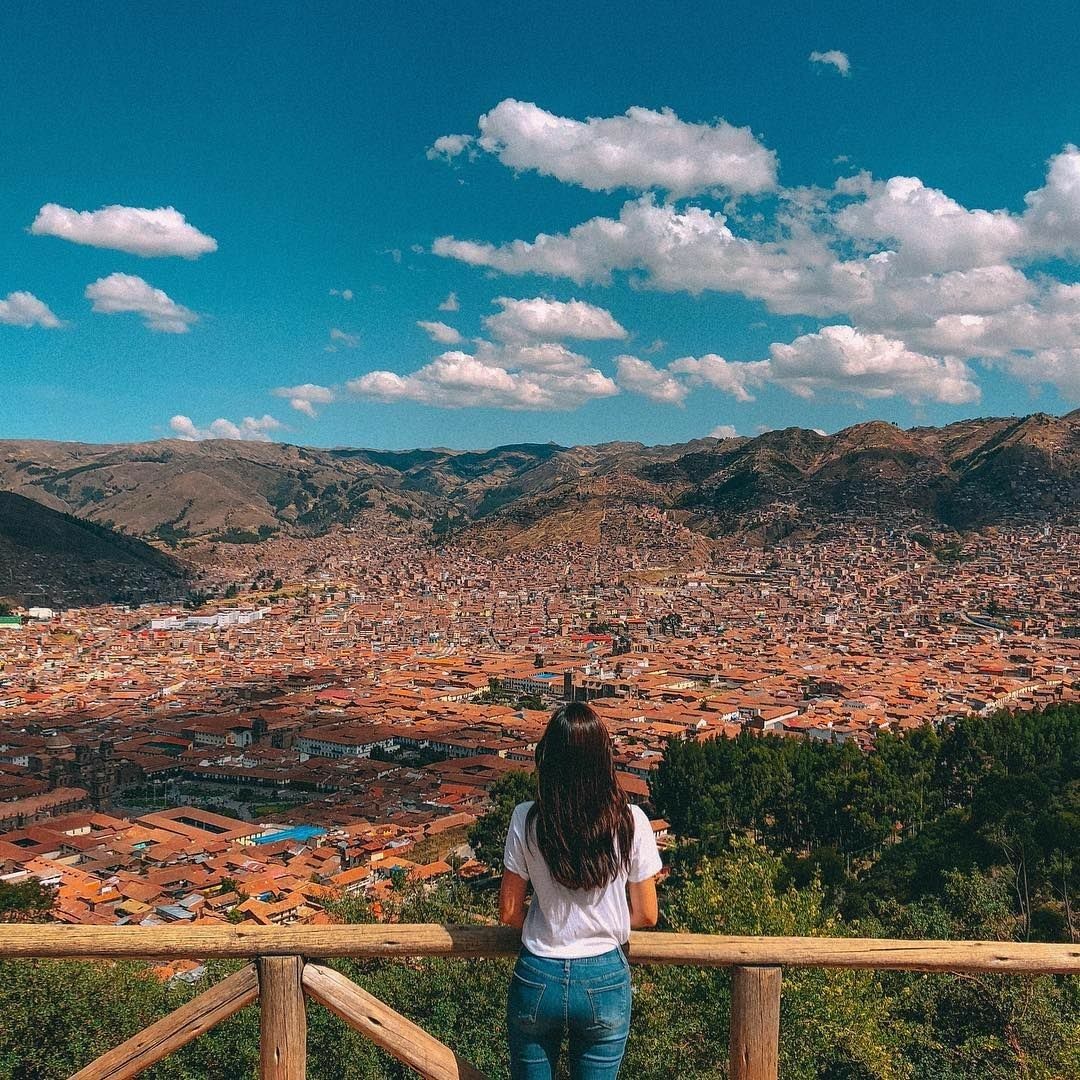
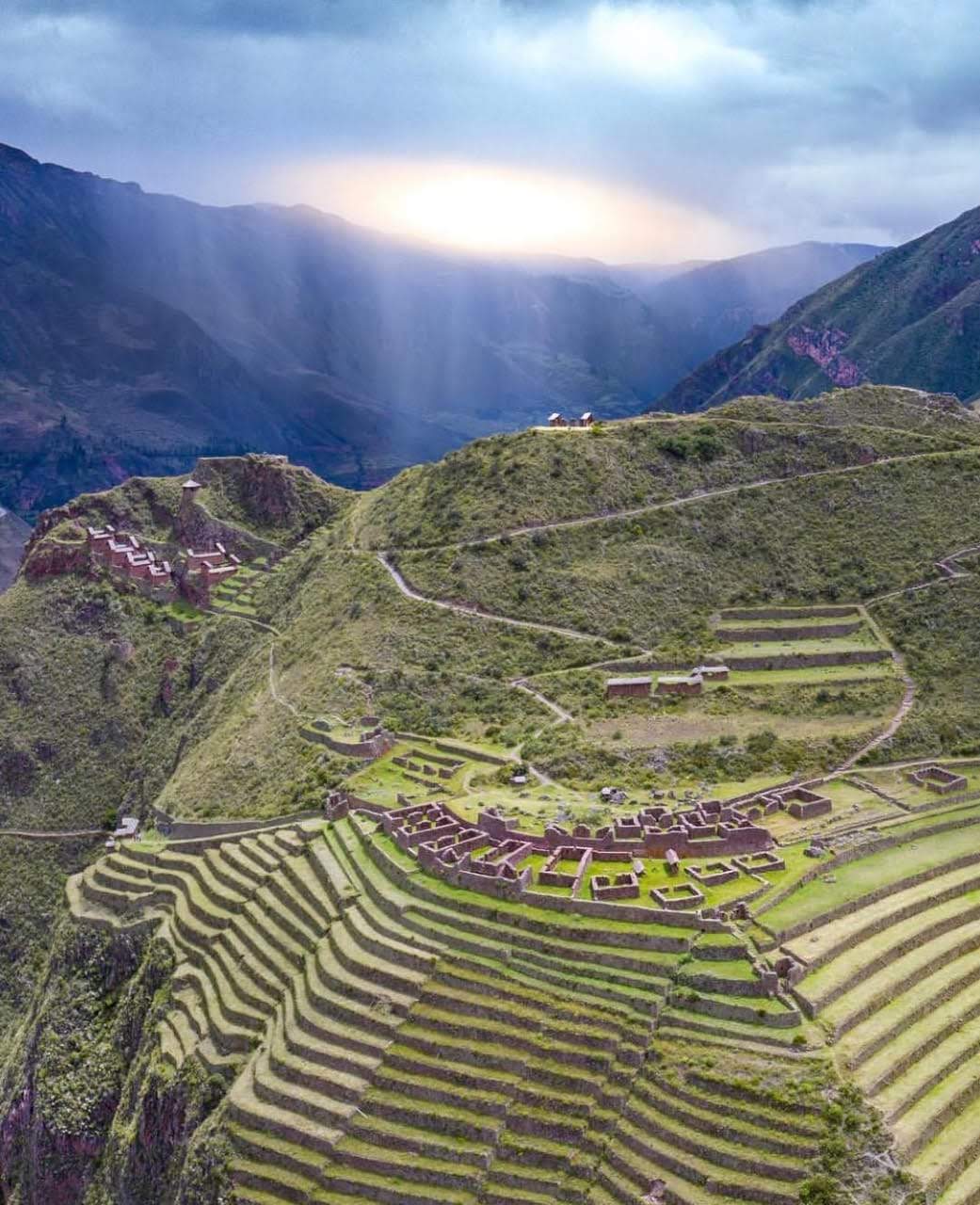
We start our day in Tambomachay, located in the highlands just outside Cusco with two important endemics: Creamy-crested Spinetail (E) and Chestnut-breasted Mountain-Finch (E). Other species include Peruvian Sierra-Finch, Mourning Sierra-Finch, Andean Flicker, Giant Hummingbird. After, we’ll explore the ancient capital of the Inca Empire with visits to two of Cusco’s most remarkable archaeological sites Saqsaywaman – a monumental fortress overlooking the city, built in a jaw-dropping megalithic style that showcases the architectural mastery of pre-Hispanic Peru. Later in the morning we will explore Pisaq, where Bearded Mountaneer (E) use to be frequently found near the Inka terraces.
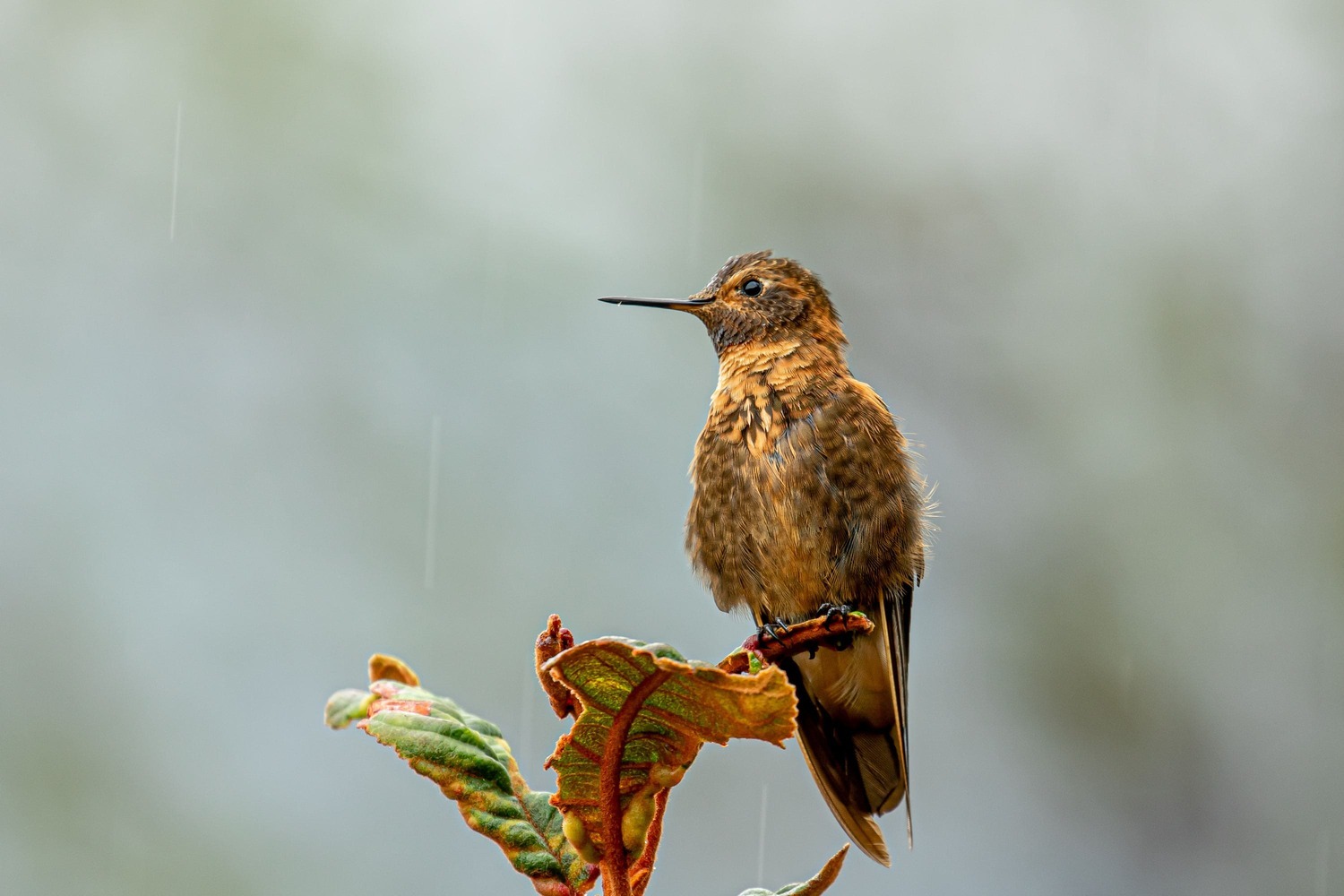
After a lunch in a charming colonial Hacienda we will visit Ensifera, hummingbird feeders. where Sword-billed Hummingbird is residend toguether with Black-tailed Trainbearer, Shining Sunbeam, Red-crested Cotinga, etc.
These sites provide a profound cultural and historical complement to your nature-filled journey.
Night at Inti Punku (3* superior hotel) – Sacred Valley
Today we descend to a unique ecological transition zone makes Machu Picchu one of the most biodiverse archaeological sites in the world.
We’ll take a scenic train ride to Aguas Calientes (Machu Picchu Town), often spotting Torrent Duck and White-capped Dipper along the riverside. Upon arrival, we’ll enjoy some light birding around town, where we may find species such as Green-and-white Hummingbird (E), Highland Motmot, Black-capped Tyrannulet, Bolivian Tyrannulet, Sclater’s Tyrannulet, Variable Antshrike, Andean Solitaire.
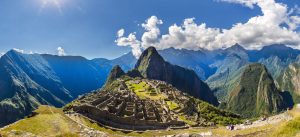
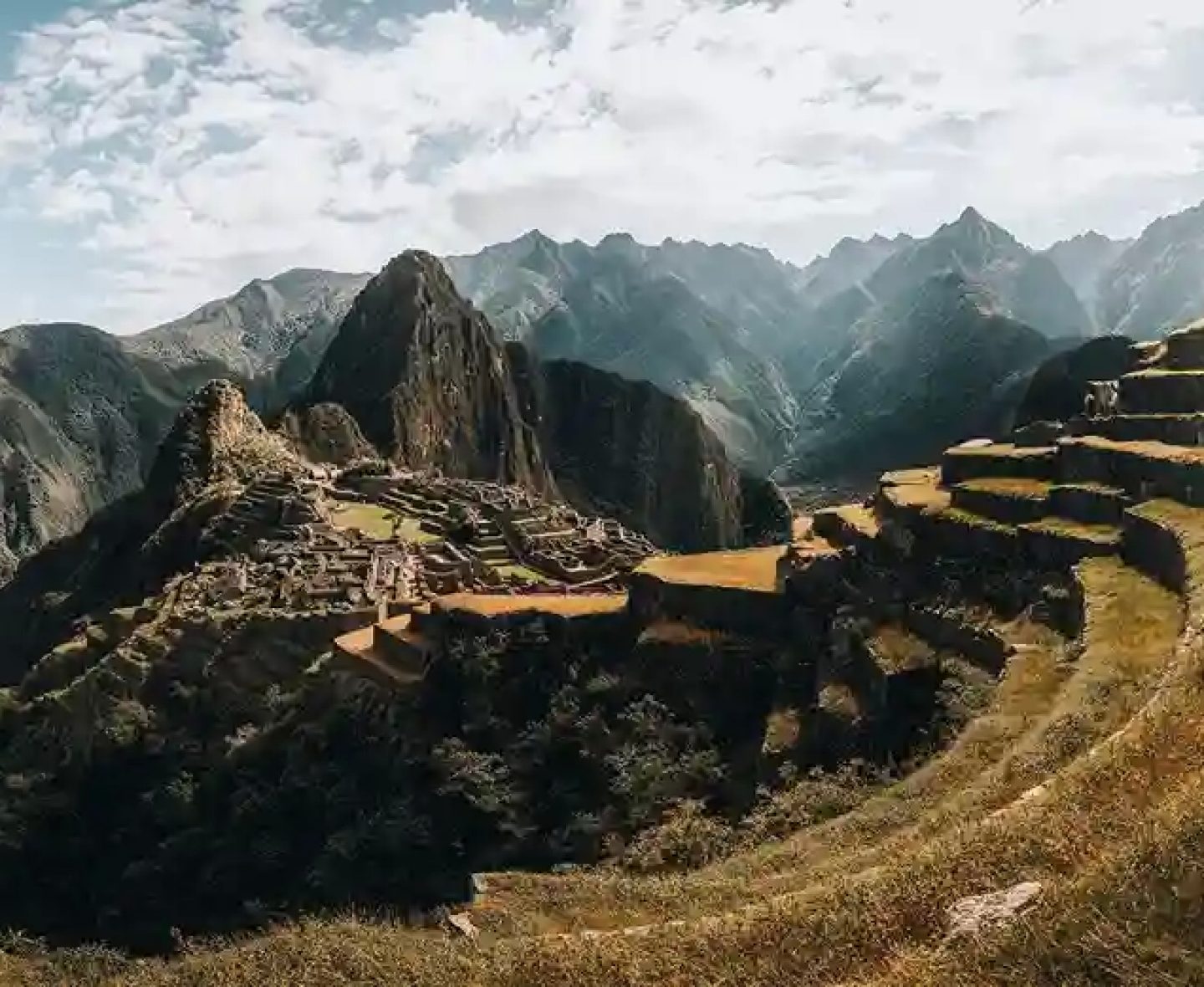
After lunch, a short 20-minute bus ride takes us to the awe-inspiring Machu Picchu Sanctuary—one of the New Seven Wonders of the World. With more than 200 structures spread across 30 hectares of dramatic peaks and terraced slopes, the site is a breathtaking union of Inca architecture and lush subtropical nature.
While exploring the sanctuary, we’ll also keep an eye out for birds such as Inca Wren (E), White-tipped Swift, Ocellated Piculet, and Tricolored Brushfinch, among others.
In the afternoon, we’ll board the return train back to the Sacred Valley, enjoying more scenic views as the sun sets over the Urubamba River.
Night at Inti Punku (3* superior hotel) – Sacred Valley

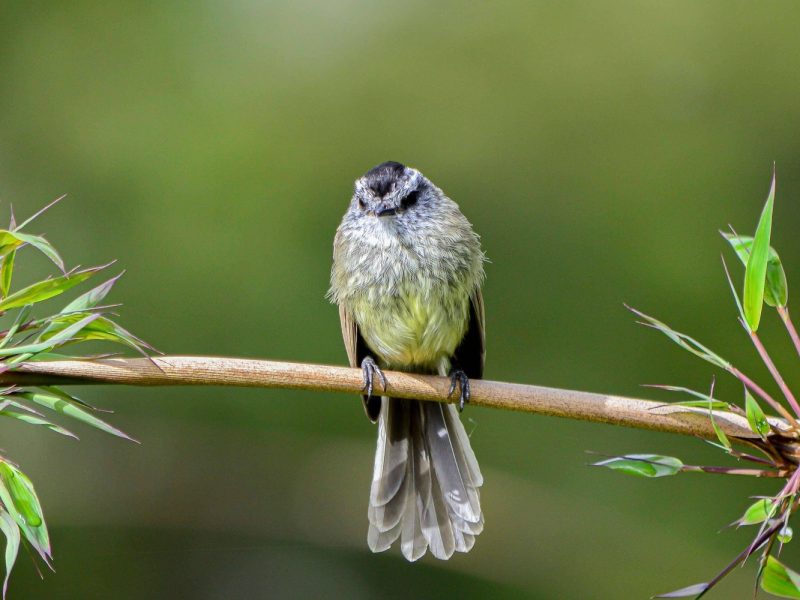
Once described by James Zimmer as "the finest field birder and ornithologist the world had ever seen," Ted Parker expressed a strong preference for this site—one that spans an impressive altitudinal gradient and shelters many rare and range-restricted bird species.
Early in the morning, after a two-hour drive, we’ll begin birding on the eastern slope of the Andes, exploring a mosaic of puna grasslands, elfin forest, and cloud forest. This region is famous for its endemism and productivity.
Target species include: White-tufted Sunbeam (E), Marcapata Spinetail (E), Urubamba Antpitta (E), Parodi’s Hemispingus (E), Unstreaked Tit-Tyrant (E), Inca Wren (E), Junin Canastero (NE), Diademed Tapaculo, Gray-breasted Mountain-Toucan, Scaled Metaltail, Black-capped Hemispingus, Scarlet-bellied Mountain-Tanager, Plushcap, Yellow-billed Cacique, among others.
We’ll enjoy a field lunch surrounded by stunning scenery and will return to the Sacred Valley in the evening for dinner and rest.
Night at Inti Punku (3* superior hotel) – Sacred Valley
The Urubamba River, one of the most important tributaries of the Amazon Basin, carves through the Sacred Valley of the Incas, home to some of Peru’s most breathtaking cultural and natural landscapes.
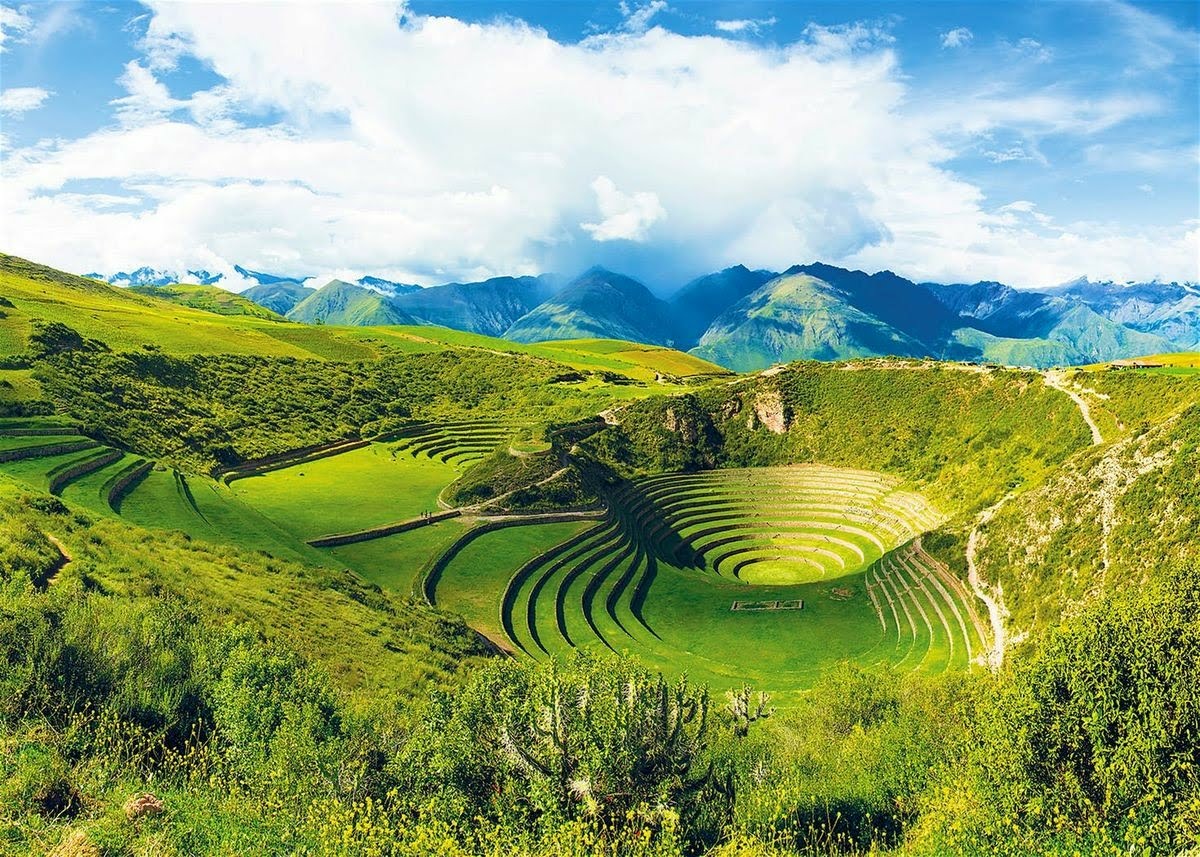
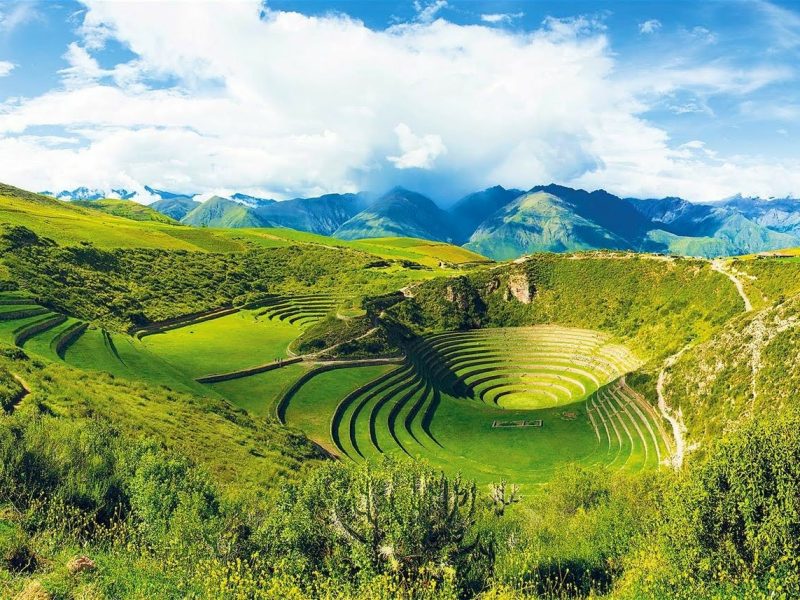
Our day begins with a visit to Moray, a fascinating pre-Hispanic agricultural laboratory composed of concentric terraces that reflect the ingenuity of ancient Peruvian science and architecture. To close the morning, we’ll visit the Maras Salt Mines, a stunning network of terraced salt pools nestled into the mountainside—one of the most unique and photogenic spots in the Andes.
After lunch, we’ll head into the highlands of Chinchero, where we’ll explore several scenic lakes that are excellent for highland waterbirds. Target species include:
Silvery Grebe, Puna Teal, Andean Goose, Short-billed Pipit, Yellow-billed Teal, Cinereous Harrier and others.
Additionally, these wetlands are a stopover for boreal migrants during the austral summer, with chances to see:
Pectoral Sandpiper, Wilson’s Phalarope, Baird’s Sandpiper, and Upland Sandpiper.
Transfer to Cusco hotel or Airport mid afternoon. (If you are leaving Cusco, we suggest booking your flights no earlier than 5pm, that will give us time to complete our last
END OF SERVICES
We board the train in Ollantaytambo, located in the Sacred Valley.
The ride to Aguas Calientes takes approximately 1 hour and 45 minutes.
We travel in the Expedition service 🚆 — a comfortable tourist-class train with panoramic windows and stunning views along the Urubamba River.
Once in Aguas Calientes, we take the shuttle bus up to Machu Picchu.
This is primarily a birding tour, with most of each day focused on birdwatching in cloud forests, Andean foothills, and iconic hotspots like the Manu Road. 🐦
However, we also visit some of the most breathtaking archaeological sites in the world, such as:
Machu Picchu Sanctuary
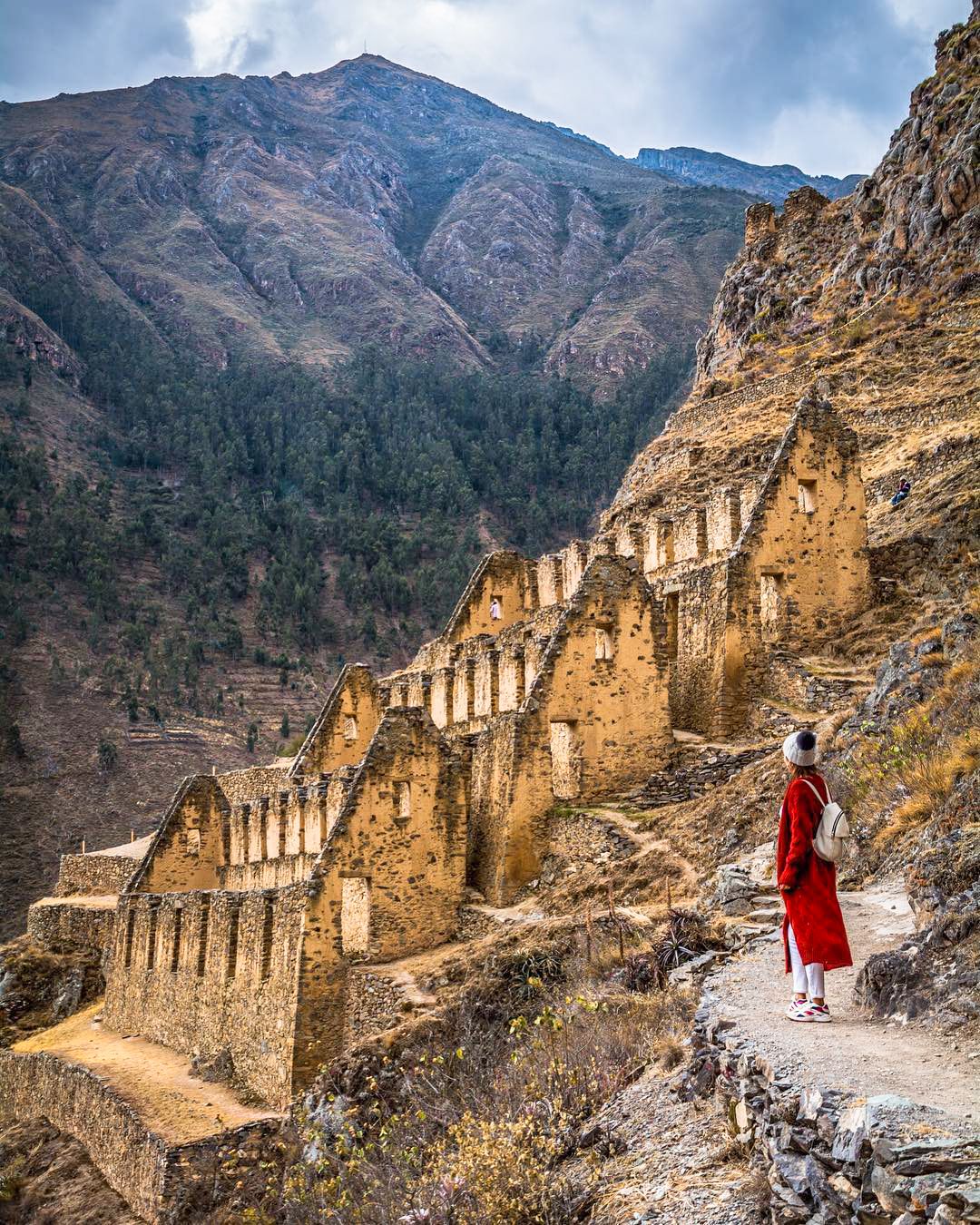
The ruins of Pisac, Ollantaytambo, and Saqsaywaman
A walking tour through historic Cusco
📜 These visits include cultural and historical interpretation and serve as enriching complements to the birding — many archaeological zones are also biodiversity hotspots.
✅ Yes, all airport pickups, drop-offs, and land transfers are included:
Arrival and departure transfers in Cusco
All transport between birding sites and lodges
Train tickets to/from Machu Picchu
You don’t need to worry about transportation logistics — we handle it all for you.
The longest walks are during forest birding on Manu Road and at Machu Picchu, lasting up to 3–4 hours at a slow birding pace.
Our car will be close to us in most of our hikes in case of rain or fatigue.
Trails are very confortable but may be muddy, rocky, or include gentle slopes and stairs.
👟 We recommend waterproof hiking boots and, if needed, walking poles for stability.
The longest drive is from Cusco to Wayqecha Lodge, taking 5 hours, including several stops for birding and lunch.
Manu Road includes curvy mountain roads and scenic landscapes.
Other drives, such as those to Ollantaytambo or Huacarpay, are shorter (1–2 hours).
We stay in birding lodges and 3-star superior hotels, selected for their:
Comfort
Birding access
Local character
Lodging may include:
Wayqecha Lodge (Cloud Forest Biological Station)
Manu Biolodge (formerly Villa Carmen)
Pakaritampu in Ollantaytambo (3*** superior hotel)
Casa Andina Catedral in Cusco (3*** superior hotel)
Yes, the tour offers full-board service.
Included: Breakfast, lunch, snacks, and dinner are provided during travel days (except for the first breakfast and last dinner).
Dietary Needs: Let us know in advance if you have any special dietary requirements.
This tour covers a wide range of altitudes:
Cusco & Sacred Valley: 2,800–3,400 m (9,200–11,000 ft)
Abra Málaga: Over 4,000 m (13,000 ft)
Manu Road & Cock-of-the-Rock: 1,200–2,800 m (4,000–9,200 ft)
Machu Picchu: ~2,430 m (7,970 ft)
🌬️ The itinerary includes acclimatization time to ease altitude adjustment.
We keep our groups small for a high-quality, personalized experience.
👤 Maximum: 2–6 participants per fixed departure / up to 8 participants for private tours.
Yes — all hotels and lodges provide electricity.
⚠️ Some remote lodges have limited electricity only in the common areas.
🔋 Bring a power bank or extra camera batteries for flexibility.
⚡ Peru uses 220V/60Hz electricity, but most modern electronics (phones, cameras, laptops) are dual-voltage (100–240V), so they work fine.
🔌 Outlets often accept both flat (Type A/B) and round (Type C) plugs. It’s a good idea to bring a universal adapter just in case.
Get the Yellow Fever vaccine 💉 if you are traveling to lowland jungle areas or extending your trip into the Amazon basin.
For this tour, it’s not mandatory, but recommended as a precaution — especially for Manu Road.
We suggest packing light and smart for this trip.
Recommended:
🎒 A daypack for daily outings
🧳 A carry-on-sized suitcase or duffel bag
Larger luggage is accepted, but since we change lodges frequently, lighter packing makes transitions much easier.
There is no strict weight limit, but efficient packing is highly encouraged. See more about What to pack for a birdig trip.
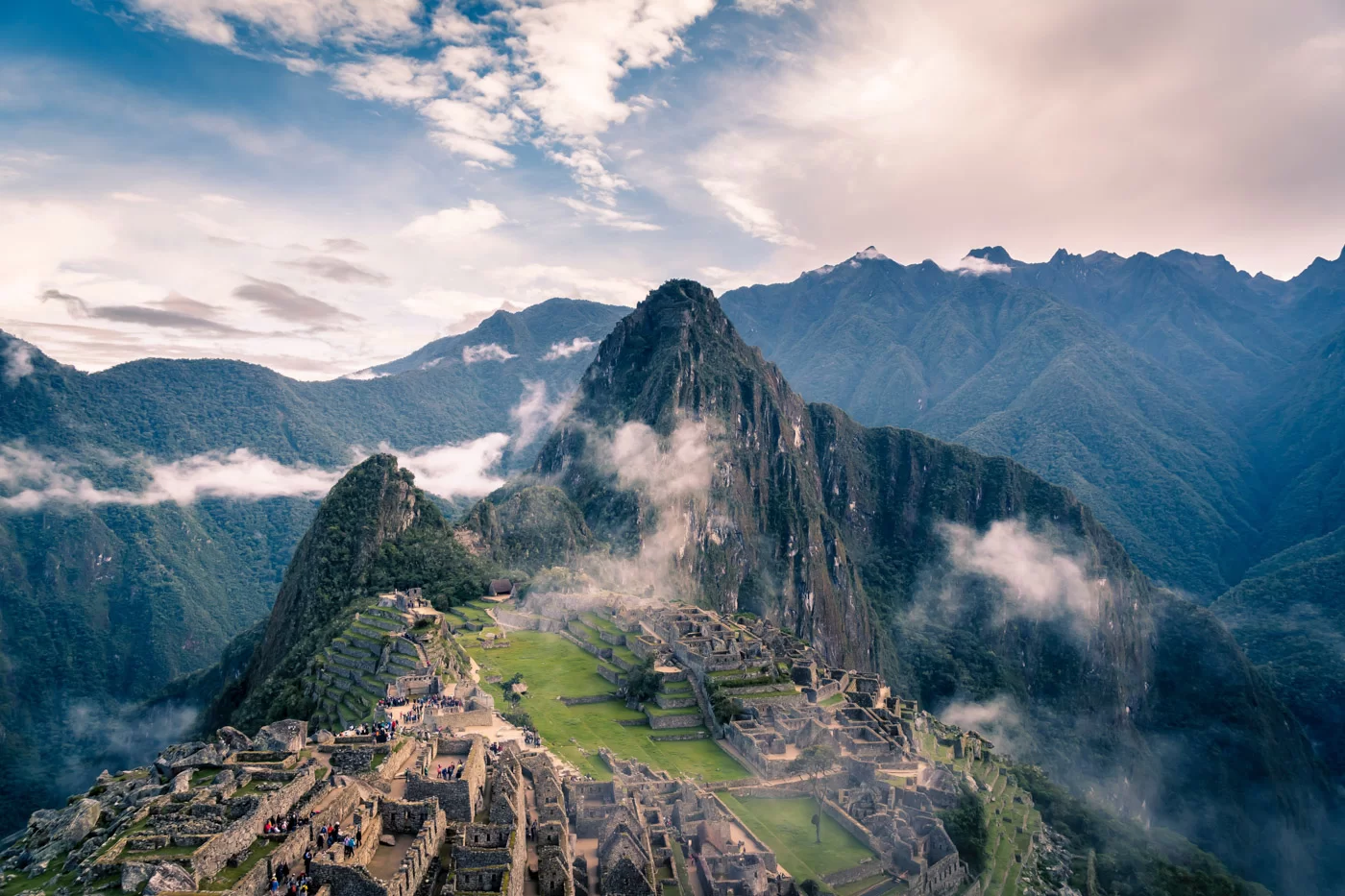
The most most outstanding aspects of Peru in a week. Including accesible birding in remote areas, impressive Inca monuments like Machupicchu and Manu Park counted as the most biodiverse place on earth. Representing the essence of the country.
Culture and Nature !!

The most most outstanding aspects of Peru in a week. Including accesible birding in remote areas, impressive Inca monuments like Machupicchu and Manu Park counted as the most biodiverse place on earth. Representing the essence of the country.