Birding in Pucusana – Discovering the Seabirds of Peru’s Pacific Coast
Where the Desert Meets One of the World’s Richest Oceans
When birders think of Peru, their minds often turn to the Amazon rainforest, Andean cloud forests, or the spectacular hummingbirds of the eastern slopes. Yet, just south of Lima lies a completely different birding experience—one that introduces visitors to some of the most remarkable seabirds of the Pacific Ocean.
Welcome to Pucusana, a small fishing village surrounded by dramatic rocky cliffs, sheltered coves, and the cold, nutrient-rich waters of the Humboldt Current.
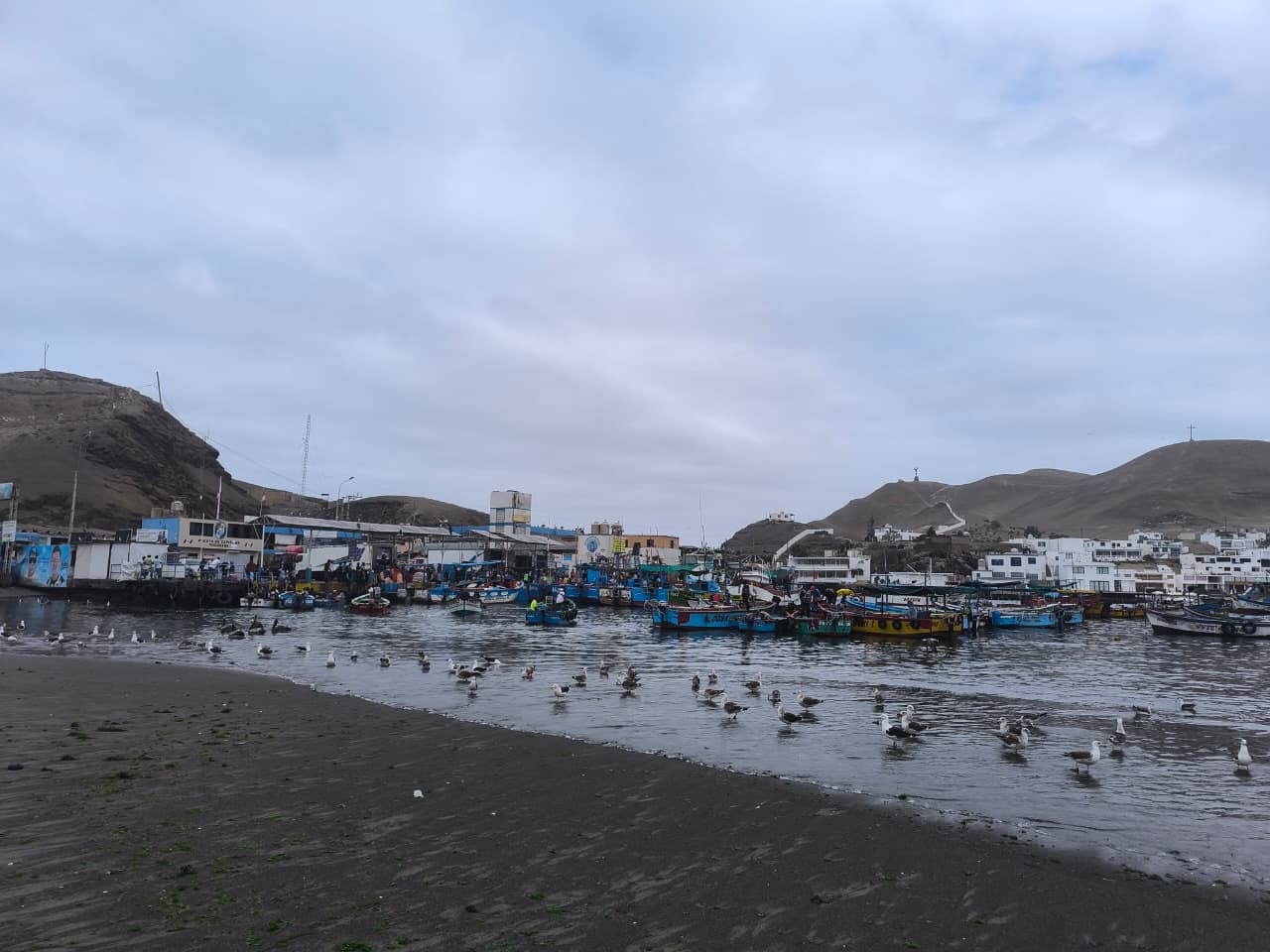
At first glance, Pucusana might seem like an ordinary coastal town. Colorful fishing boats fill the harbor, fishermen prepare their daily catch, and pelicans wait patiently along the waterfront. But look a little closer, and you’ll discover why this place has become an essential stop for birdwatchers visiting Peru.
Inca Terns fly overhead, their distinctive white facial plumes standing out against dark gray feathers. Red-legged Cormorants rest on narrow cliff ledges, while Humboldt Penguins emerge from rocky crevices or swim through the surrounding waters.
And the best part? You don’t need to spend days at sea to experience this extraordinary birdlife.
A short boat trip around Pucusana’s sheltered bay and nearby rocky islands can provide memorable encounters with many of Peru’s most characteristic seabirds.

Why Pucusana Should Be on Every Birder’s List
Pucusana offers something that can be difficult to find elsewhere: excellent opportunities to observe marine birds at relatively close range without undertaking a lengthy offshore expedition.
Here, birds are part of the everyday landscape. Pelicans gather around the fishing harbor, cormorants occupy the rocky coastline, and Inca Terns move between cliffs and fishing boats.
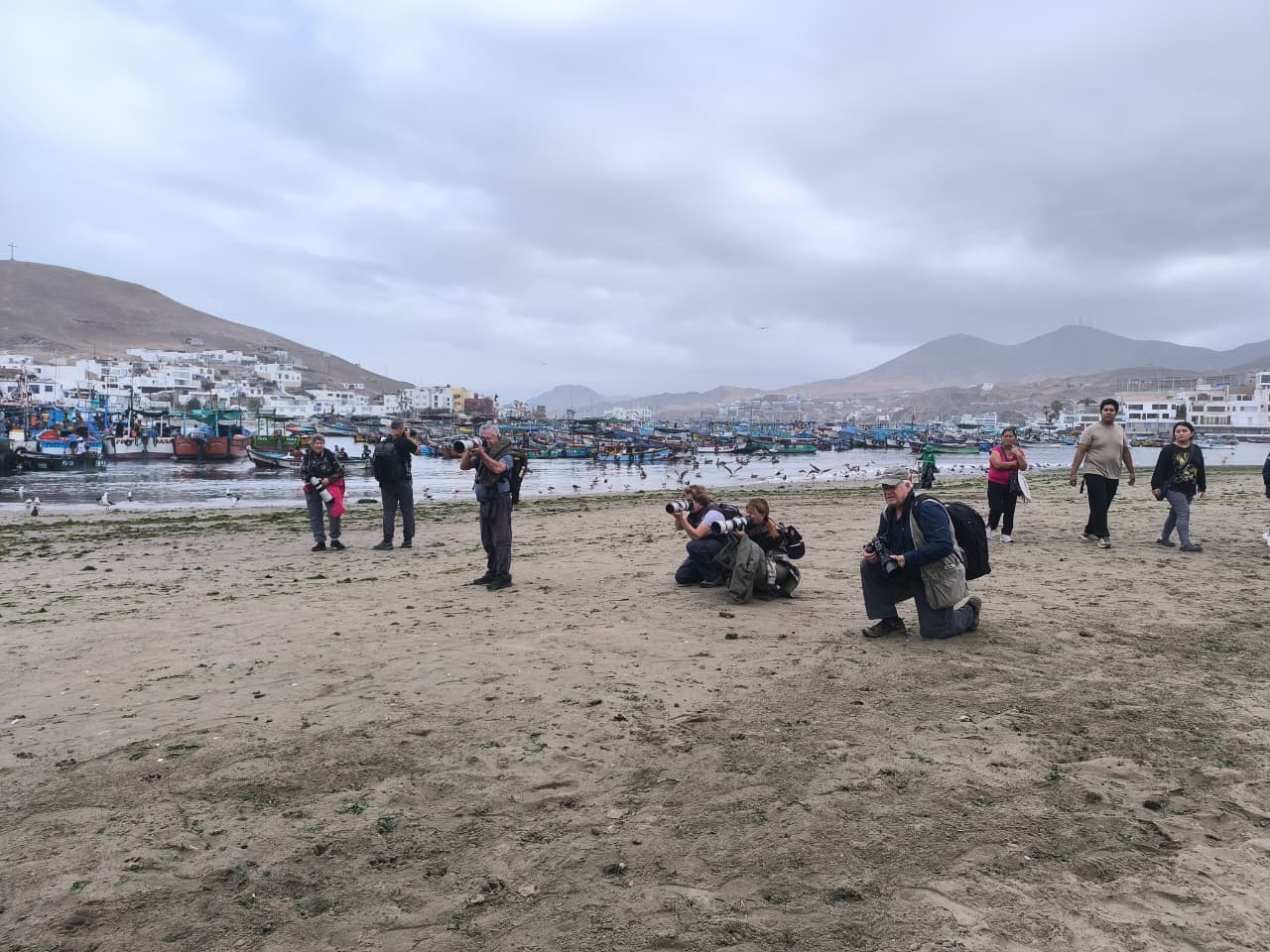
For photographers, the scenery and bird activity can be particularly rewarding.
For dedicated birders, Pucusana provides an opportunity to observe a distinctive collection of species associated with the Humboldt Current, including several that are difficult to encounter far from the Pacific coast of South America.
A Quick Look at Pucusana
- Location: Approximately 60 km (37 miles) south of Lima, Peru.
- Elevation: Sea level.
- Habitats: Rocky coastlines, offshore islets, sheltered bays, sandy shores, and open Pacific waters.
- Key species: Inca Tern, Humboldt Penguin, Red-legged Cormorant, Guanay Cormorant, Peruvian Booby, Peruvian Pelican, and Surf Cinclodes.
- Birding style: Primarily boat-based, with additional observations around the harbor and shoreline.
- Physical effort: Easy, although boarding a small boat requires basic mobility.
- Recommended duration: Half-day for Pucusana alone or a full day when combined with Pantanos de Villa.
The Humboldt Current – The Secret Behind Pucusana’s Extraordinary Birdlife
A Cold Ocean Full of Life
One of the most fascinating things about birding in Pucusana is understanding why so many seabirds gather along this seemingly dry and inhospitable coastline.
The answer lies beneath the surface of the Pacific Ocean.
The Humboldt Current, also known as the Peru Current, carries cold water northward along the western coast of South America. Coastal winds and ocean circulation promote upwelling, bringing nutrient-rich waters from deeper parts of the ocean toward the surface.
These nutrients support enormous populations of phytoplankton, which form the foundation of one of the world’s most productive marine ecosystems.
Small schooling fish, especially Peruvian anchoveta (Engraulis ringens), feed within this productive food web. In turn, they provide a vital food source for seabirds, marine mammals, and larger predators.
This exceptional productivity explains why Peru’s coastline supports such impressive populations of pelicans, boobies, cormorants, and other marine wildlife.
The Famous Guano Birds of Peru
Historically, three seabirds have played an especially important role in Peru’s coastal ecology and economy:
- Guanay Cormorant (Leucocarbo bougainvilliorum)
- Peruvian Booby (Sula variegata)
- Peruvian Pelican (Pelecanus thagus)
These species are commonly referred to as Peru’s guano birds because their nesting colonies produced enormous deposits of nutrient-rich guano, once an important agricultural fertilizer and export commodity.
Their populations also provide valuable information about the health and productivity of the Humboldt Current ecosystem.
At Pucusana, visitors can observe these remarkable birds in the environment that has shaped their ecology for thousands of years.
An Ocean That Changes with the Climate
Marine bird populations and their distribution are closely linked to ocean conditions.
During strong El Niño events, warmer surface waters can reduce nutrient availability and alter the distribution of anchoveta and other prey.
These changes can affect seabird feeding behavior, breeding success, and the number of individuals visible along the coast.
For birdwatchers, this means that Pucusana is a dynamic destination. The species and numbers encountered may vary from one season or year to another, making every visit a little different.
The Must-See Birds of Pucusana – Peru’s Coastal Specialties
Pucusana is not primarily about recording an enormous species list. Its real value lies in the opportunity to observe a distinctive group of marine birds, many of them highly specialized for life along the Pacific coast.
Here are some of the species that make this destination particularly rewarding.
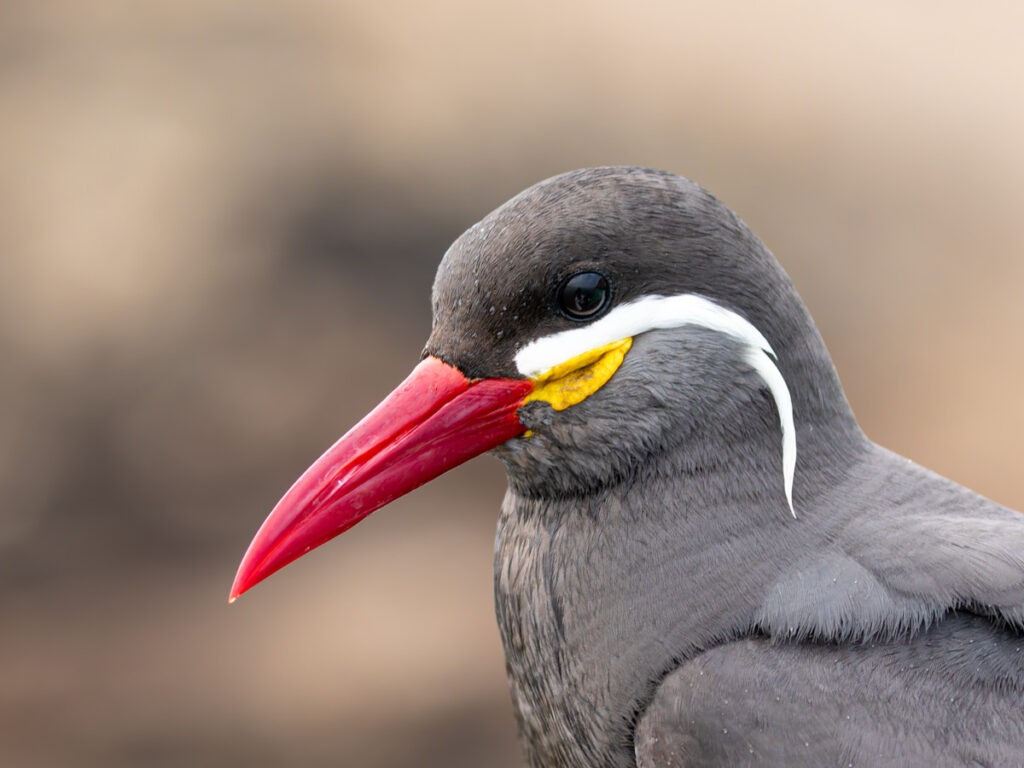
1. Inca Tern (Larosterna inca) – The Star of Pucusana
Few seabirds are as unmistakable as the Inca Tern.
With its dark slate-gray plumage, brilliant red bill and feet, and elegant white facial plumes resembling a moustache, this species is among the most charismatic birds of South America’s Pacific coast.
Inca Terns are closely associated with the Humboldt Current system and breed along the coasts of Peru and Chile.
Where to find it: Around the fishing harbor, rocky cliffs, sheltered inlets, and coastal waters.
Identification tips: Look for the combination of dark gray plumage, red bill and feet, and long white facial plumes. The species is distinctive both when perched and in flight.
Why it’s special: Pucusana provides opportunities to observe Inca Terns at rest, flying along the cliffs, or searching for food near fishing activity.
For many international birdwatchers, seeing this remarkable tern is one of the highlights of their visit to Lima.
2. Humboldt Penguin (Spheniscus humboldti) – Penguins in the Desert
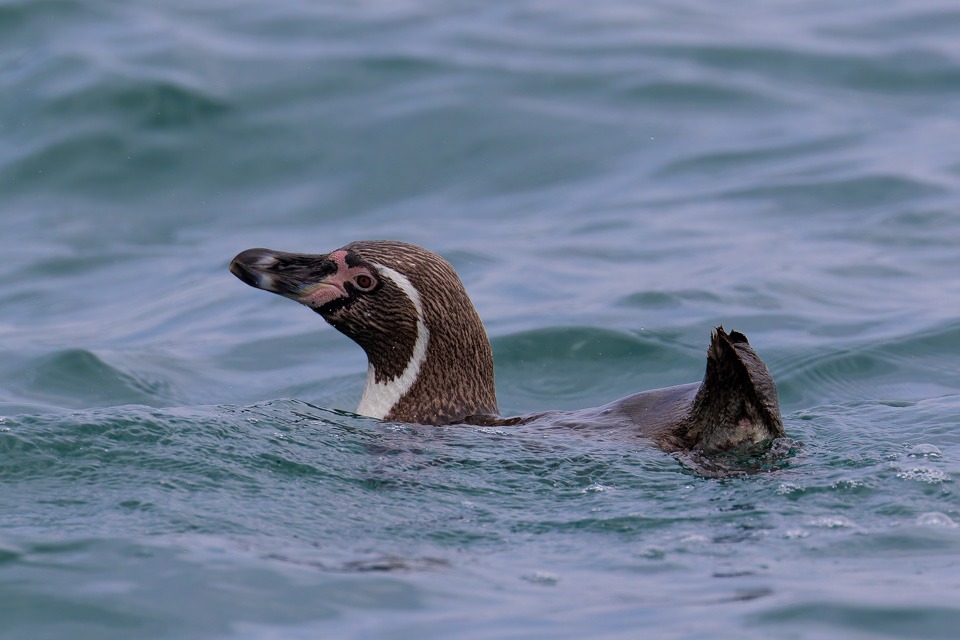
Penguins are not usually the first birds people associate with the coast of Peru.
Yet the Humboldt Penguin is perfectly adapted to this cold-water environment, where the productive Humboldt Current provides the fish on which it depends.
Unlike penguins associated with Antarctica, this species inhabits rocky islands and coastal areas along Peru and Chile.
Where to find it: Rocky cliffs, coastal caves, crevices, and waters around Pucusana’s nearby islands.
Identification tips: Look for the black breast band, white face markings, and pink bare skin around the base of the bill and eyes.
Why it’s special: Watching a penguin resting on a sunlit rock surrounded by desert cliffs is a wonderful reminder of how unusual Peru’s coastal ecosystems can be.
Humboldt Penguins can sometimes be observed swimming near the boat, although sightings vary with conditions and the birds’ movements.
3. Red-legged Cormorant (Poikilocarbo gaimardi) – The Elegant Cliff Dweller
Among the cormorants of the Peruvian coast, the Red-legged Cormorant is particularly beautiful.
Its slender shape, pale gray neck markings, colorful facial skin, and bright reddish legs give it an appearance quite different from the more numerous Guanay Cormorant.
Where to find it: Steep coastal cliffs and rocky ledges, often in relatively small numbers.
Identification tips: Notice its slender neck, grayish plumage, pale neck patch, and bright red legs. Its relatively delicate proportions help distinguish it from other cormorants.
Why it’s special: Unlike some colonial cormorants, this species often nests individually or in loose groups on steep cliff faces.
Observing one perched on a narrow rock ledge is a wonderful opportunity to appreciate its adaptation to rugged coastal habitats.
4. Guanay Cormorant (Leucocarbo bougainvilliorum) – A Symbol of the Humboldt Current
The Guanay Cormorant is one of the defining seabirds of Peru’s Pacific coast.
Its black-and-white plumage, reddish facial skin, and strong association with anchoveta make it a characteristic species of this extraordinarily productive marine ecosystem.
Where to find it: Rocky islands, cliffs, and surrounding coastal waters.
Identification tips: Look for the black upperparts contrasting with extensive white underparts, a distinctive white neck area, and reddish skin around the face.
Why it’s special: This is one of Peru’s historically important guano birds, linking modern birdwatching with the country’s maritime ecology and history.
5. Peruvian Booby (Sula variegata) – The Precision Diver
Watching a Peruvian Booby hunt is one of the most exciting sights along the coast.
These powerful seabirds search for fish while flying above the ocean and then plunge into the water in spectacular dives.
Where to find it: Coastal cliffs, rocky islands, and open waters around Pucusana.
Identification tips: Adults show a mostly white head and underparts, contrasting with dark wings and upperparts. Immature birds have browner plumage.
Why it’s special: Their diving behavior provides an excellent example of how seabirds have adapted to exploit the rich fish resources of the Humboldt Current.
6. Peruvian Pelican (Pelecanus thagus) – The Giant of the Fishing Harbor
You may encounter your first Peruvian Pelican before even boarding the boat.
These enormous birds are familiar residents of fishing harbors along the coast, where they frequently gather around boats and landing areas.
Where to find it: Fishing docks, sheltered bays, rocky shores, and coastal waters.
Identification tips: Its enormous bill and throat pouch are unmistakable. Adults show a striking combination of dark and pale plumage, while younger individuals are generally browner.
Why it’s special: Watching these impressive birds at close range offers excellent opportunities to study their behavior and photograph their remarkable anatomy.

7. Surf Cinclodes (Cinclodes taczanowskii) – A Peruvian Coastal Endemic
Not all of Pucusana’s specialty birds spend their lives flying or swimming over the ocean.
The Surf Cinclodes is a fascinating passerine that has adapted to living along rocky shores exposed to ocean spray.
This species is endemic to Peru and is closely associated with the country’s Pacific coastline.
Where to find it: Rocky shorelines, exposed coastal formations, and areas close to the waterline.
Identification tips: Look for a medium-sized brown cinclodes with pale superciliary markings, a relatively long bill, and a habit of moving along wet rocks while searching for food.
Why it’s special: Few passerines are so closely associated with the ocean’s edge.
For birders particularly interested in Peruvian endemics, this can be one of the most rewarding targets of the visit.
8. Blackish Oystercatcher (Haematopus ater) – The Rocky Shore Specialist
The Blackish Oystercatcher is another characteristic inhabitant of South America’s rocky Pacific shores.
Its dark plumage contrasts beautifully with its vivid orange-red bill and pale pinkish legs.
Where to find it: Rocky shorelines, exposed reefs, and coastal ledges.
Identification tips: The combination of dark plumage, long reddish bill, and strong association with rocky shore habitats makes this species relatively easy to recognize.
Why it’s special: Watching an oystercatcher search for mollusks and other marine invertebrates reveals another side of the coastal food web.
Other Birds Worth Looking For
Depending on the season and conditions, additional species may include:
- Belcher’s Gull (Larus belcheri)
- Kelp Gull (Larus dominicanus)
- Gray Gull (Leucophaeus modestus)
- Neotropic Cormorant (Nannopterum brasilianum)
- Ruddy Turnstone (Arenaria interpres)
- Peruvian Diving-Petrel (Pelecanoides garnotii), an occasional possibility in suitable offshore conditions
More distant pelagic species generally require dedicated offshore excursions rather than the usual sheltered coastal boat trip.
Exploring Pucusana – From the Fishing Harbor to the Rocky Islands
The Fishing Harbor: Where Birding Begins
The birding experience often begins before leaving the dock.
Pucusana is an active fishing village, and its harbor attracts birds throughout the day.
Peruvian Pelicans wait near fishing boats, gulls move across the waterfront, and Inca Terns may rest on harbor structures or fly overhead.
This provides an excellent introduction to the species you are likely to encounter during the boat excursion.
It’s also a wonderful place to appreciate the relationship between the local fishing community and the surrounding marine environment.
The Boat Trip: Into the World of Seabirds
The highlight of a visit to Pucusana is undoubtedly the boat excursion.
A typical birdwatching trip lasts approximately 1 to 1.5 hours, depending on sea conditions, bird activity, and the route selected.
As the boat moves away from the harbor, the landscape changes.
The fishing village gradually gives way to steep cliffs, rocky formations, sea caves, and sheltered stretches of ocean.
This is where many of Pucusana’s most interesting seabirds can be encountered.
Red-legged Cormorants perch on narrow ledges, Guanay Cormorants occupy rocky areas, and Inca Terns move gracefully along the cliffs.
With luck, Humboldt Penguins may appear among the rocks or swimming in nearby waters.
The boat allows birders to observe parts of the coastline that are difficult or impossible to reach on foot.
One of the great advantages of this experience is that the birds can often be watched from relatively short distances while remaining in their natural habitat.
The Rocky Coastline: A Specialized Bird Habitat
At first glance, Pucusana’s cliffs may appear almost lifeless.
However, their crevices, ledges, and protected areas provide valuable nesting and resting habitats for several seabirds.
Different species occupy different parts of this rocky environment.
Cormorants use ledges and cliff faces, Humboldt Penguins seek protected cavities, and Blackish Oystercatchers search for food along exposed rocks.
Meanwhile, Surf Cinclodes explore the wet margins of the shoreline.
This variety of ecological niches helps explain why a relatively small coastal area can support such a distinctive bird community.
Beyond Birds: Marine Mammals of Pucusana
Although birds are the main attraction, Pucusana also provides opportunities to encounter marine mammals.
South American Sea Lions (Otaria flavescens) may be seen swimming near the coast or resting on rocky areas.
Another fascinating inhabitant of Peru’s rocky shores is the Marine Otter (Lontra felina), locally known as the chungungo.
This elusive mammal occupies coastal crevices and rocky habitats along the southeastern Pacific. Sightings are uncommon and should be considered a fortunate bonus rather than an expected encounter.
Bird Photography in Pucusana – A Coastal Photographer’s Paradise
Pucusana is especially rewarding for photographers interested in seabirds.
Unlike many forest birding destinations, where dense vegetation and low light can make photography difficult, the open coastal environment provides clear views of birds against rocks, water, and sky.
What Makes Pucusana So Good for Photography?
Some of the greatest advantages include:
- Opportunities to photograph Inca Terns perched or in flight.
- Close views of Peruvian Pelicans around the harbor.
- Dramatic cliff backgrounds for cormorants and penguins.
- Seabird flight and feeding behavior over open water.
- Opportunities to photograph several characteristic species within a relatively short excursion.
Recommended Photography Equipment
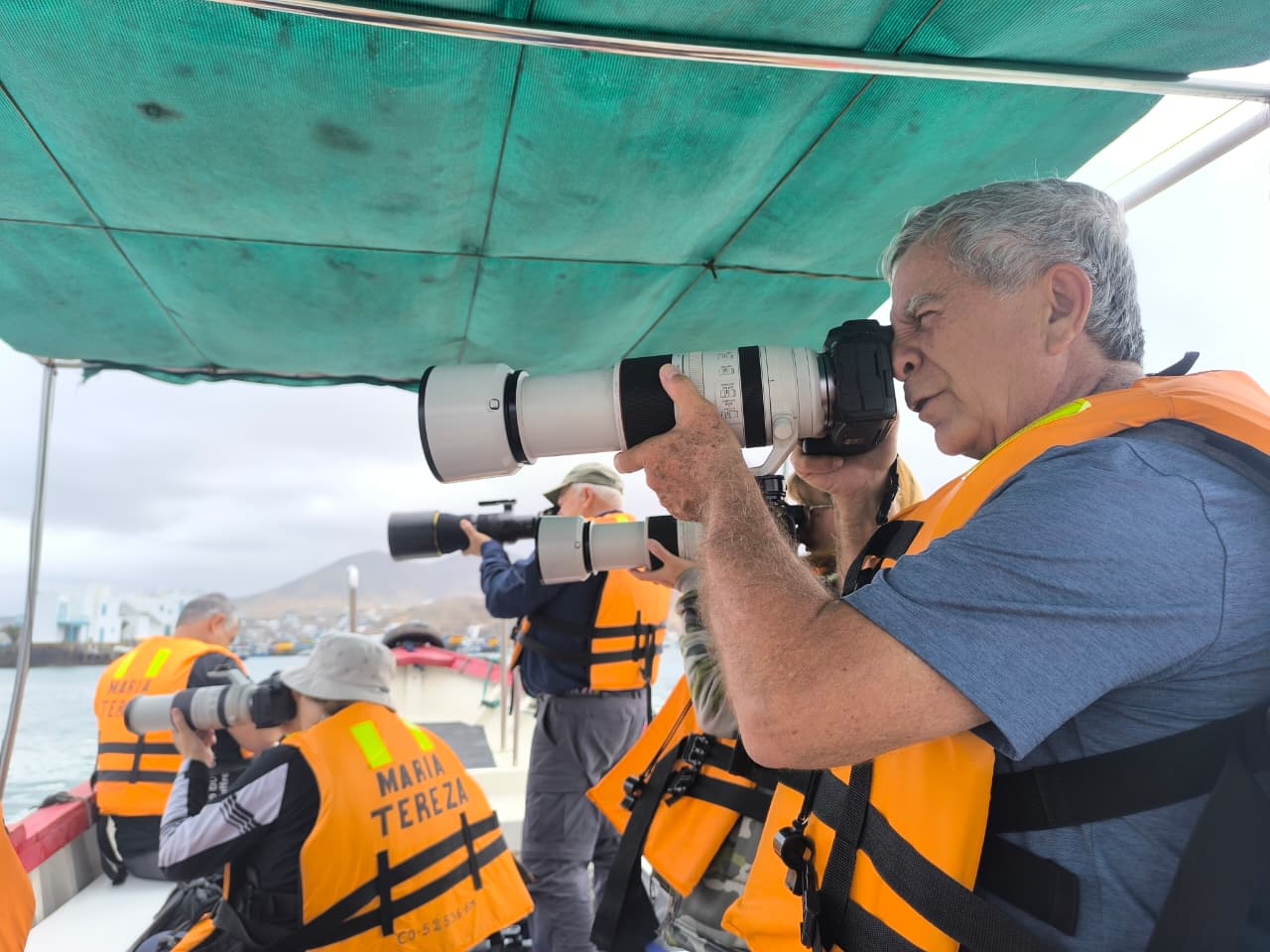
A telephoto zoom lens is particularly useful because distances can change quickly during the boat excursion.
A 100–400 mm or 100–500 mm lens is a versatile option, allowing photographers to frame birds perched on nearby rocks or capture flying subjects against the ocean.
Longer lenses can be useful for distant birds, although they may be more difficult to handle from a moving boat.
A fast shutter speed is important, especially when photographing seabirds in flight or compensating for movement from the vessel.
For many situations, shutter speeds around 1/1600–1/2500 second can be helpful for flight photography, with adjustments according to light and subject movement.
Practical Photography Tips
Keep your equipment protected from sea spray, and use a comfortable camera strap.
Be prepared for changing light conditions. Lima’s coastal skies are often overcast, which can create soft, even illumination particularly suitable for photographing birds with contrasting black-and-white plumage.
Avoid unnecessary equipment changes while on the boat, and always prioritize the safety of passengers and wildlife.
Planning Your Birding Trip to Pucusana
Where Is Pucusana?
Pucusana is located approximately 60 kilometers (37 miles) south of Lima, along Peru’s Pacific coast.
Travel time from the main tourist districts of Lima, such as Miraflores or Barranco, is typically around 1.5–2 hours, although traffic conditions can increase the journey.
Its proximity to Lima makes Pucusana an excellent destination for travelers with limited time, including visitors beginning or concluding a longer birdwatching trip through Peru.
Best Time of Year for Birding in Pucusana
Pucusana can be visited throughout the year.
Unlike tropical forest destinations, birdwatching here is not defined by a distinct rainy and dry season.
Instead, sea conditions, coastal visibility, ocean productivity, and seasonal bird movements are important factors.
December to April:
Coastal conditions are generally warmer, with more frequent sunshine and often clearer skies. However, wind, swell, and sea conditions should always be checked before any boat excursion.
May to November:
Lima’s coast is frequently overcast, with cooler temperatures and periods of mist or drizzle. These conditions often produce soft light, which can be excellent for bird photography.
Although many characteristic seabirds are present year-round, their abundance and distribution may vary.
Is the Boat Ride Difficult?
For most visitors, birdwatching in Pucusana is a relatively easy activity.
The boat excursion generally takes place around the sheltered bay and nearby rocky coastline, rather than far offshore.
Nevertheless, ocean movement can occur, and boarding a small boat requires some balance and mobility.
Travelers prone to seasickness should take appropriate precautions, and everyone should wear a suitable life jacket.
Boat departures and routes must always depend on safe weather and ocean conditions.
What Should You Bring?
For a comfortable birdwatching experience, we recommend:
- Binoculars, ideally 8×42 or 10×42.
- Camera with a telephoto lens.
- Windproof jacket or light waterproof layer.
- Hat and sunglasses.
- Sunscreen, even on overcast days.
- Comfortable footwear with non-slip soles.
- Water and light snacks.
- Protective bag for cameras and electronics.
- Seasickness medication when appropriate, following medical advice.
A spotting scope can be useful from stable observation points on shore, but handheld binoculars and cameras are generally more practical on a moving boat.
Combining Pucusana with Pantanos de Villa – Two Ecosystems in One Day
One of the best ways to experience Lima’s birdlife is to combine Pucusana with the Pantanos de Villa Wildlife Refuge, located on the southern outskirts of the city.
While Pucusana is dominated by rocky shores and marine birds, Pantanos de Villa offers freshwater wetlands, reedbeds, shallow lagoons, and coastal habitats.
These ecosystems support a remarkably different bird community.
What Birds Can You Find at Pantanos de Villa?
Some of the most interesting possibilities include:
- Many-colored Rush Tyrant (Tachuris rubrigastra)
- Wren-like Rushbird (Phleocryptes melanops)
- Peruvian Thick-knee (Burhinus superciliaris)
- Great Grebe (Podiceps major)
- White-tufted Grebe (Rollandia rolland)
- White-cheeked Pintail (Anas bahamensis)
- Cinnamon Teal (Spatula cyanoptera)
The wetlands also attract a variety of migratory shorebirds, particularly during the appropriate migration and nonbreeding seasons.
Why Combine Both Locations?
A full-day birding excursion allows visitors to experience two contrasting coastal ecosystems:
Pucusana: Seabirds, rocky shore specialists, penguins, cormorants, and marine mammals.
Pantanos de Villa: Freshwater birds, reedbed specialists, waterfowl, and migratory shorebirds.
For international birders with limited time in Lima, this combination is particularly appealing.
It’s also an excellent introduction to Peru’s birdlife before continuing to the Andes, cloud forests, or Amazon rainforest.
Suggested Full-Day Birding Itinerary
Early morning: Depart Lima and travel south toward Pucusana.
Morning: Explore the fishing harbor and take a boat excursion around the nearby rocky coastline, focusing on Inca Terns, Humboldt Penguins, cormorants, boobies, and other seabirds.
Late morning: Return to the harbor and travel north toward Pantanos de Villa.
Midday and afternoon: Explore the wetlands, looking for Many-colored Rush Tyrant, Wren-like Rushbird, Peruvian Thick-knee, grebes, and other freshwater species.
Late afternoon: Return to your hotel in Lima.
The order and timing may be adjusted according to traffic, sea conditions, and the objectives of the group.
Conservation in Pucusana – Protecting the Humboldt Current Ecosystem
Pucusana’s marine wildlife depends on a healthy and productive ocean.
Although the Humboldt Current supports exceptional biological diversity, this ecosystem faces important conservation challenges.
Fisheries and Food Availability
Many seabirds depend heavily on anchoveta and other small schooling fish.
Changes in fish abundance and distribution, whether driven by ocean conditions or fishing pressure, can affect their ability to feed and reproduce.
Sustainable fisheries management is therefore an essential part of seabird conservation.
Climate Change and El Niño
Changes in ocean temperature and upwelling conditions can influence the availability of food resources.
Strong El Niño events have historically caused major disruptions to seabird populations along the Peruvian coast.
Understanding these environmental changes is essential for protecting vulnerable marine species.
Coastal Disturbance and Marine Pollution
Plastic waste, fishing gear, pollution, and disturbance around breeding colonies can also affect seabirds and marine mammals.
Responsible tourism can help reduce some of these pressures.
How Birdwatchers Can Help
Visitors can contribute to conservation by choosing responsible operators, maintaining appropriate distances from wildlife, and avoiding disturbance at nesting or resting sites.
Never request that a boat approach too closely to penguins, cormorant colonies, or marine mammals simply to obtain a better photograph.
Supporting local boat operators who follow good environmental practices can also help demonstrate the economic value of conserving Pucusana’s wildlife.
Birdwatchers can further contribute by recording observations on platforms such as eBird, helping document bird distribution and changes over time.
Why Pucusana Deserves a Place in Your Peru Birding Itinerary
Peru is rightly celebrated for its spectacular tropical forests, Andean landscapes, and extraordinary bird diversity.
But the country’s Pacific coastline is equally fascinating.
Pucusana offers a chance to experience a completely different side of Peruvian birdlife—one shaped by cold ocean currents, rocky cliffs, and an abundance of marine resources.
It is a destination where you might spend the morning watching Inca Terns sweep across the harbor, studying the delicate features of a Red-legged Cormorant, or searching the rocks for a Humboldt Penguin.
A short distance away, the wetlands of Pantanos de Villa provide an entirely different collection of birds, creating one of the most rewarding day trips available from Lima.
Whether you’re an experienced birder looking for new species, a wildlife photographer hoping to capture remarkable coastal birds, or a nature enthusiast discovering Peru for the first time, Pucusana is well worth including in your travels.
Explore Pucusana with Manakin Expeditions
At Manakin Expeditions, we organize specialized birdwatching excursions to Pucusana and Pantanos de Villa, combining knowledgeable bird guides, private transportation, and carefully planned visits to maximize opportunities for observing Peru’s coastal wildlife. See the itinerary
Our Birding at Pucusana and Pantanos de Villa Wetlands tour is ideal as a pre-tour or post-tour extension for visitors exploring Peru’s other outstanding birding destinations.
From the rocky Pacific coastline to the Amazon rainforest and the high Andes, every ecosystem reveals another remarkable chapter in the story of Peru’s birds.