Per person ?In the event that only 2 or 3 participants confirm, a small additional charge of 10% over the total cost will be applied to guarantee the departure.
- May 25th to 31st – 2027
- Jul 6th to 12th – 2027
- Aug 17th to 23rd – 2027
One of the world’s most legendary birding routes—Manu Road, a place where dramatic landscapes and unmatched biodiversity converge. This tour takes you from the high Andean grasslands through elfin and cloud forests all the way to the lush Amazonian foothills, delivering a birding experience like no other.
Manu Road is often considered one of the most productive birding routes on Earth. The tour follows a stunning altitudinal gradient that allows access to a rich variety of habitats, each with its own set of specialties and endemics. This trip is ideal for passionate birders looking for a route that combines scenery, wildlife, and ease of access.
Whether you’re chasing lifers or soaking in the jungle atmosphere, this Manu Road Birding Tour offers an unbeatable diversity of species and landscapes—making it one of the best birding trips in Peru.
From cloud forests to bamboo thickets and humid lowlands, the route features spectacular species such as:
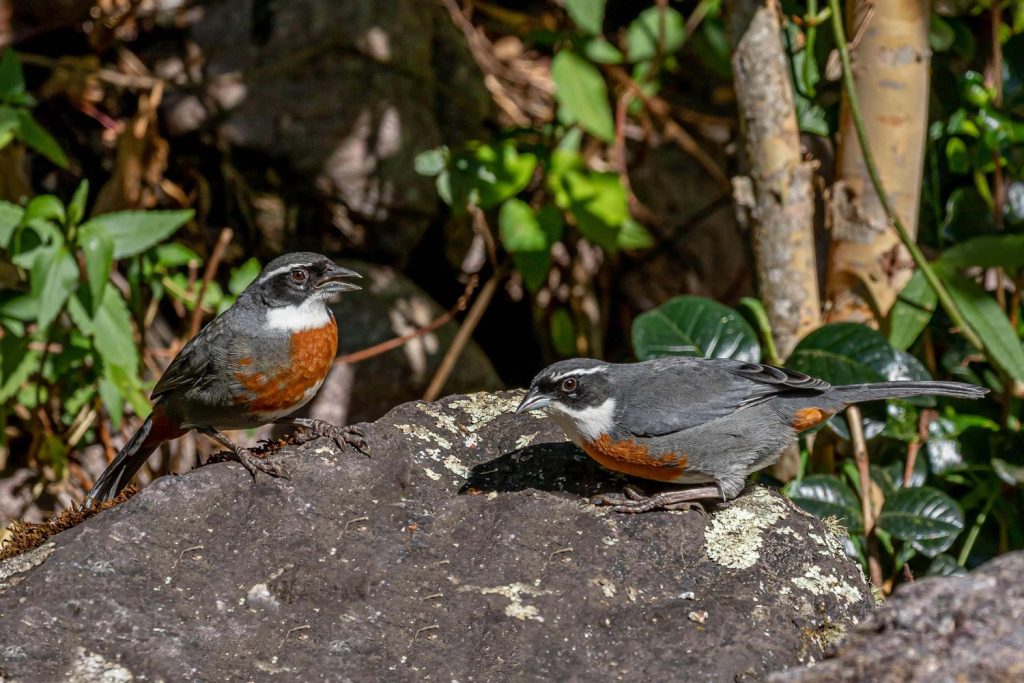
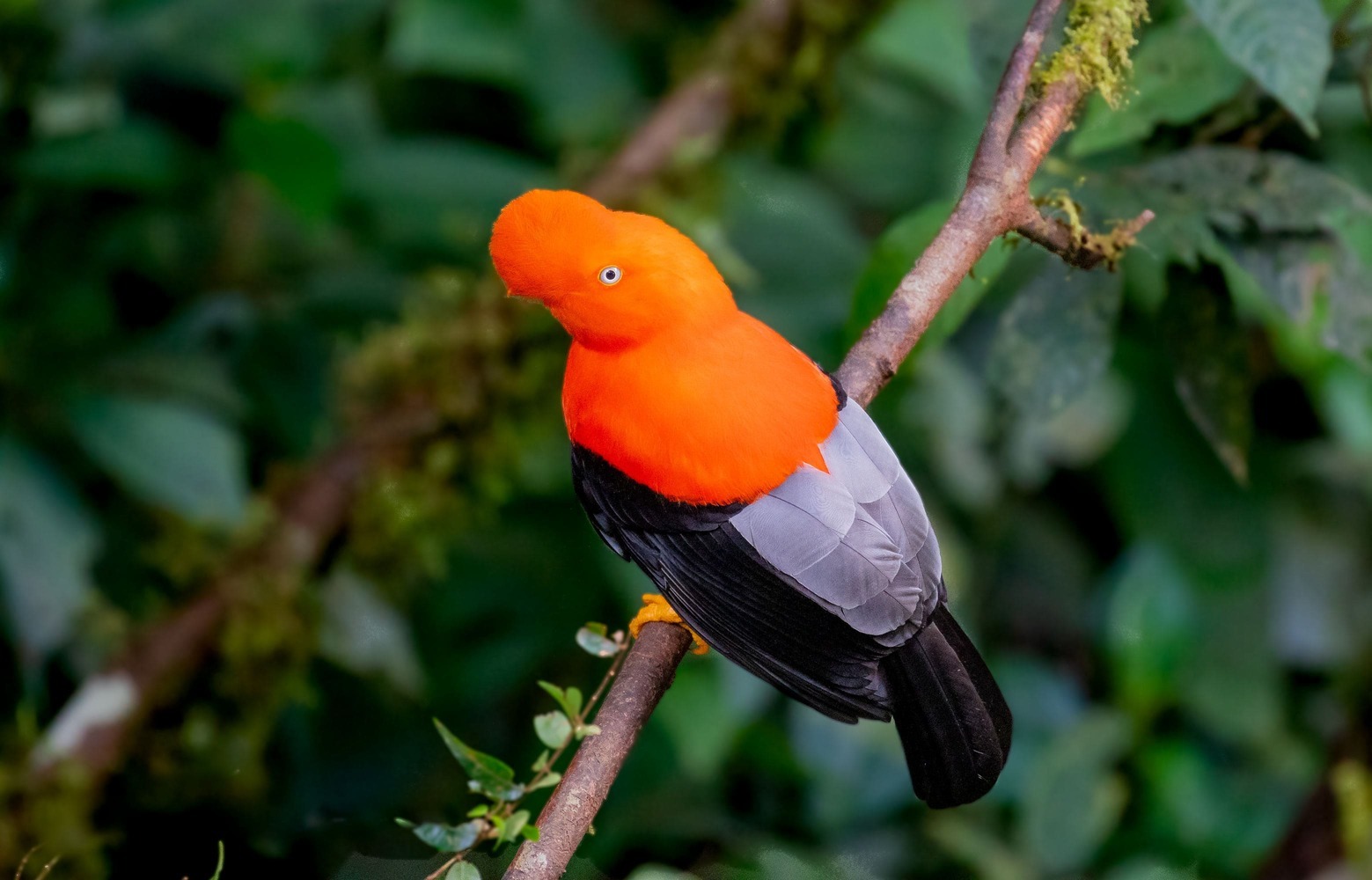
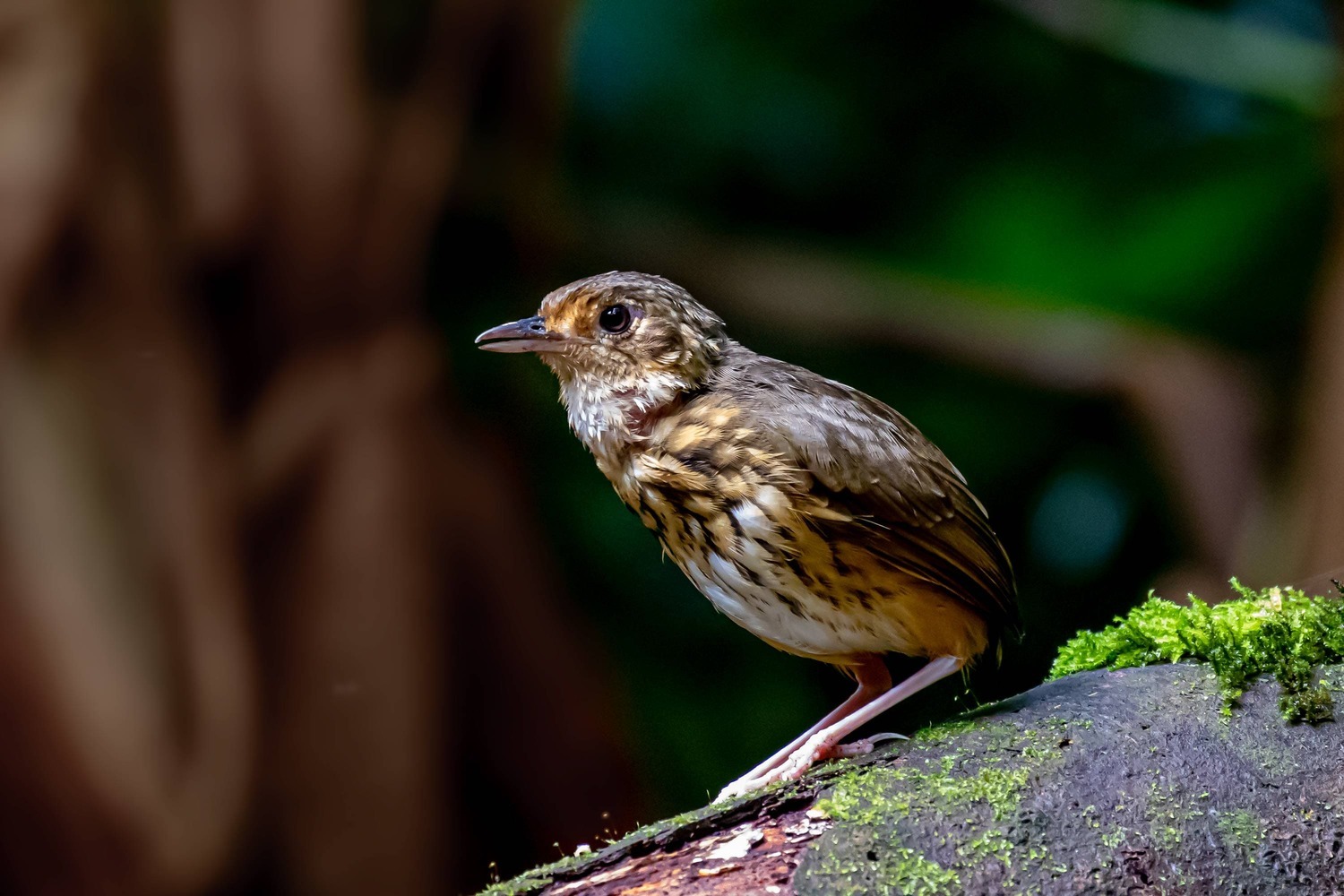
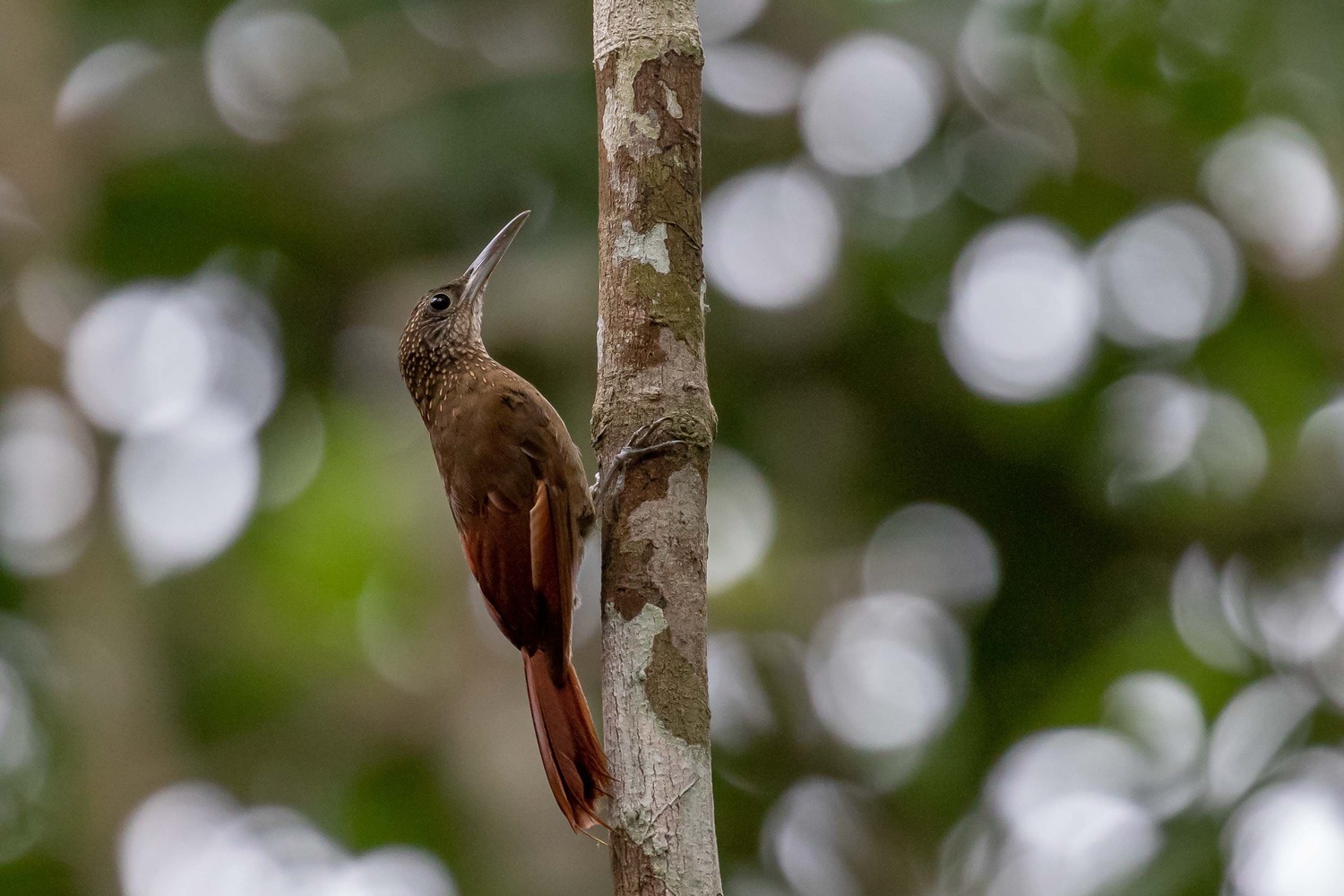
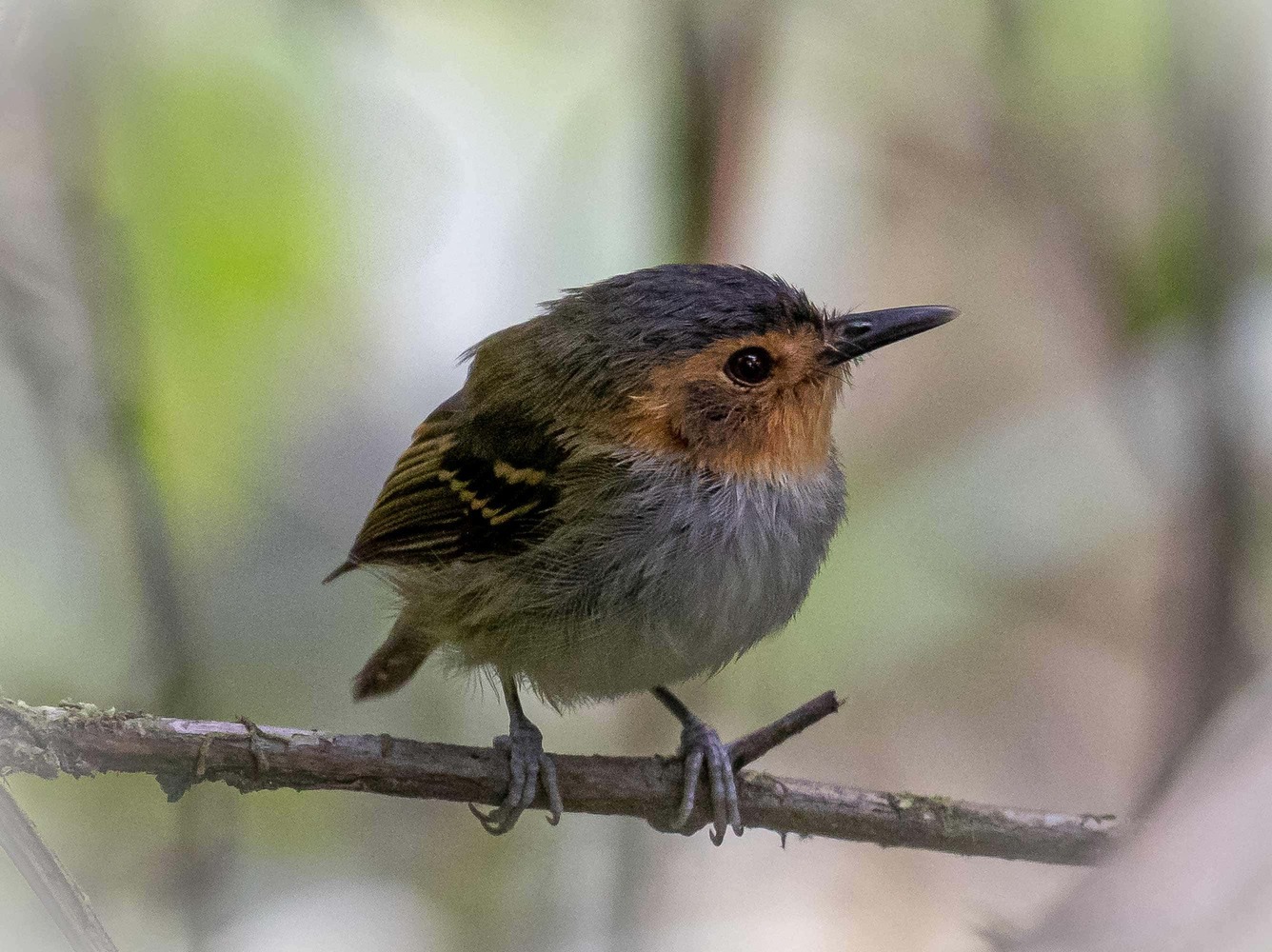
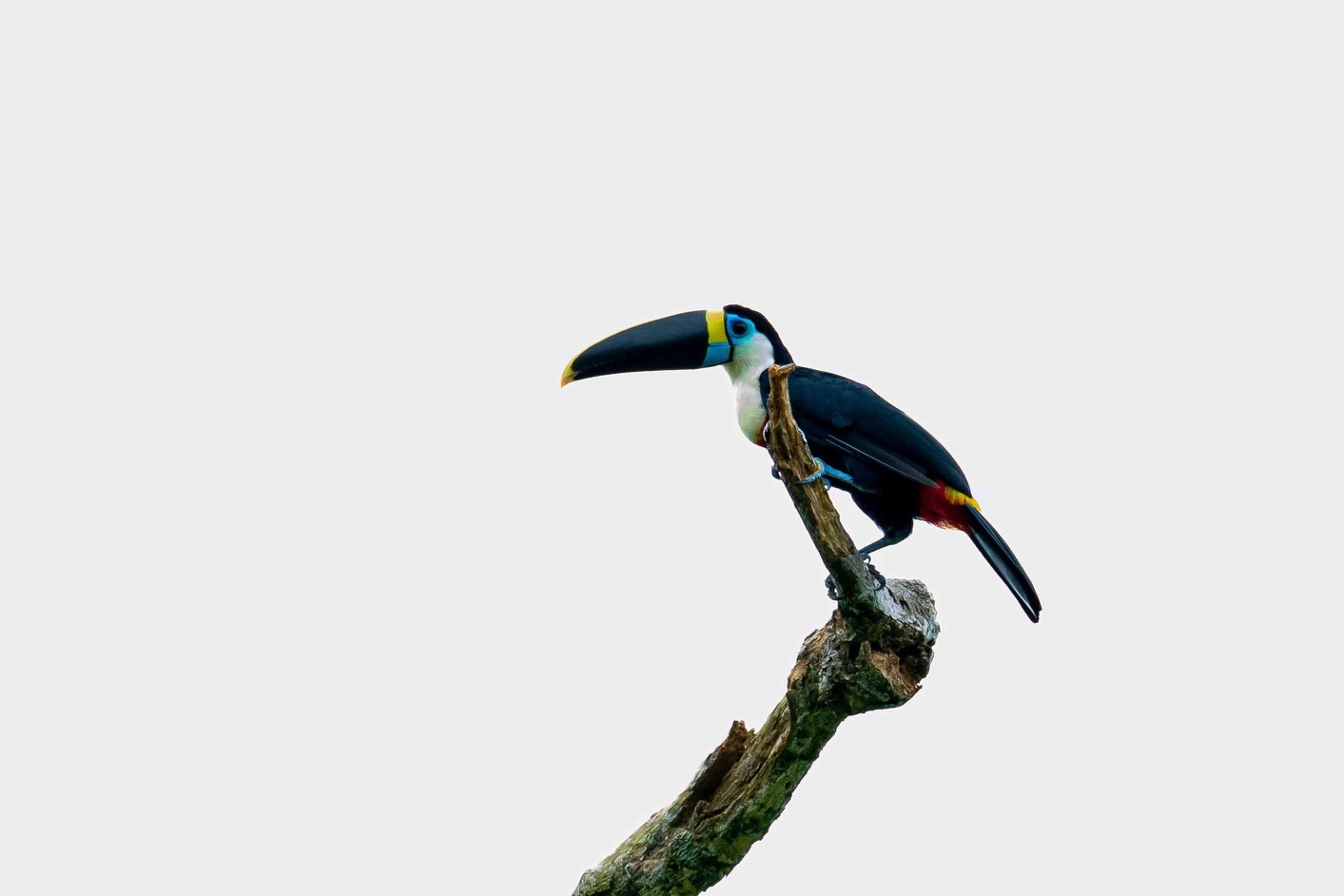
Rusty-fronted Canastero (E), Creamy-crested Spinetail (E), Chestnut-breasted Mountain-Finch (E), Puna Tapaculo, Scribble-tailed Canastero, White-throated Screech-Owl, Urubamba Antpitta (E), Red-and-white Antpitta (E), Gray-breasted Mountain-Toucan, Andean Cock-of-the-rock, Peruvian Piedtail (E), Cerulean-capped Manakin (E), Yungas Manakin, Blue-moustached Barbet, Stripe-chested Antwren, White-crowned Tapaculo, Black-backed Tody-Tyrant (E), Fine-barred Piculet, Scarlet-hooded Barbet, Amazonian Antpitta, Hoatzin, Rufous-headed Woodpecker, Manu Antbird, and many more.
High Andes and Cusco Highlands – Highland endemics like Creamy-crested Spinetail, Bearded Mountaneer, Chestnut-breasted Mountain-Finch
Elfin Forest and the Entrance to Manu – Red-and-white Antpitta, Puna Thistletail, Gray-breasted Mountain-Toucan
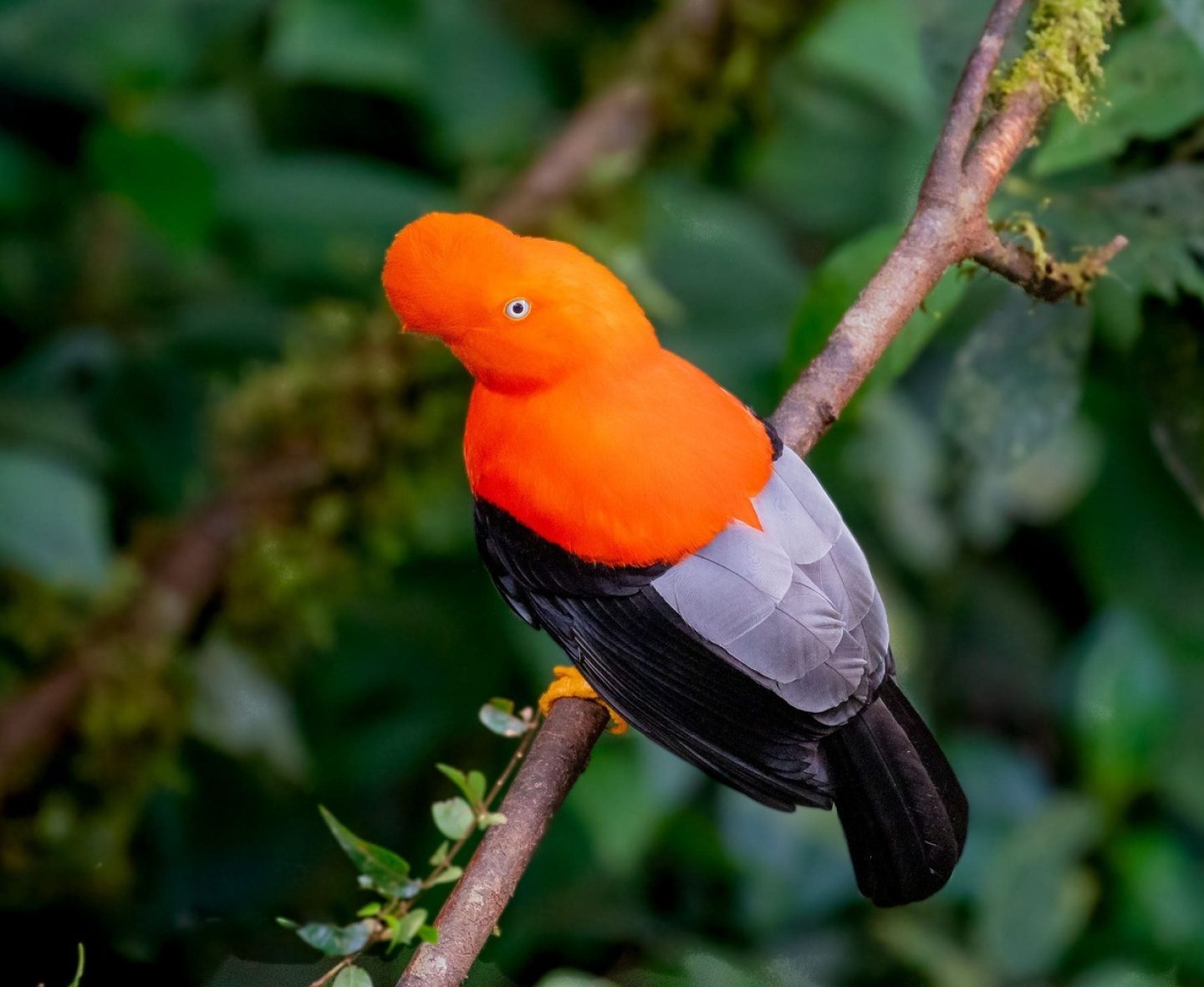
Cloud Forest – Mixed flocks and the spectacular Andean Cock-of-the-rock lek, Cereulean-capped Manakin, Blue-moustached Barbet.
Foothill Bamboo and Wetlands – Manu Antbird, Rufous-headed Woodpecker, Scarlet-hooded Barbet, Hoatzin, Amazonian Antpitta, Black-backed Tody-Tyrant.
This well-paced journey allows you to explore all major habitats of the eastern Andes and upper Amazon basin without rushing. Each elevation zone adds a new layer of diversity and discovery.
You’ll travel in private transportation, stay in charming birding lodges and be guided by top-level birding experts. Accommodations include lodges ensuring both comfort and immersion in nature.
This tour is one of the best values in South America for the sheer diversity of species, scenery, and experience. It’s ideal for hardcore listers, intermediate birders, and novices alike.
| MANU ROAD BIRDING TOUR – 7 days | LODGING | |
| 1 | Cusco – Upper Manu Road | Wayquecha Lodge |
| 2 | Cloud forest – Manu Road | Cock of the Rock Lodge |
| 3 | Cloud forest – Manu Road | Cock of the Rock Lodge |
| 4 | Foothills | Manu Biolodge |
| 5 | Foothills + Bamboo patches | Manu Biolodge |
| 6 | Back to the mountains + missing species | Wayquecha Lodge |
| 7 | Back to Cusco + OUT | – |
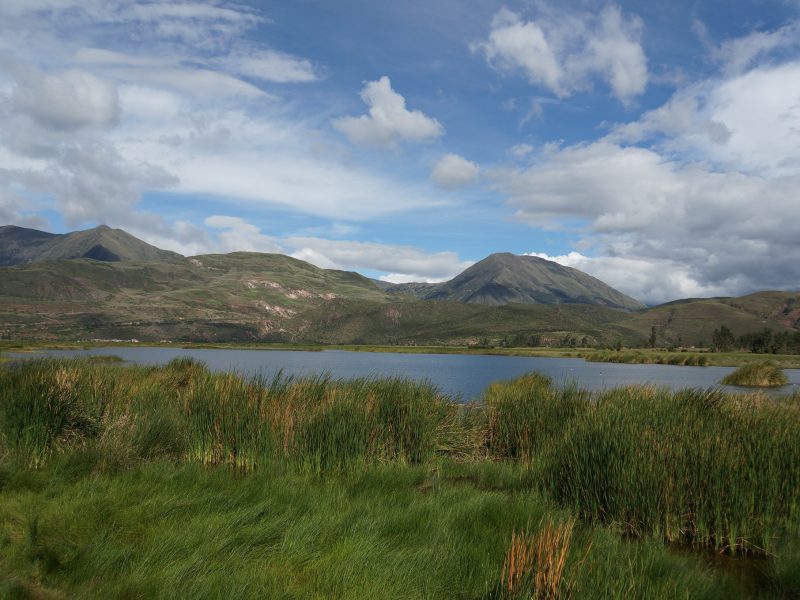
Our journey begins early in the morning in Cusco, the ancient capital of the Inca Empire. We head first to Huacarpay, a Ramsar-designated wetland that hosts a rich mix of local and migratory birds. Target species include Yellow-billed Pintail, Puna Teal, Plumbeous Rail, Andean Duck, Andean Tinamou, White-tufted Grebe, Many-colored Rush-Tyrant, and Wren-like Rush-Bird. The surrounding flora, especially nicotiana flowers, attract hummingbirds like Black-throated Flowerpiercer, Black-tailed Trainbearer, Giant Hummingbird, and the stunning endemic Bearded Mountaineer (E).
In the drier xerophytic habitat, we’ll search for Rusty-fronted Canastero (E), Streak-fronted Thornbird, Puna Tinamou, and the elusive Darwin’s Nothura. As we climb higher through puna grasslands, expect Slender-billed Miner, Peruvian Sierra-Finch, Andean Flicker, and Variable Hawk.
At midday, we reach the Acjanaco Pass — the beggining of our Manu Road Birding Tour. Here, we enjoy a picnic lunch before entering the pristine Elfin forest, a unique habitat teeming with endemics. Our targets include Puna Thistletail, Puna Tapaculo, Diademed Tapaculo, Moustached Flowerpiercer, Scribble-tailed Canastero, and Gray-breasted Mountain-Tanager.
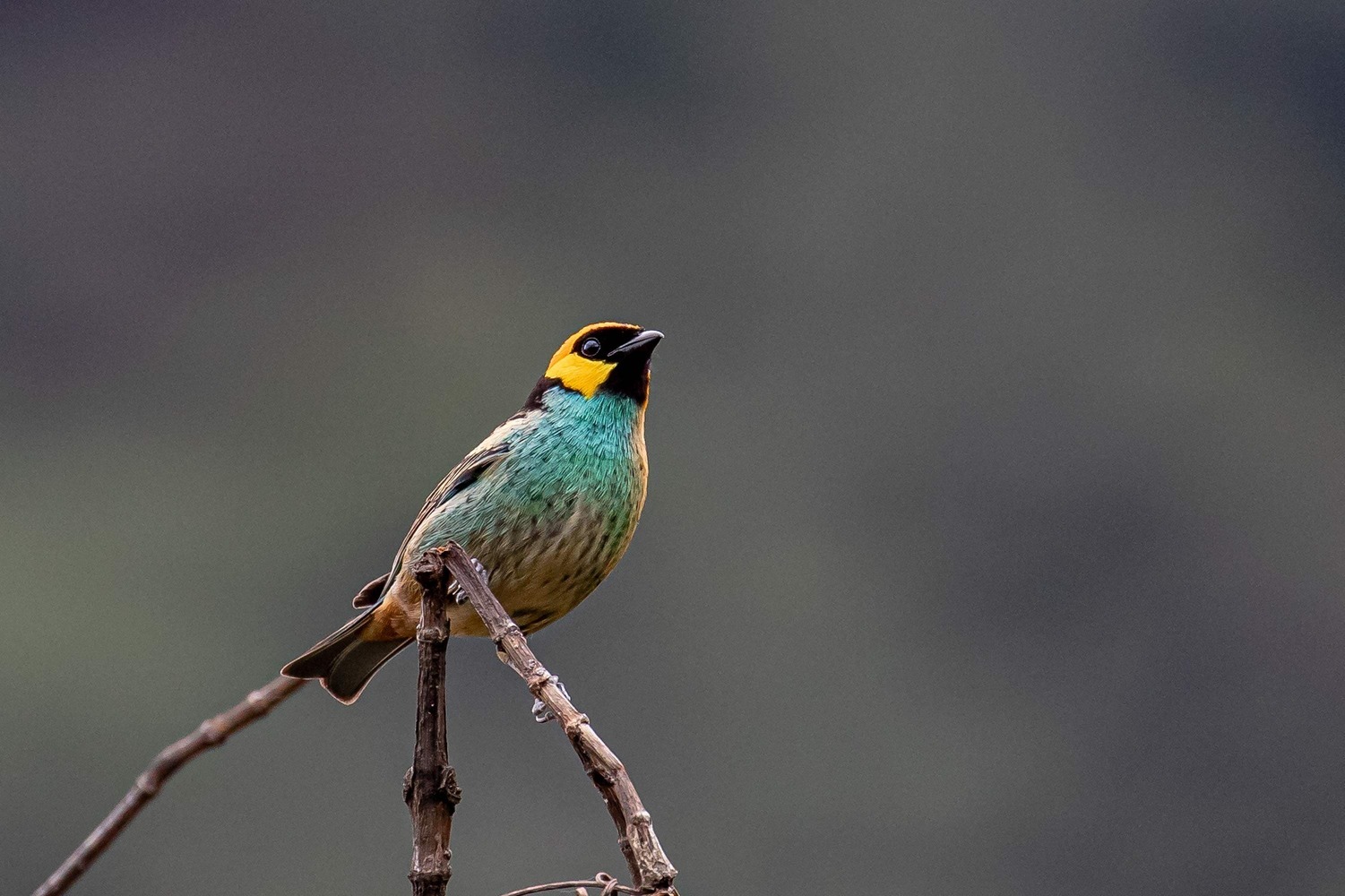
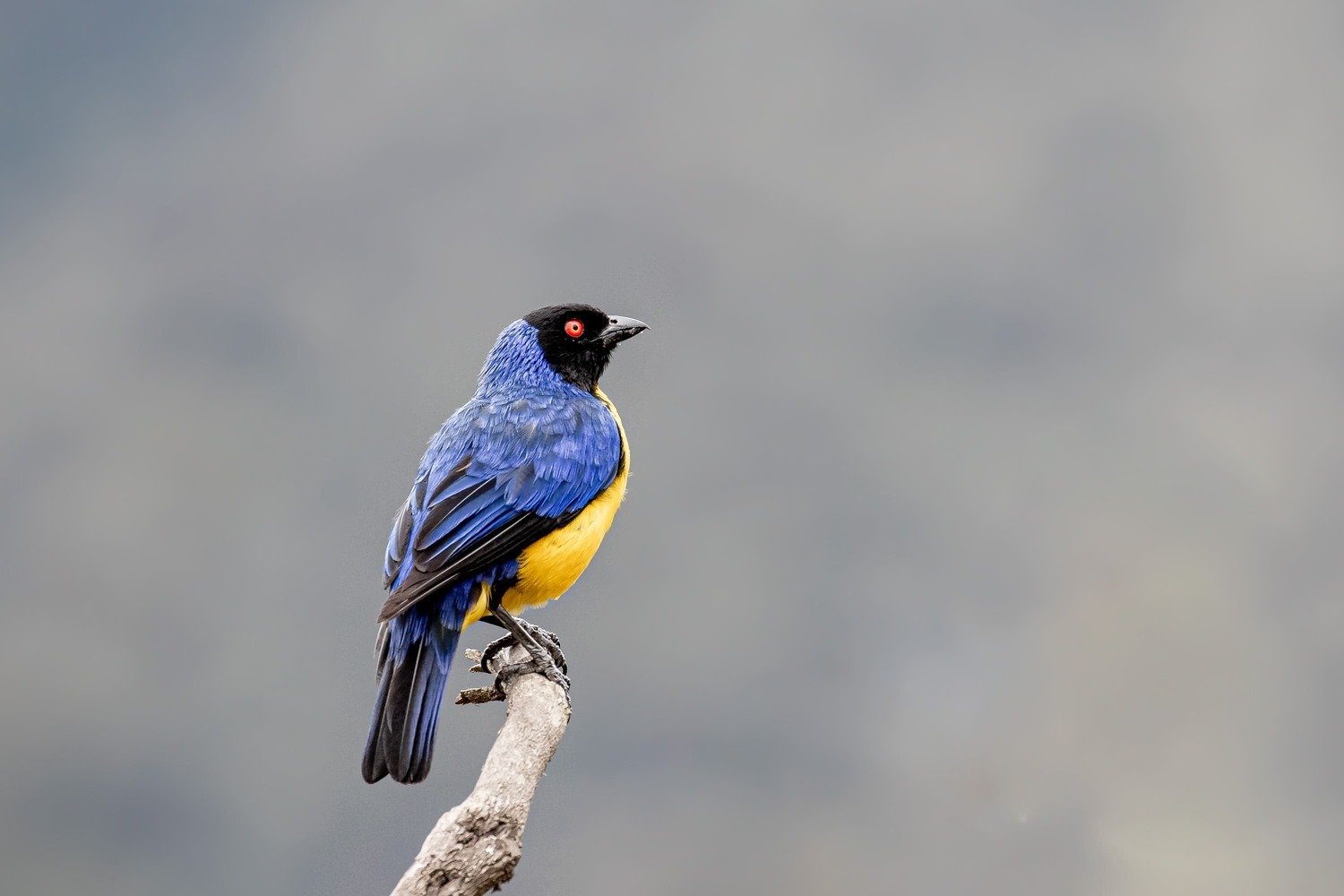
Mixed flocks often include spectacular species like Scarlet-bellied Mountain-Tanager, Hooded Mountain-Tanager, Golden-collared Tanager, Grass-green Tanager, Pearled Treerunner, Yungas Pygmy-Owl, and Grass Wren.
Night at Wayquecha Lodge
Wayqecha Biological Station, perched at 3,000 meters in the upper reaches of Manu Road, sits in the heart of the Elfin forest—a cold, humid, and mysterious ecosystem perpetually blanketed in clouds. This rarely studied habitat is not only rich in birdlife but also harbors diverse orchids and unique plant species.
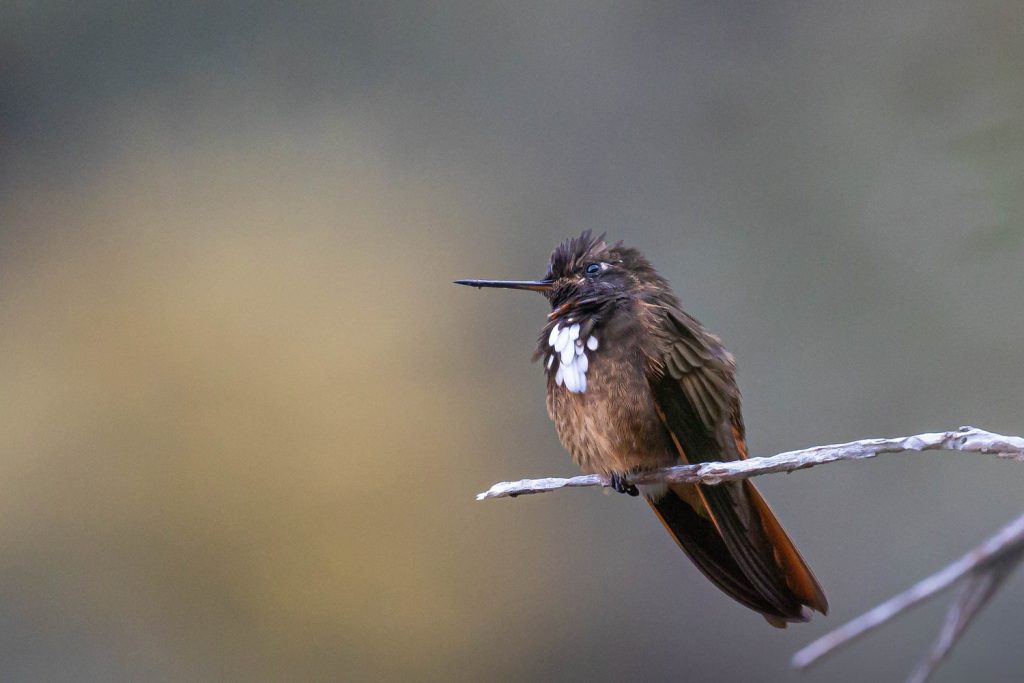
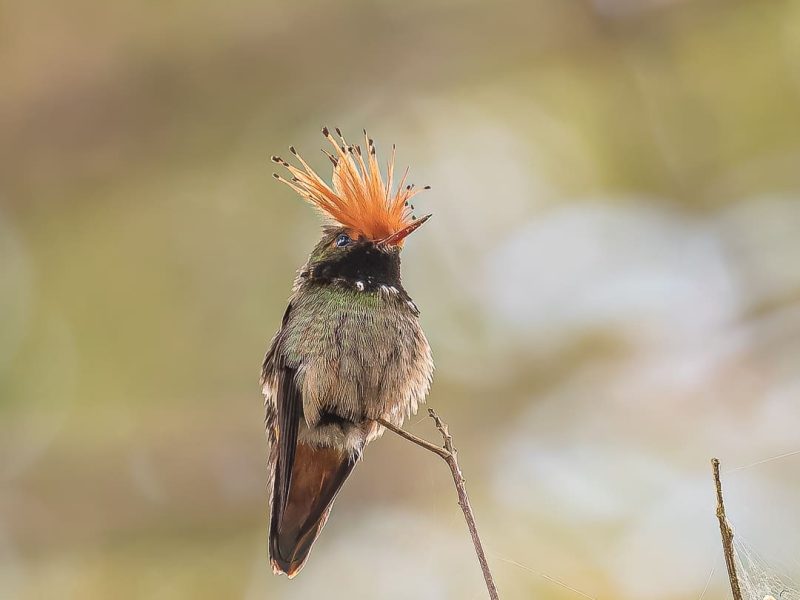
The lodge gardens attract brilliant hummingbirds like Long-tailed Sylph, Scaled Metaltail, Tyrian Metaltail, Shining Sunbeam, and the endemic “Cuzco” Starfrontlet (E)—a localized split from the Violet-fronted Starfrontlet.
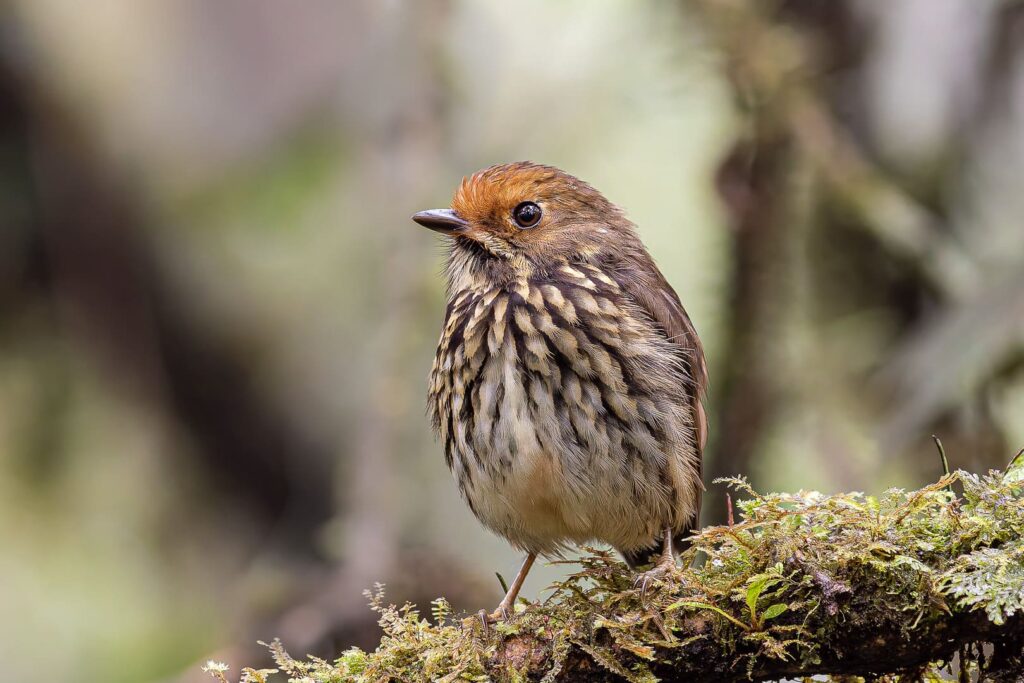
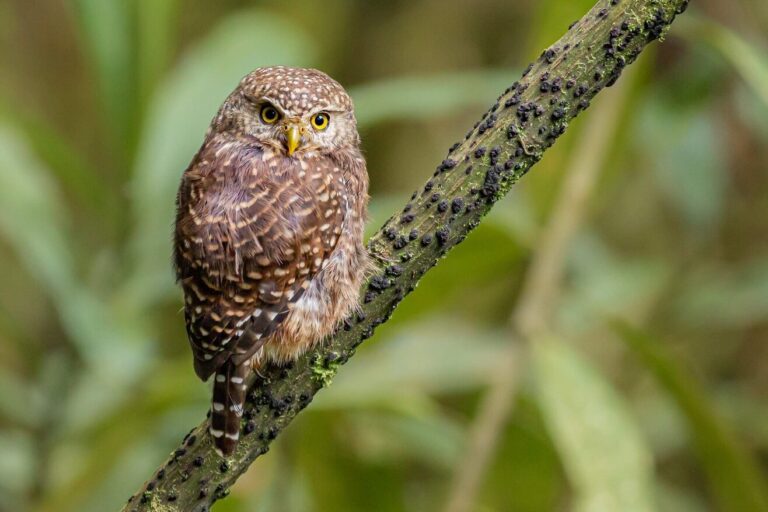
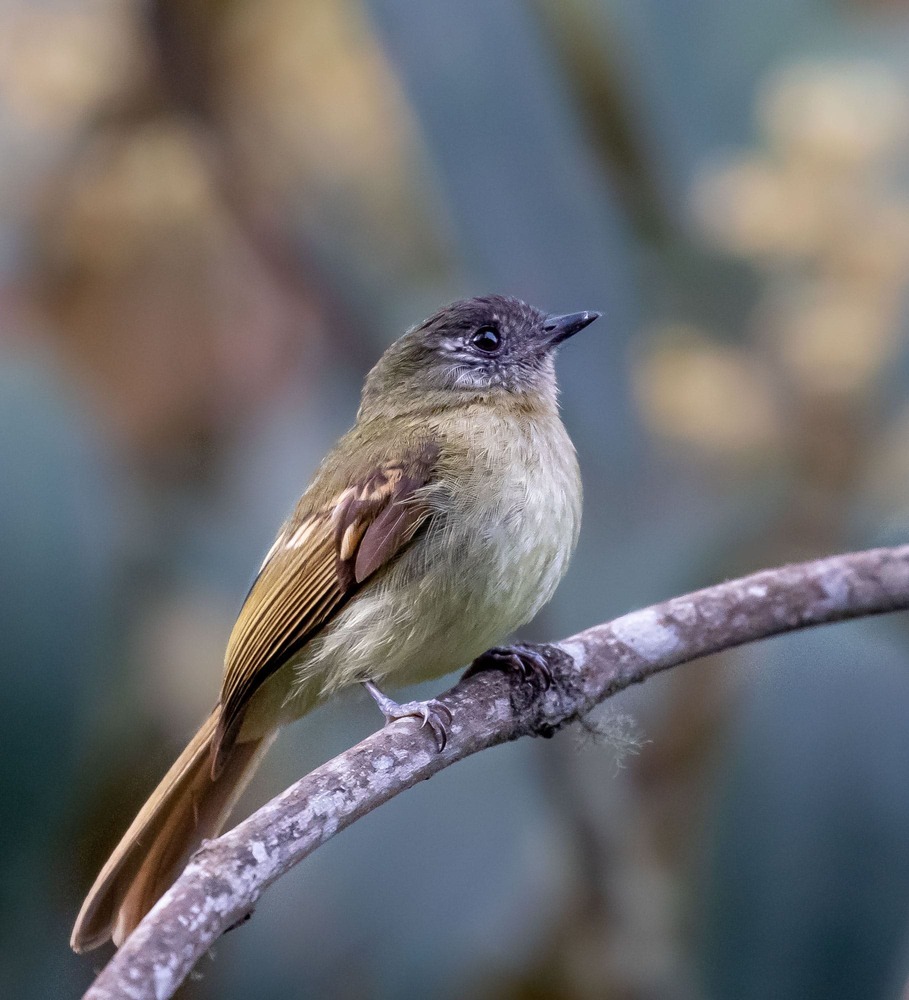
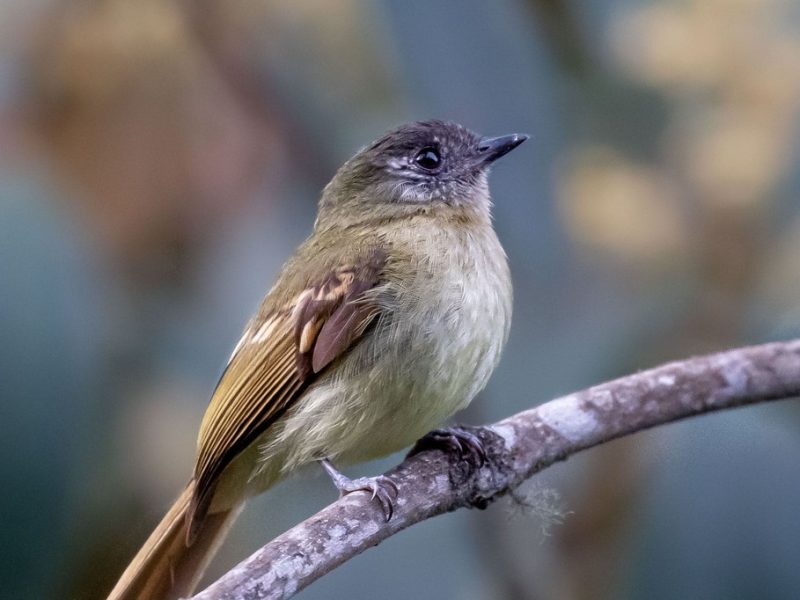
On the trails, target species include Urubamba Antpitta (E), Red-and-white Antpitta (E), Marcapata Spinetail (E), Hooded Tinamou, Stripe-faced Woodquail, Semi-collared Hawk, Black-and-chestnut Eagle, Sword-billed Hummingbird, Masked Trogon, Crimson-mantled Woodpecker, Puna Thistletail, Band-tailed Fruiteater, Rufous-backed Treehunter, Leymebamba Antpitta (E), Trilling Tapaculo, White-throated Tyrannulet, and White-banded Tyrannulet.
This area is also home to elusive mammals like the Spectacled Bear and Culpeo (Andean Fox).
Night at Cock-of-the-Rock Lodge
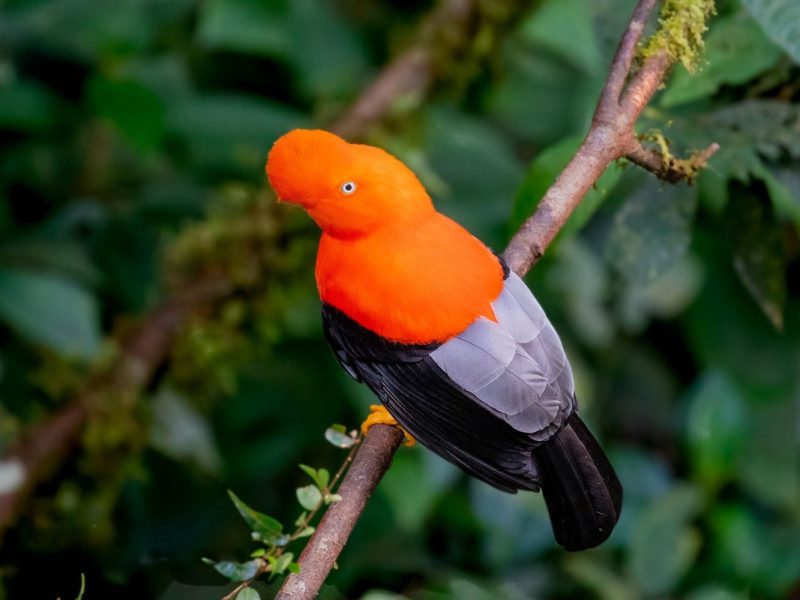
Located at 1,500 meters elevation in the midsection of Manu Road, San Pedro offers one of the most iconic wildlife displays in South America—the vibrant Andean Cock-of-the-Rock lek. From a strategically placed platform, visitors enjoy a close-up, eye-level view of the dazzling males performing their courtship dance to attract females—an unforgettable spectacle.
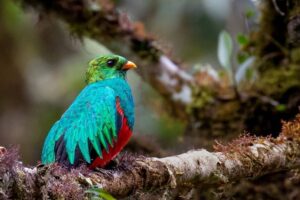
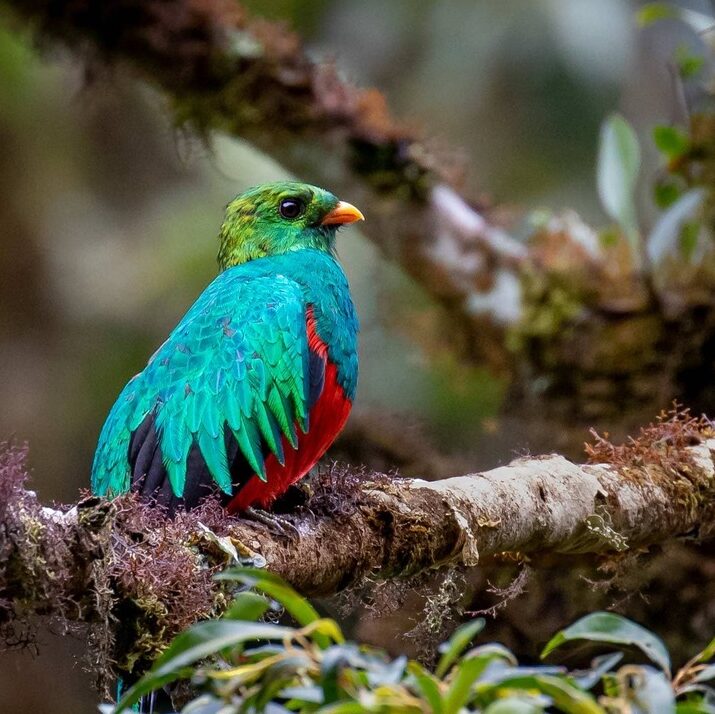
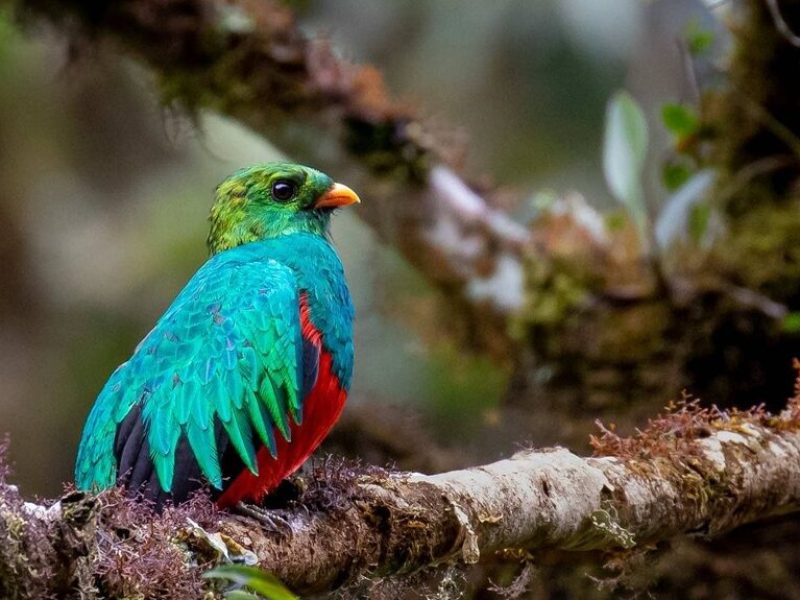
But the show doesn’t end there. This stretch of cloud forest is bursting with birdlife and mammals. Among the avian highlights are Brown Tinamou, Rufous-breasted Woodquail, Rufescent Screech-Owl, Buff-thighed Puffleg, Rufous-booted Racket-tail (E), Peruvian Piedtail (E), Violet-fronted Brilliant, Speckled Hummingbird, Blue-banded Toucanet, Highland Motmot, Blue-moustached Barbet, White-backed Fire-eye, Stripe-chested Antwren, White-crowned Tapaculo, Maroon-belted Chat-Tyrant, Fulvous-breasted Flatbill, Cinnamon-faced Tyrannulet, Crested Quetzal, Scale-crested Pygmy-Tyrant, Yellow-rumped Antwren, Yellow-breasted Warbling Antbird, Yungas Manakin, Cerulean-capped Manakin, Inca Jay, White-capped Dipper, Andean Solitaire, Olive Finch, Two-banded Warbler, Carmiol’s Tanager, and Russet-backed Oropendola—along with a brilliant variety of colorful Tanagers.
San Pedro is also notable for its primate diversity. A small, isolated population of the endangered Andean Woolly Monkey lives here, along with Shock-headed Capuchins.
Night at Cock-of-the-Rock Lodge
We will arrive in the afternoon to Manu Biolodge, formerly known as Villa Carmen. Now one of the most important biological stations in the region, this 3,000-hectare reserve sits at 500 meters above sea level, in the lush foothills of our Birding in Manu Road.
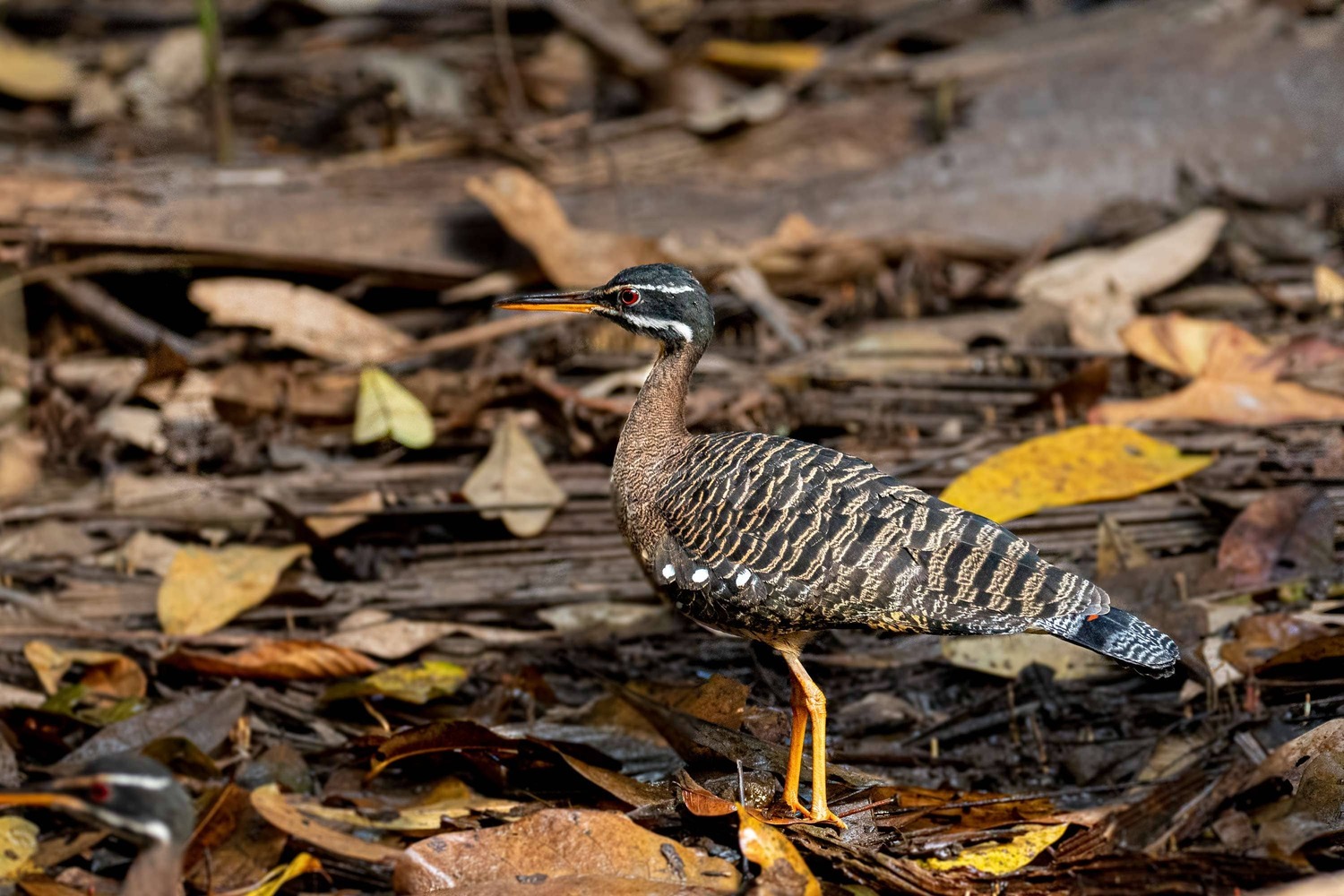
We’ll spend two full days birding across the lodge’s diverse habitats. Bamboo patches host key specialties such as Rufous-headed Woodpecker, Manu Antbird, Rufous-vented Ground-Cuckoo, White-lined Antbird, White-cheeked Tody-Flycatcher, and Bamboo Foliage-Gleaner. Trails allow access to other range-restricted species like Fine-barred Piculet, Scarlet-hooded Barbet, Foothill Antwren, Brownish-headed Antbird, and Cabanis’s Spinetail.
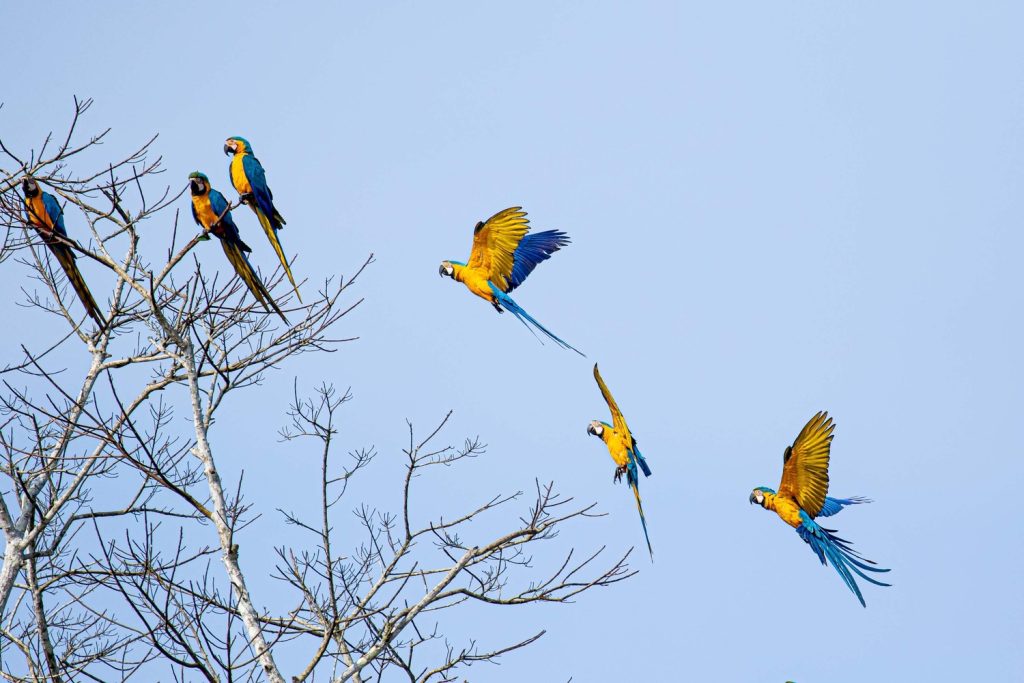
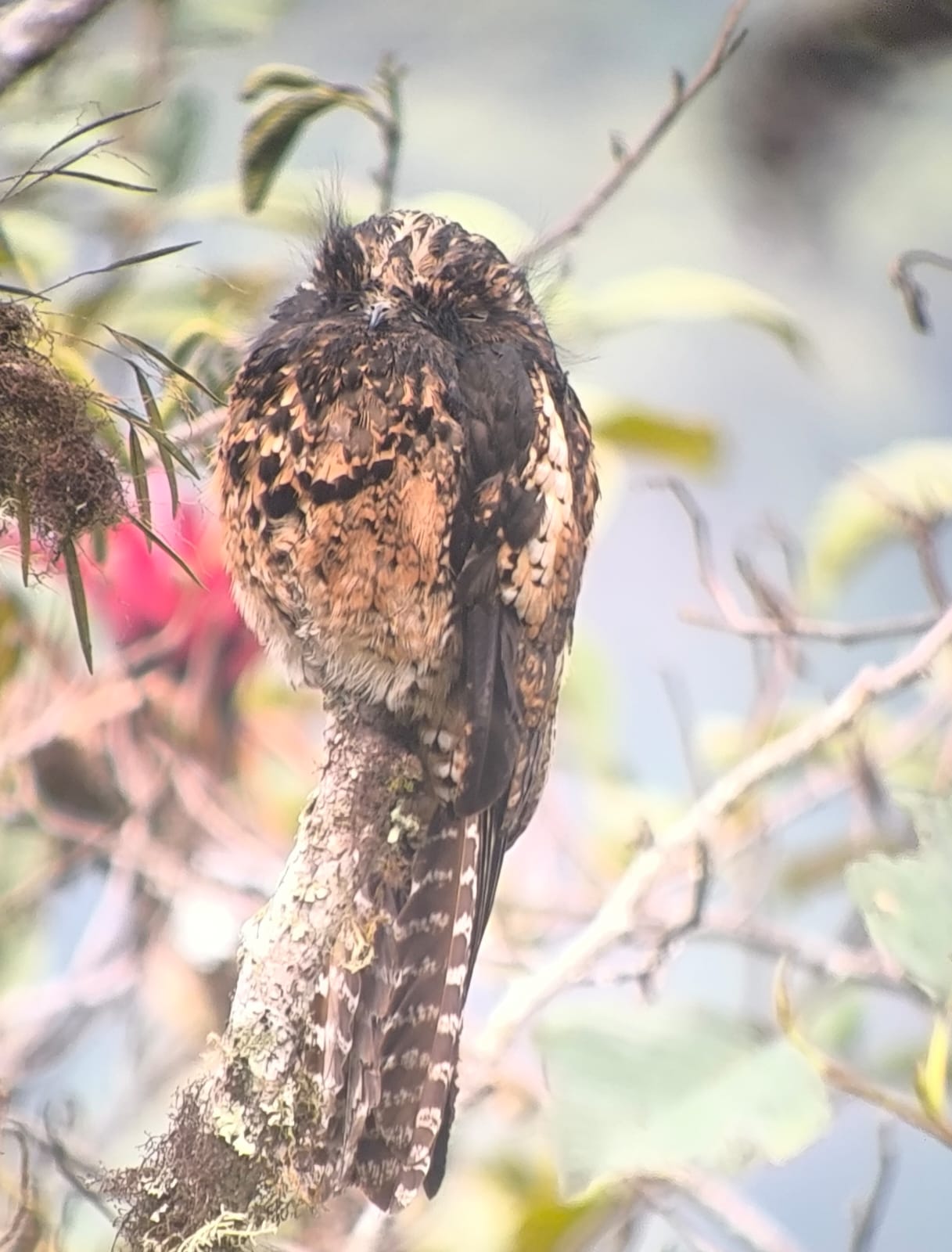
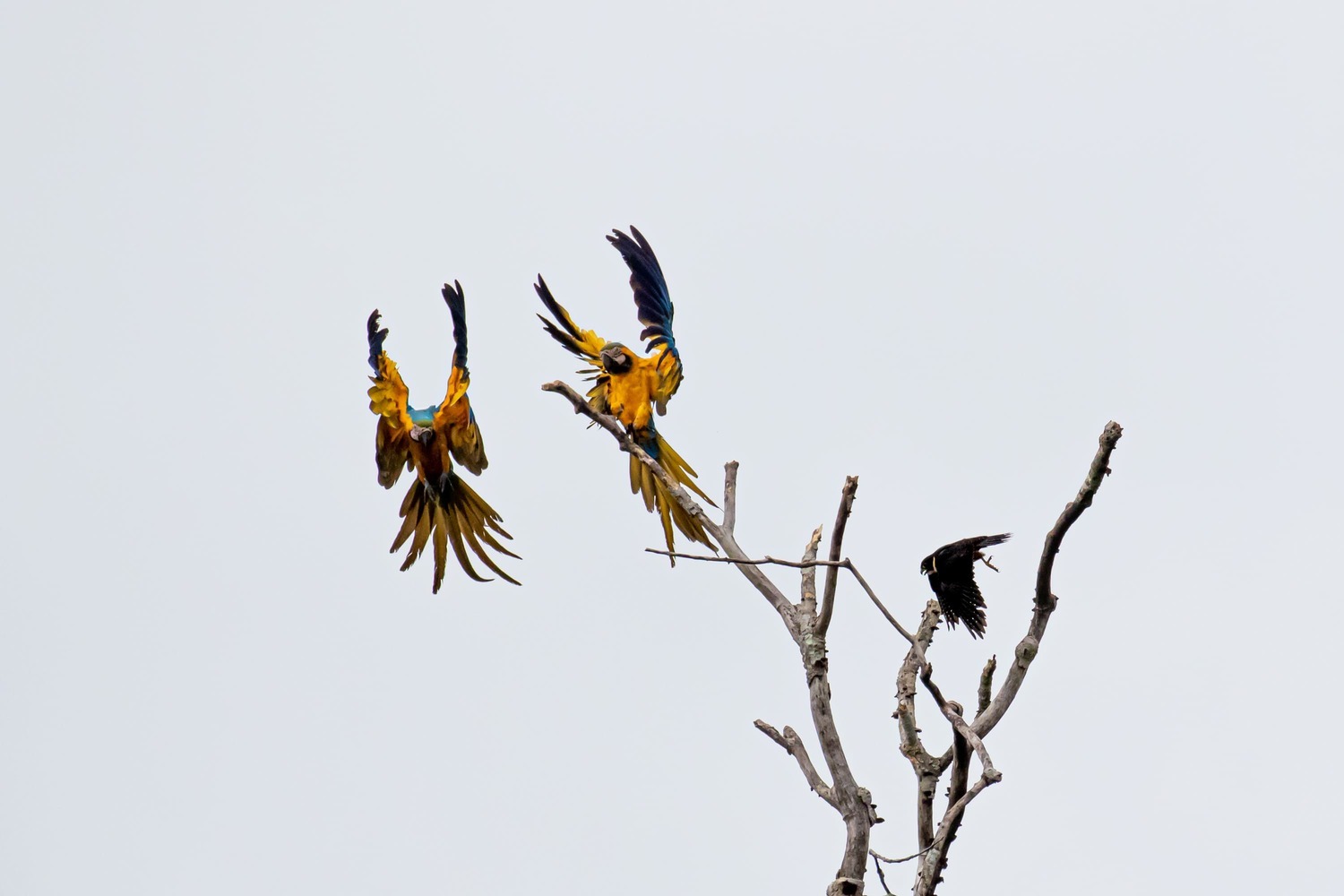
Additional highlights along the trail include White Hawk, Military Macaw, Blue-headed Macaw, Great Potoo, Lanceolated Monklet, Rufous-capped Nunlet, Yellow-billed Nunbird, Chestnut-backed Antshrike, Yellow-breasted Warbling-Antbird, Blackish Antbird, Ornate Flycatcher, Mottle-backed Elaenia, Fiery-capped Manakin, and Band-tailed Manakin.
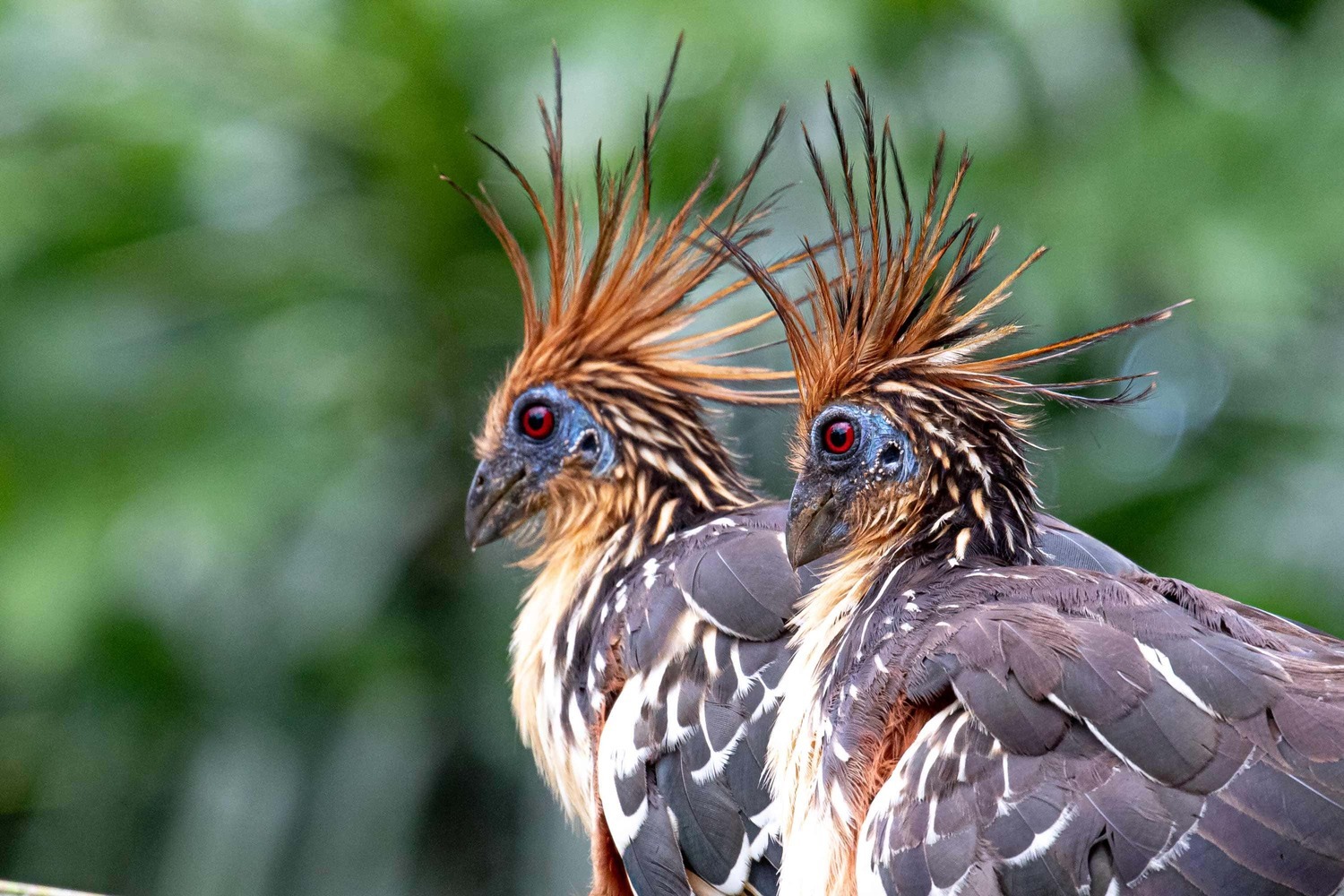
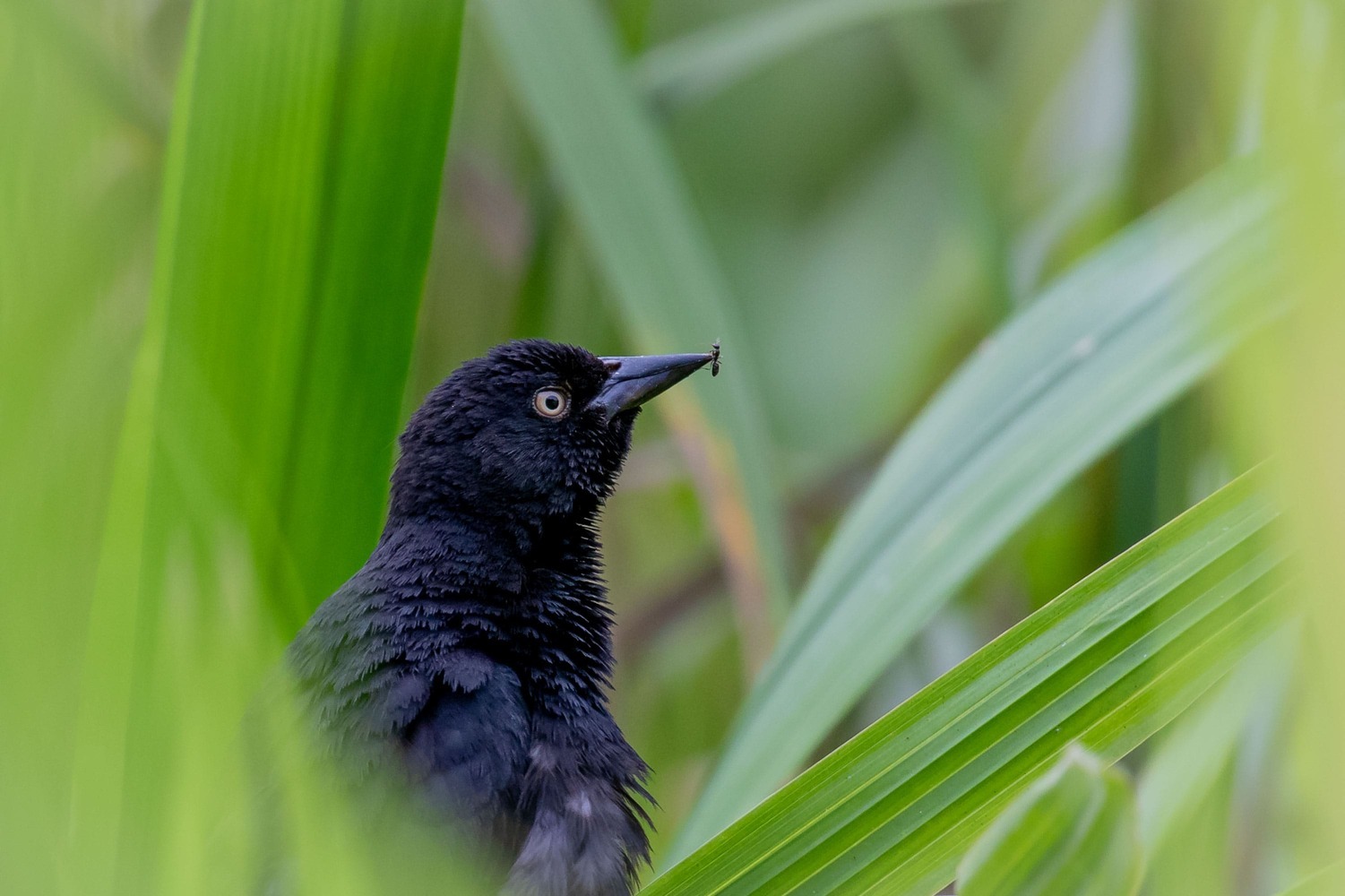
Aquatic environments around the lodge are home to Hoatzin, Gray-cowled Wood-Rail, Riparian Antbird, Ladder-tailed Nightjar, Pale-eyed Blackbird, and Black-billed Seed-Finch.
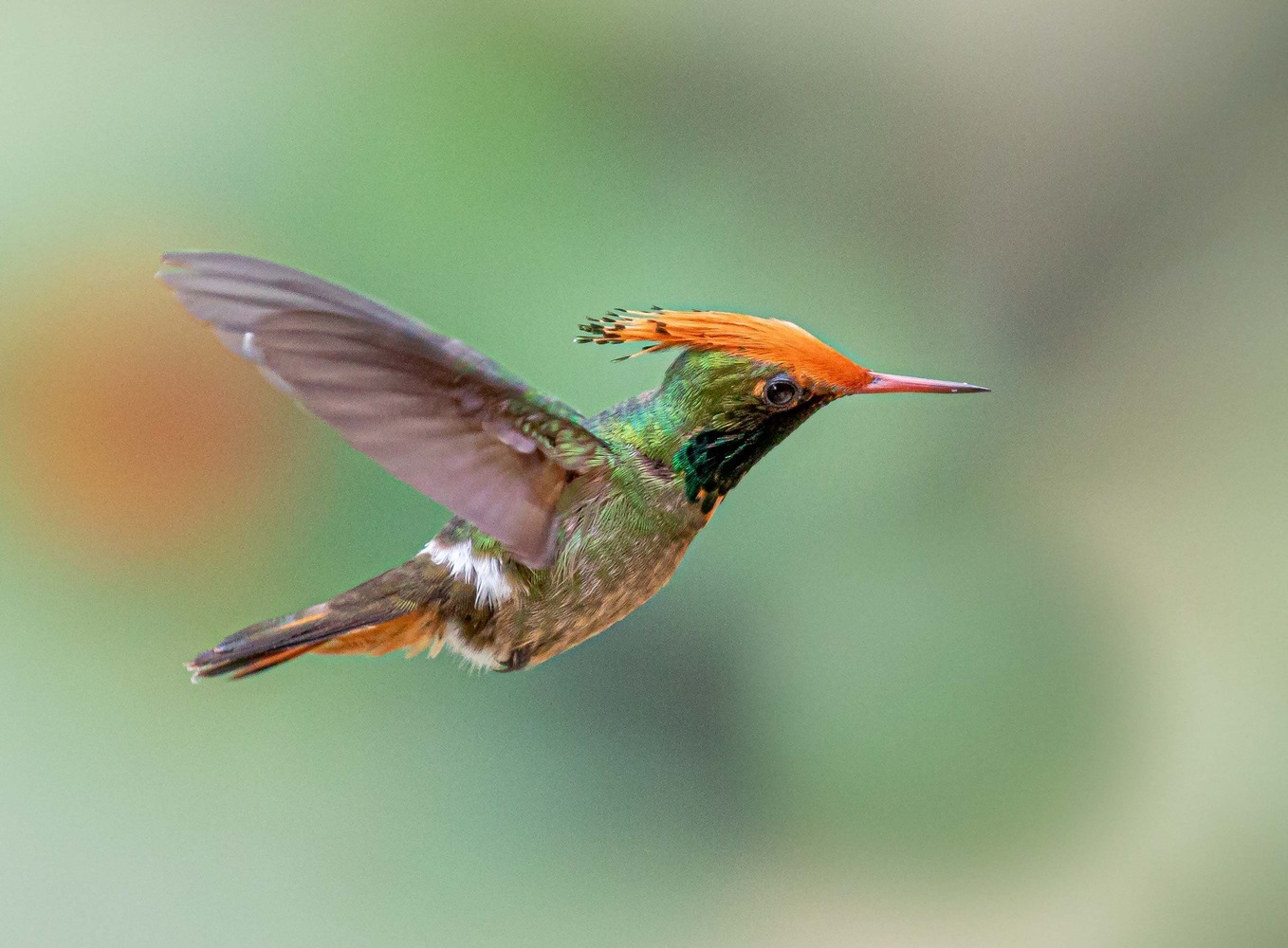
In the garden, hummingbird feeders attract White-necked Jacobin, Rufous-breasted Hermit, Black-throated Mango, Rufous-crested Coquette, Koepcke’s Hermit (E), and sometimes Amazonian Antpitta, Rufous-sided Crake, and even King Vulture.
Mammal encounters may include Night Monkey (Aotus sp.), Urubamba Titi Monkey, and Spider Monkey.
Nights are also productive, often featuring Black-banded Owl, Striped Owl, Common Potoo, and Tropical Screech-Owl near the lodge grounds.
Nights at Manu Biolodge (formerly Villa Carmen).
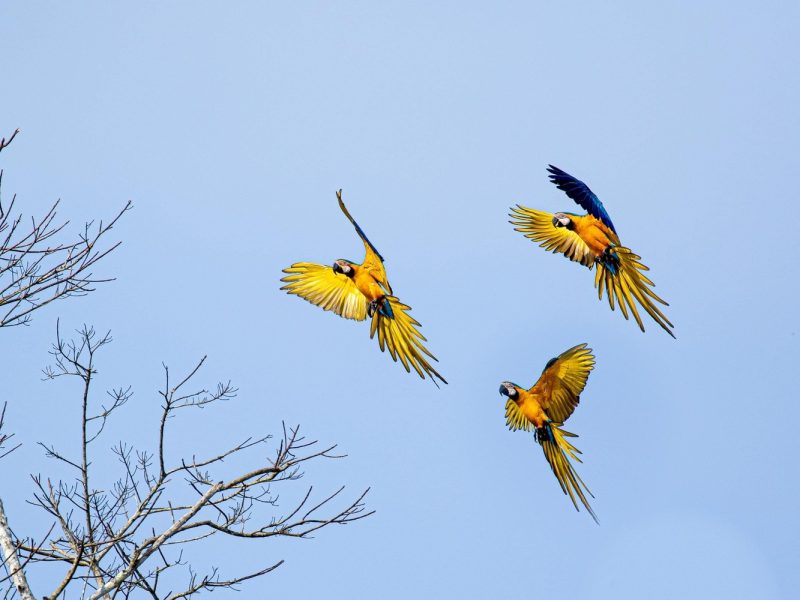
We will spend our final morning birding around Manu Biolodge (Villa Carmen), where species such as Black-capped, Little, and Undulated Tinamou, as well as the elusive Amazonian Antpitta, regularly visit the feeders near the lodge. Other highlights include White Hawk, Blue-headed and Military Macaw, Rufous-capped Nunlet, White-lined and Sooty Antbird, Bamboo Antshrike, Foothill Antwren, Johanne’s Tody-Flycatcher, Mottle-backed Elaenia, Black-backed Tody-Flycatcher (E), Rusty-belted Tapaculo, and Cuzco Warbler, among many others.
Later, we begin our return journey toward the highlands, making strategic stops along the road for key species we may have missed or wish to see better. These include Urubamba Antpitta (E), Cerulean-capped Manakin (E), Yungas Manakin, Crimson-crested Woodpecker, White-backed Fire-eye, Slaty Gnateater, Buff-tailed Sicklebill, Inca Flycatcher (E), Ochraceous-breasted Flycatcher, Black-throated Tody-Tyrant, Golden-headed and Crested Quetzal, and White-collared Jay.
Overnight at Wayquecha Lodge.
After an early breakfast and a final morning of birding on the trails, we will begin our journey back up the Andes toward Cusco. Along the way, we’ll make targeted stops to look for highland specialties we may have missed earlier in the trip.
Key targets include Superciliaried (Urubamba) Hemispingus (E), Pale-legged Warbler, Black-faced Brush-Finch, Dusky-green Oropendola, and Mountain Cacique.
We aim to arrive in Cusco by mid-afternoon. You will then be transferred to your hotel or the airport, depending on your travel plans.
END OF SERVICES
📏 What elevations do we cover on Manu Road?
We experience a major altitudinal gradient in a short distance:
🌬️ This gradual descent helps with acclimatization while maximizing species diversity.
🚐 How long are the drives and what are road conditions like?
The main drive is from Cusco to Wayqecha Lodge (~5 hours), including birding stops.
Manu Road is:
⏱️ Travel times are flexible since we stop frequently for birding.
🐾 What is the type of birding and physical effort required?
Birding is done at a relaxed, flexible pace:
⏱️ Walks typically last 2–4 hours with frequent stops.
⚠️ Terrain may include:
👟 No strenuous trekking is required, but good stability is important.
🏨 What is the level of comfort in lodges?
We stay in well-established birding lodges along the route:
They offer:
⚠️ Note: These are remote lodges — comfort is good, but not luxury.
🎒 What should I pack specifically for Manu Road?
Recommended for daily excursions:
🎯 You’ll usually be close to the vehicle, so no need for heavy gear. See more about What to pack for a birding tour in Peru.
🌧️ What weather conditions should I expect?
Expect variable cloud forest weather 🌦️:
Waterproof gear is essential.
Manu Road is widely regarded as one of the most biodiverse birding routes on Earth.
In a single continuous route, we pass through multiple ecosystems, each with its own bird communities.
🎯 Highlights include:
🐻 There is also a chance to encounter mammals such as monkeys and even the Spectacled Bear.
🐦 What makes bird diversity here so exceptional?
The key is the elevation gradient.
As we descend, species composition changes dramatically, allowing us to observe a huge variety of birds in a relatively short time.
🎯 Few places in the world offer this level of diversity with such accessibility.
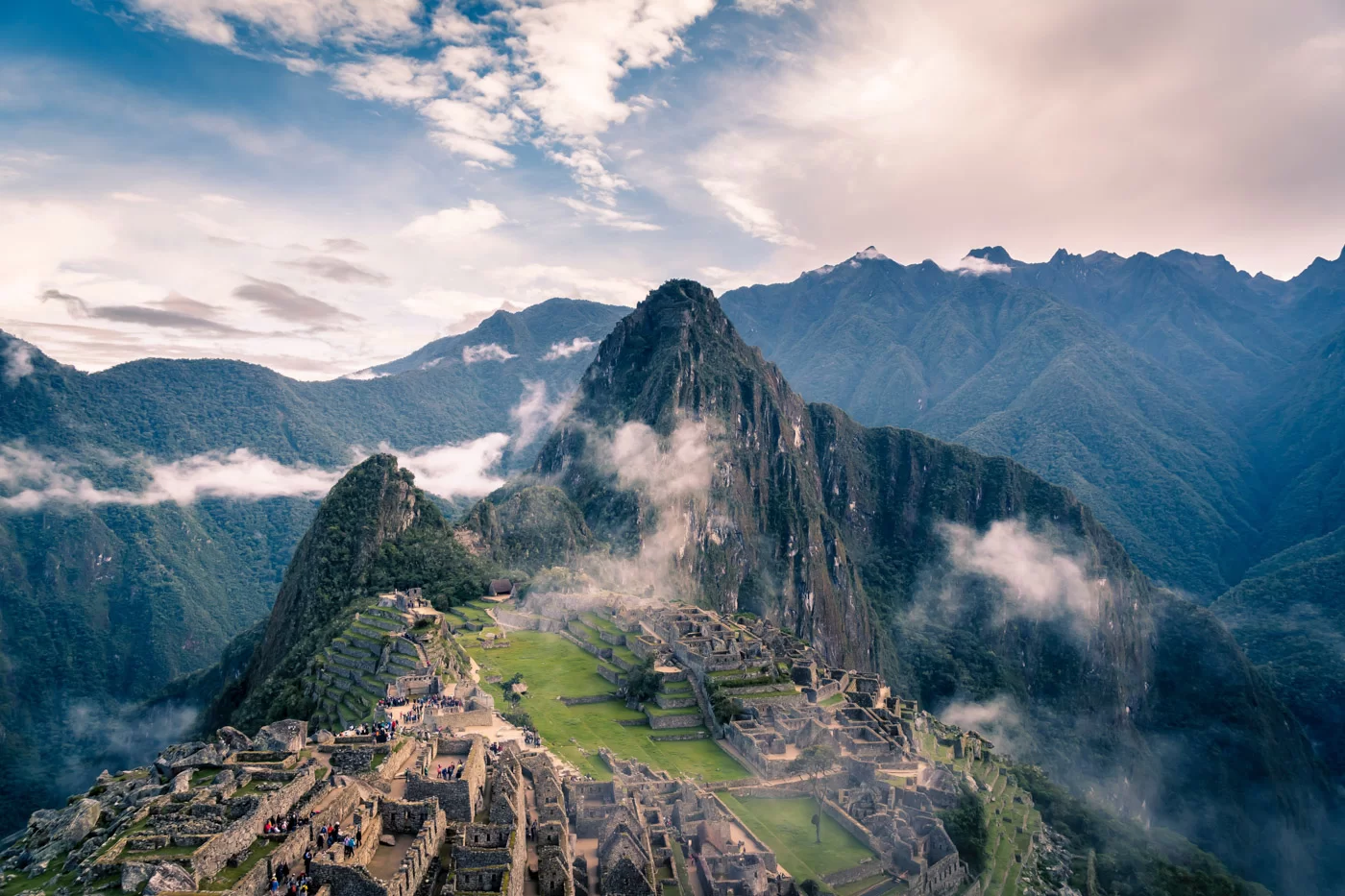
The most most outstanding aspects of Peru in a week. Including accesible birding in remote areas, impressive Inca monuments like Machupicchu and Manu Park counted as the most biodiverse place on earth. Representing the essence of the country.
Culture and Nature !!

The most most outstanding aspects of Peru in a week. Including accesible birding in remote areas, impressive Inca monuments like Machupicchu and Manu Park counted as the most biodiverse place on earth. Representing the essence of the country.